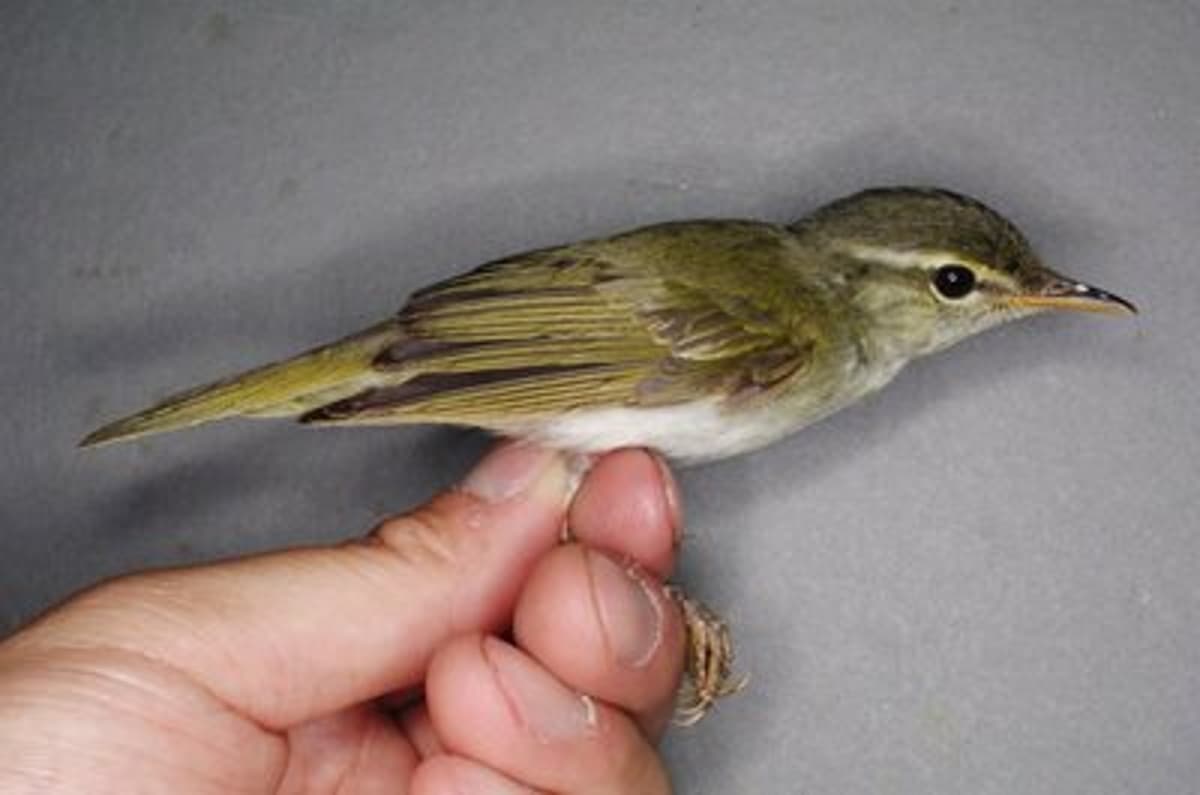
Japan Gets 1st New Bird Species in 45 Years After Taxonomic Split
Why It Matters
The split underscores hidden biodiversity in well‑studied regions, prompting urgent conservation action and reshaping Japan's avian taxonomy. It also signals that other overlooked species may exist, influencing research funding and policy.
Key Takeaways
- •Tokara leaf warbler split from Ijima’s leaf warbler after genetic study
- •Divergence estimated at 2.8–3.2 million years ago
- •Species inhabits Tokara Islands, faces extinction from habitat loss
- •Discovery highlights hidden biodiversity and urgent conservation needs in Japan
Pulse Analysis
The identification of the Tokara leaf warbler illustrates how modern genetic techniques are redefining species boundaries worldwide. While the birds look identical to the Ijima’s leaf warbler, DNA sequencing uncovered a lineage that diverged nearly three million years ago, a timeline that would have been impossible to detect through morphology alone. Such cryptic speciation events are increasingly common as researchers apply next‑generation sequencing to historic taxa, prompting a reassessment of biodiversity estimates and conservation priorities across temperate and tropical regions.
In Japan, the new species faces an immediate extinction risk despite its seemingly stable numbers on Nakanoshima. Habitat degradation from pine‑wilt disease has thinned the forest canopy, while feral goats graze the bamboo understory essential for nesting. The warbler’s limited range—confined to a handful of islands—means any further environmental shock could be catastrophic. Conservation agencies are now urged to implement targeted habitat restoration, invasive‑species control, and monitoring programs, leveraging the species’ flagship status to attract funding and public support for broader ecosystem protection.
Beyond Japan, the discovery fuels a broader conversation about hidden biodiversity in even well‑documented ecosystems. It encourages governments and NGOs to invest in comprehensive acoustic monitoring and genetic surveys, tools that can reveal overlooked species before they vanish. For the scientific community, the Tokara leaf warbler serves as a case study in the importance of integrating molecular data with traditional field observations. For policymakers, it highlights the need for adaptive management frameworks that can quickly respond to new taxonomic insights, ensuring that legal protections keep pace with scientific breakthroughs.
Japan gets 1st new bird species in 45 years after taxonomic split
Comments
Want to join the conversation?
Loading comments...