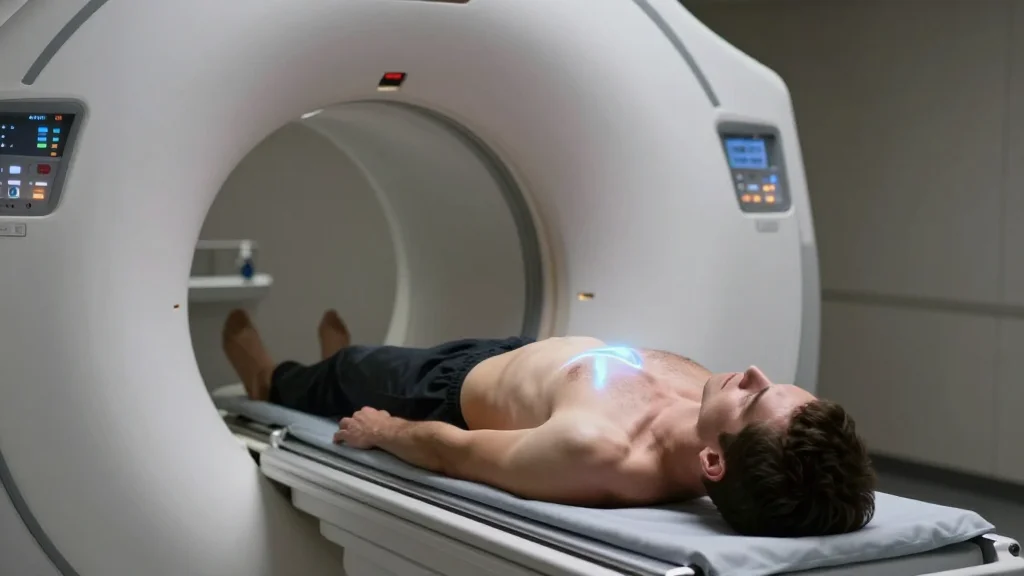
Just Two Radiotherapy Sessions Over Eight Days Effectively Treat Prostate Cancer Without Additional Side Effects
Why It Matters
The study could reshape prostate‑cancer radiotherapy by cutting treatment time without compromising outcomes, delivering cost and convenience benefits to patients and providers alike.
Key Takeaways
- •Two MRI‑guided radiotherapy sessions match five‑session outcomes
- •Side‑effect rates identical across both treatment arms
- •Patient quality of life unchanged after two‑year follow‑up
- •Shorter regimen frees machine time, boosting hospital throughput
- •Limited MRI‑guided equipment may delay widespread adoption
Pulse Analysis
Prostate cancer remains one of the most common malignancies among men in the United States, and external‑beam radiotherapy is a cornerstone of curative treatment. Traditionally, clinicians deliver the total dose over five fractions spread across two weeks, a schedule designed to balance tumor control with protection of the bladder and rectum. While effective, the regimen imposes logistical burdens—daily travel, time off work, and repeated exposure to clinical environments—that can strain patients and healthcare resources alike. Streamlining this process without sacrificing efficacy has therefore been a long‑standing goal of radiation oncology.
The HERMES trial, presented at ESTRO 2026, directly compared a condensed two‑fraction protocol against the standard five‑fraction approach in 46 men with localized disease. Using state‑of‑the‑art MRI‑guided radiotherapy, investigators delivered the same total dose in two larger fractions over eight days, leveraging real‑time imaging to maintain sub‑millimeter accuracy and spare adjacent organs. At two‑year follow‑up, biochemical control, urinary and bowel toxicity, and patient‑reported quality‑of‑life scores were statistically indistinguishable between groups, demonstrating that higher per‑fraction doses can be safely administered when guided by precise imaging.
The clinical implications are immediate. Patients benefit from a dramatically shortened treatment course, reducing travel costs, time away from work, and psychological stress, which may improve adherence and overall satisfaction. For hospitals, each patient consumes fewer machine slots, allowing higher throughput and potentially lowering per‑treatment costs—a critical advantage as demand for radiotherapy climbs worldwide. However, the prerequisite of MRI‑guided platforms limits rapid rollout; only a fraction of centers currently possess the technology. Continued investment in hybrid linac systems and larger multicenter trials will be essential to translate this breakthrough into a new standard of care.
Just Two Radiotherapy Sessions Over Eight Days Effectively Treat Prostate Cancer Without Additional Side Effects
Comments
Want to join the conversation?
Loading comments...