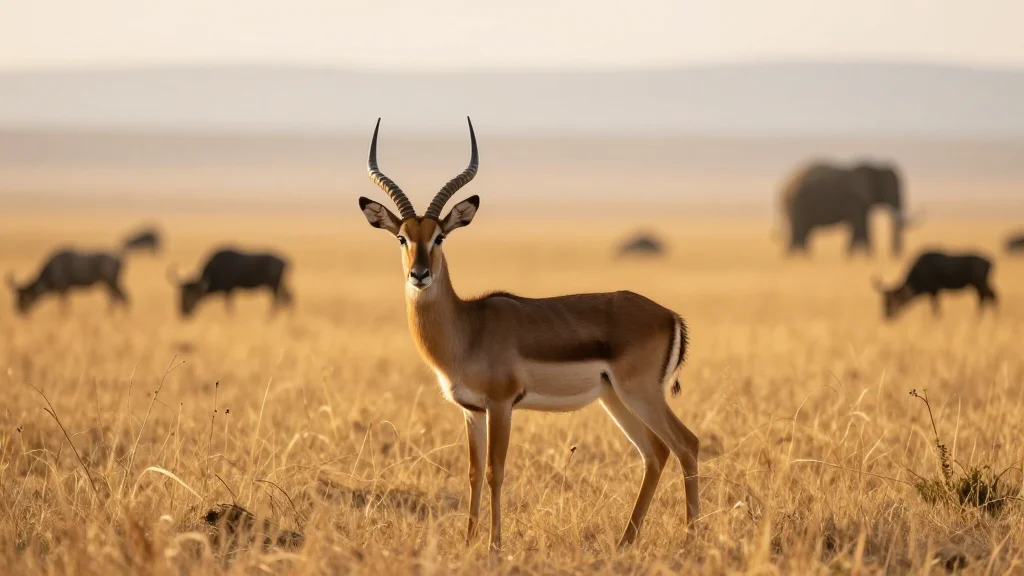
Kenya Wildlife Census: Wildebeest and Buffalo Numbers Plunge in New Report
Why It Matters
The steep population losses threaten Kenya’s biodiversity, tourism revenue, and ecosystem services, while the modest gains highlight the impact of focused conservation investments.
Key Takeaways
- •Buffalo numbers fell 31% from 2023 to 2025.
- •Wildebeest dropped 41% over the same period.
- •Elephant population grew 16% despite overall declines.
- •2022 drought and anthrax drove massive buffalo mortality.
- •Conservation breeding and translocation boosted rhinos, giraffes, ostriches.
Pulse Analysis
Kenya’s wildlife census underscores a stark bifurcation in its rangeland ecosystems. While iconic grazers such as buffalo and wildebeest have slumped by more than a third in just two years, the drivers are clear: expanding agricultural frontiers, persistent bushmeat demand, and the lingering effects of the 2022 drought that crippled water sources and forced animals into human settlements. Disease outbreaks, notably anthrax, compounded the stress on already weakened herds, amplifying mortality rates and raising alarms about climate‑driven vulnerability across the savanna.
Against this backdrop, a handful of species have bucked the trend, illustrating the power of targeted interventions. Elephant numbers rose 16% as anti‑poaching patrols intensified and community‑based monitoring improved calf survival. Rhino, giraffe, and ostrich populations also surged, driven by breeding programs, strategic translocations, and habitat restoration that enhanced forage quality and reduced human‑wildlife conflict. These successes demonstrate that well‑funded, science‑led conservation can generate measurable rebounds even in a climate‑stressed landscape.
The broader implications extend beyond ecology. Kenya’s wildlife is a cornerstone of its tourism economy, contributing billions of dollars annually. Continued declines risk eroding visitor confidence and foreign exchange earnings, while the gains offer a template for scaling investment in water infrastructure, disease surveillance, and climate‑adaptive management. Policymakers must balance development pressures with sustained funding for protected areas, ensuring that Kenya’s iconic megafauna remain a resilient asset for both biodiversity and the nation’s prosperity.
Kenya wildlife census: Wildebeest and Buffalo numbers plunge in new report
Comments
Want to join the conversation?
Loading comments...