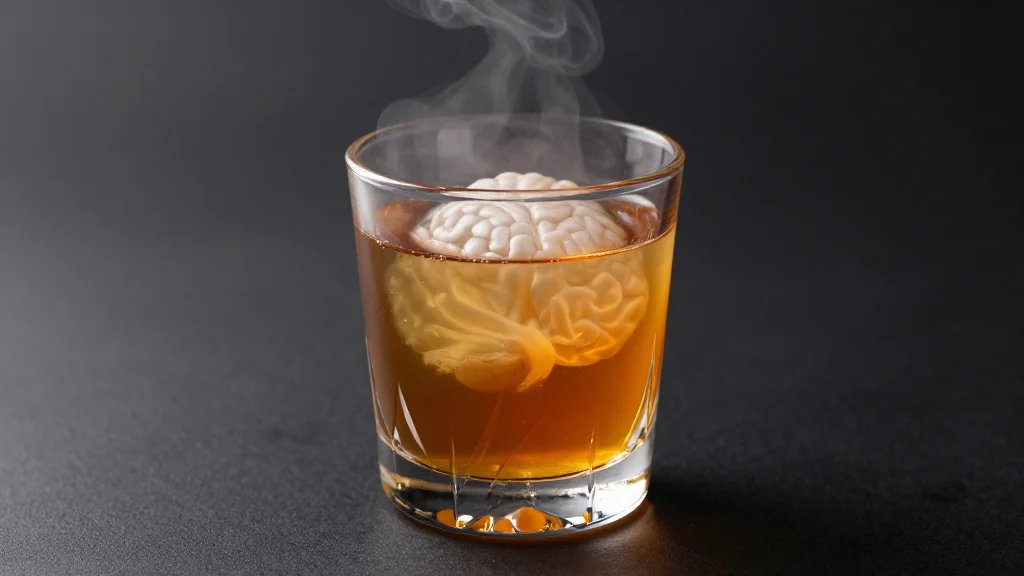
Ketone Esters Show Promise as a New Treatment for Alcohol Use Disorder
Why It Matters
If ketone esters can safely alleviate withdrawal‑related cravings, they offer a non‑addictive metabolic therapy for AUD, a condition with limited effective pharmacotherapies.
Key Takeaways
- •Single 395 mg/kg ketone ester dose reduced brain glucose use by 17%.
- •AUD participants reported significant drop in craving after ketone ester intake.
- •Brain β‑hydroxybutyrate levels tripled in cingulate cortex post‑dose.
- •Study used crossover PET design with double‑blind MRS for AUD group.
- •Small sample size limits generalizability; larger trials required.
Pulse Analysis
Alcohol use disorder remains a leading cause of preventable morbidity, yet pharmacologic options are few and often carry abuse potential. Recent research highlights the brain’s reliance on acetate—a by‑product of ethanol metabolism—as a primary fuel during heavy drinking. When consumption stops, the sudden loss of acetate creates an energy shortfall that fuels withdrawal symptoms and intense cravings. Ketone esters, which deliver β‑hydroxybutyrate directly into the bloodstream, mimic acetate’s metabolic role without requiring fasting or a strict ketogenic diet, offering a rapid, non‑addictive way to bridge that energy gap.
In the small but rigorously designed study, ten participants (five with AUD, five healthy) received a single oral dose of 395 mg/kg ketone ester before undergoing PET imaging. The crossover format ensured each subject served as their own control, while the AUD cohort also experienced double‑blind MRS to quantify brain ketone concentrations. Results showed a 17% drop in cerebral glucose metabolism and a three‑fold increase in β‑hydroxybutyrate within the cingulate cortex, a region linked to craving and emotional regulation. Correspondingly, self‑reported craving scores fell markedly among the AUD participants, suggesting a direct behavioral benefit tied to the metabolic shift.
If replicated in larger, multi‑site trials, these findings could reshape AUD treatment paradigms by introducing a metabolic adjunct that targets the neurochemical basis of craving rather than dopamine pathways alone. Pharmaceutical companies may explore proprietary ketone ester formulations, while clinicians could eventually prescribe them alongside existing counseling and medication strategies. Challenges remain, including the unpleasant taste of current esters and the need to confirm long‑term safety, but the study opens a promising avenue for a condition that has long resisted effective, low‑risk interventions.
Ketone esters show promise as a new treatment for alcohol use disorder
Comments
Want to join the conversation?
Loading comments...