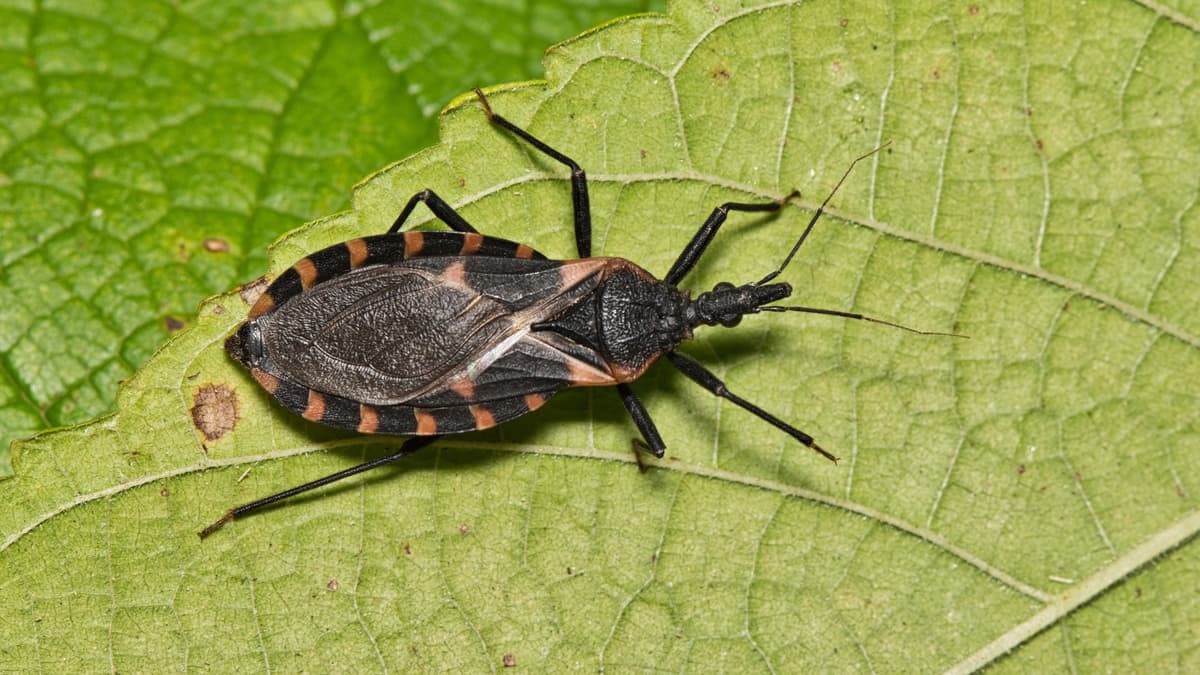
‘Kissing Bugs’ Bite Can Cause Heart Disease. Here’s What Hikers Need to Know.
Why It Matters
Chagas disease remains a neglected tropical illness that can lead to irreversible cardiac damage, posing a hidden public‑health threat to outdoor enthusiasts and residents in expanding bug habitats. Early awareness and testing are essential to prevent long‑term morbidity.
Key Takeaways
- •Kissing bugs found in 29 U.S. states, especially Florida and Texas.
- •About 50% of U.S. kissing bugs carry Trypanosoma cruzi.
- •Bites are painless; infection spreads via bug feces contacting skin or mucous.
- •Chagas disease can cause chronic heart problems decades after infection.
- •Hikers should capture bugs safely and send to Texas A&M for testing.
Pulse Analysis
Kissing bugs, also called triatomine insects, have long been associated with Chagas disease in Latin America, but recent surveillance shows they are now present in 29 U.S. states, from the deep South to the Southwest and even scattered reports in the Midwest. Researchers at the University of Florida and Texas A&M have identified the bugs’ distinctive dark bodies with orange margins, noting that roughly half of the specimens tested harbor Trypanosoma cruzi. Their nocturnal feeding habits and tendency to defecate near the bite site create a unique transmission pathway that differs from ticks or mosquitoes, making detection challenging for the casual outdoor enthusiast.
The health implications are significant. While acute infection often mimics a mild flu, the parasite can linger undetected for years, eventually damaging the heart’s electrical system and muscle tissue. Chronic Chagas disease may manifest as arrhythmias, heart failure, or megacolon, conditions that are difficult to reverse once established. Immunocompromised individuals and dogs are especially vulnerable, with canine cases frequently presenting cardiac symptoms. For hikers, the risk spikes during late spring and early summer when bugs are most active, and when people sleep in tents, cabins, or trailers where the insects can enter unnoticed.
Prevention hinges on awareness and proper handling. Hikers should inspect sleeping areas for the bugs’ characteristic shape, avoid direct contact, and use a plastic bag or container to capture any specimens. Freezing the bug kills it before mailing it to Texas A&M’s Kissing Bug Community Science Program, which has logged over 10,000 submissions since 2013. Prompt medical consultation and testing after potential exposure can catch infection early, allowing treatment before irreversible cardiac damage occurs. By integrating bug identification into routine campsite checks, outdoor communities can help curb the spread of this silent but serious disease.
‘Kissing Bugs’ Bite Can Cause Heart Disease. Here’s What Hikers Need to Know.
Comments
Want to join the conversation?
Loading comments...