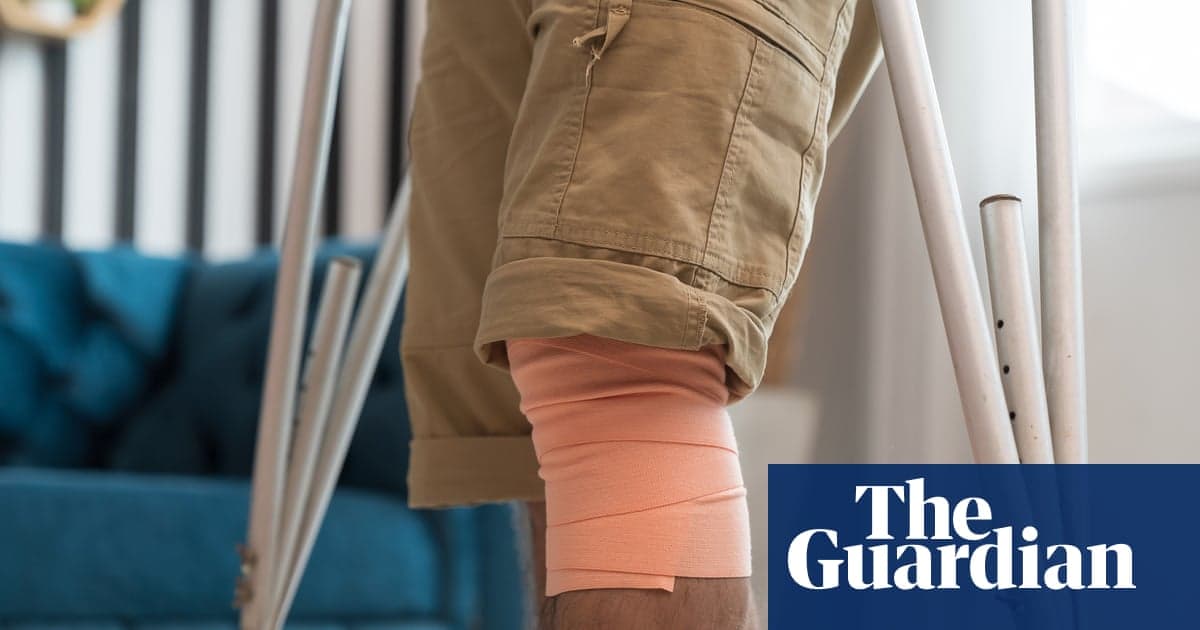
Knee Surgery for Cartilage Damage Does Not Benefit Patients, Study Suggests
Why It Matters
The study challenges the routine use of meniscectomy, prompting clinicians to reconsider costly surgical interventions that may harm patients and strain healthcare resources. It underscores the need for evidence‑based treatment pathways in orthopaedics.
Key Takeaways
- •Meniscectomy showed worse knee function after 10 years
- •Sham surgery patients had lower osteoarthritis progression
- •Guidelines now favor physiotherapy before surgery
- •Some patients with mechanical catching may still benefit
Pulse Analysis
The Finnish trial, involving 146 adults aged 35 to 65, compared partial meniscectomy with a sham procedure over a decade. By randomizing patients and using rigorous functional, pain, and imaging metrics, researchers demonstrated that the surgery not only failed to improve outcomes but also accelerated joint degeneration. This aligns with a growing body of evidence labeling meniscectomy as a potential medical reversal, where a once‑standard therapy is shown to be ineffective or harmful when scrutinized through long‑term data.
Clinicians are now grappling with how quickly to translate these findings into practice. Orthopaedic societies such as the AAOS and BASK have begun revising guidelines, extending the observation period before recommending surgery and emphasizing structured physiotherapy programs. The shift promises to reduce unnecessary procedures, lower healthcare costs, and spare patients from post‑operative complications. However, the transition is uneven, with some surgeons still endorsing the operation, highlighting the inertia often present in medical culture.
Future research will likely focus on identifying the small patient cohort that truly benefits from meniscectomy—those experiencing a mechanical catching sensation that impedes daily activities. Advanced imaging, biomechanical testing, and personalized risk models could refine selection criteria, ensuring surgery is reserved for cases where the functional gain outweighs the long‑term joint wear. This nuanced approach reflects a broader trend toward value‑based orthopaedic care, where interventions are justified by robust outcomes rather than tradition.
Knee surgery for cartilage damage does not benefit patients, study suggests
Comments
Want to join the conversation?
Loading comments...