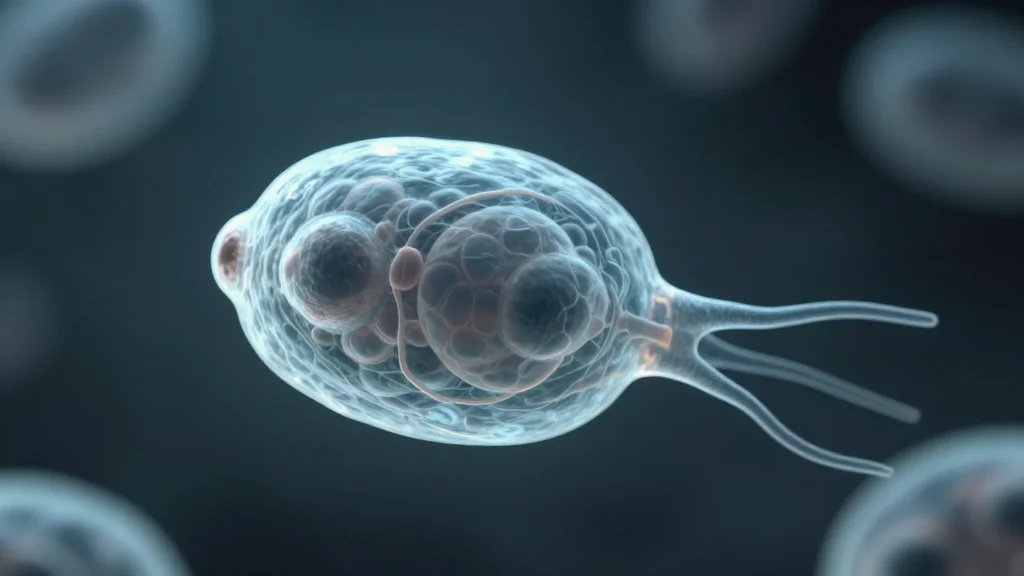
Kyoto University Finds Living Relatives of 700‑Million‑Year‑Old Single‑Cell Ancestors in Human Blood

Why It Matters
The discovery bridges a gap between paleobiology and modern immunology, showing that the cellular machinery of today’s immune system is a direct descendant of organisms that pre‑date multicellular life. This continuity challenges the view that complex immune functions emerged solely with vertebrates, suggesting instead that foundational mechanisms were co‑opted and refined over eons. For clinicians, recognizing that ancient genetic pathways remain active could explain why certain immune responses are remarkably conserved across species, offering a new framework for interpreting disease mechanisms and therapeutic responses. Moreover, the work underscores the value of comparative genomics in uncovering hidden aspects of human biology. By tracing the lineage of blood cells back to single‑celled ancestors, scientists gain a powerful evolutionary context that can inform the design of next‑generation immunotherapies, vaccines, and diagnostic tools that align with the deep‑rooted biology of the human immune system.
Key Takeaways
- •Kyoto University researchers mapped a 700‑million‑year evolutionary tree of blood cells
- •Macrophages show the strongest genetic similarity to ancient unicellular ancestors
- •The gene FOS links modern blood cells to a 700‑million‑year‑old organism
- •Findings suggest modern immunity reuses genetic material from early eukaryotes
- •Future work will test whether ancient gene signatures affect disease susceptibility
Pulse Analysis
The Kyoto University study arrives at a moment when evolutionary genomics is reshaping biomedical research. By demonstrating that core immune cells retain molecular fingerprints from the dawn of eukaryotic life, the work provides a rare example of a ‘living fossil’ at the cellular level. Historically, evolutionary biology has focused on morphological fossils; this research flips the script, using transcriptomic data to reveal functional continuity.
From a market perspective, the findings could stimulate interest in biotech firms that specialize in evolutionary drug discovery. Companies that mine ancient pathways for novel therapeutics may find a compelling scientific justification for their pipelines, potentially attracting new investment. Additionally, the study may influence how pharmaceutical R&D prioritizes targets: pathways that have survived 700 million years of natural selection are likely to be robust and less prone to off‑target effects, a valuable trait for drug development.
Looking ahead, the integration of deep‑time evolutionary insights with clinical research could spawn a new subfield—"evolutionary immunomedicine"—where patient stratification incorporates ancestral gene variants. If subsequent studies confirm that variations in these ancient signatures correlate with disease outcomes, clinicians might soon use evolutionary markers alongside genetic tests to personalize treatments. The Kyoto team's work thus not only rewrites a chapter of evolutionary history but also sets the stage for a paradigm shift in how we understand and manipulate the human immune system.
Kyoto University Finds Living Relatives of 700‑Million‑Year‑Old Single‑Cell Ancestors in Human Blood
Comments
Want to join the conversation?
Loading comments...