Why It Matters
Early left‑hemisphere dominance provides a baseline for diagnosing language‑related developmental disorders and informs strategies for rehabilitation after childhood brain injury.
Key Takeaways
- •MIT fMRI study of 4‑16 year olds shows left‑hemisphere dominance from age 4
- •Language network integration strengthens and activation rises through adolescence, maturing around 16
- •Bilateral language processing in autism/dyslexia reflects disorder mechanisms, not delayed maturation
- •Early left‑hemisphere lateralization challenges belief that right‑hemisphere compensates after childhood injury
- •Researchers aim to map language precursors before age 4 to refine models
Pulse Analysis
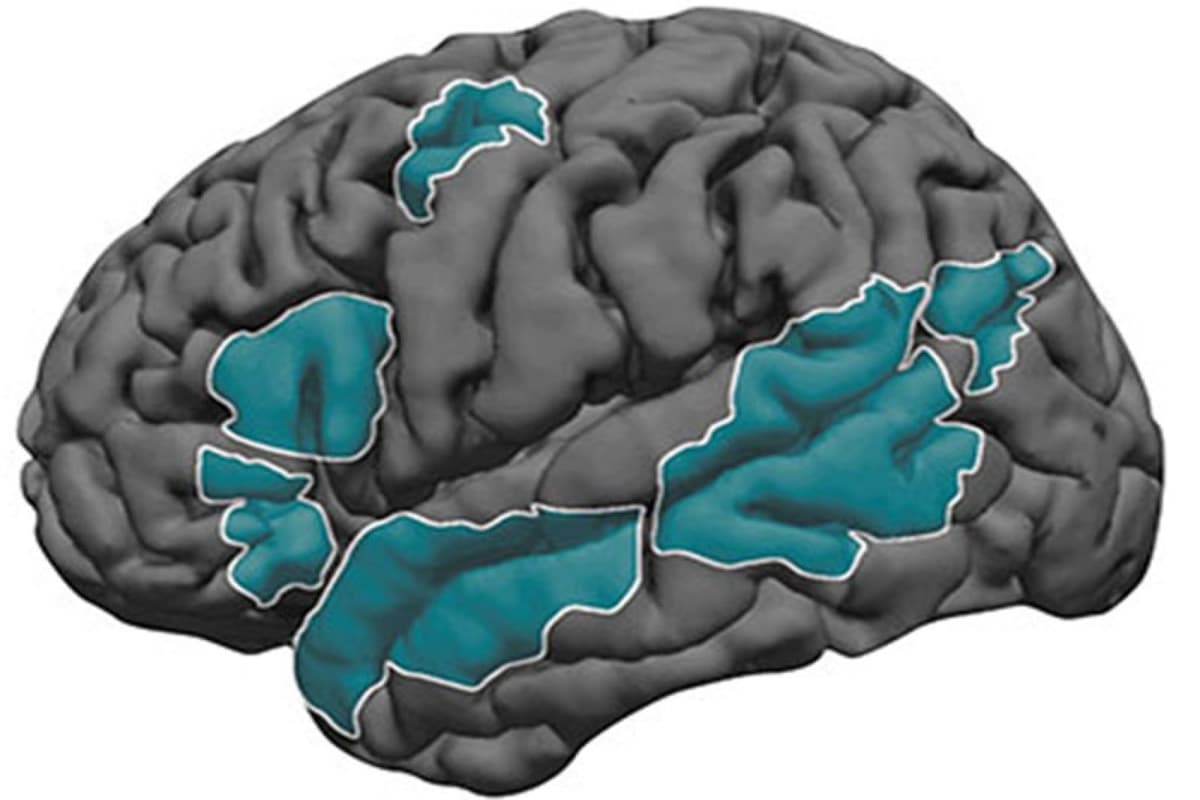
The MIT investigation, published in Nature Communications, leveraged functional MRI data from hundreds of children to map the language‑processing network across development. By employing a "language localizer" task—listening to age‑appropriate stories—the researchers could isolate regions uniquely responsive to linguistic input. Their analysis revealed that even the youngest participants, at four years old, exhibited a pronounced left‑hemisphere bias, a pattern previously assumed to emerge only later. This early lateralization suggests that the brain’s language architecture is hard‑wired much earlier than traditional models propose.
Understanding that typical language lateralization is established by age four has direct implications for developmental disorders such as autism spectrum disorder and dyslexia, where neuroimaging often shows increased right‑hemisphere involvement. The study argues that such bilateral activation is not simply a delay in maturation but likely reflects disorder‑specific neural adaptations. Clinicians can therefore use left‑hemisphere dominance as a normative benchmark, improving early detection and tailoring interventions that target atypical network integration rather than assuming a delayed developmental trajectory.
The findings also challenge long‑standing ideas about post‑injury plasticity. While early left‑hemisphere damage can sometimes be compensated by the right side, the MIT data demonstrate that this compensation occurs despite an already lateralized system, indicating a remarkable flexibility in the developing brain. Future research aims to chart language‑related activity before age four, potentially uncovering the precursors that set the stage for lateralization. Such insights could refine therapeutic approaches for children with early brain injuries and inform educational strategies that align with the brain’s natural language development timeline.
Language development in the brain
Comments
Want to join the conversation?
Loading comments...