Largest Whale ‘Graveyard’ Discovered, with Skeletons Spanning 5 Million Years
Why It Matters
The discovery provides an unprecedented window into millions of years of whale evolution and deep‑sea ecosystem dynamics, informing both paleontology and marine conservation strategies.
Key Takeaways
- •450+ whale skeletons found across 750‑mile Indian Ocean stretch
- •Fossils span 5.26 million to 120,000 years, showing long evolutionary record
- •Five recent whale falls host active scavenger and microbial communities
- •Discovery highlights deep‑sea biodiversity and potential new species
- •Suggests similar whale migration ‘highways’ may exist across ancient routes
Pulse Analysis
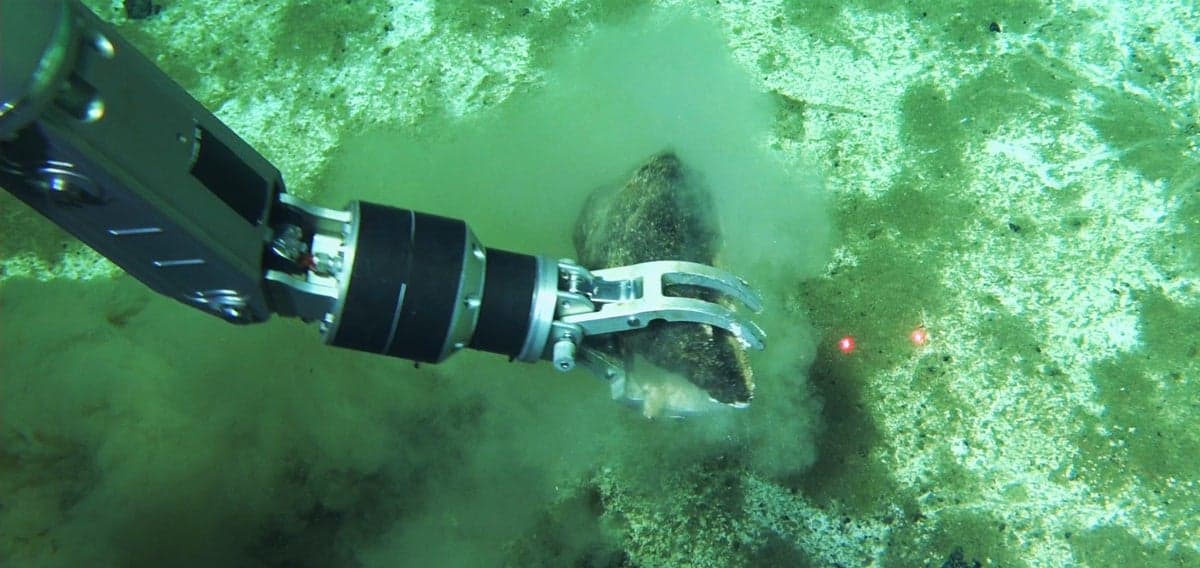
The Diamantina Fracture Zone, a 50‑million‑year‑old rift valley off southwestern Australia, has become a natural archive for marine paleontologists. By deploying a crewed submersible capable of operating at 23,000 feet, Chinese scientists were able to conduct systematic visual surveys and collect 33 fossil samples. This high‑resolution approach contrasts with traditional dredging methods, allowing researchers to document the spatial distribution of whale remains and capture delicate ecological contexts that would otherwise be lost. The sheer density of skeletons—over 450 across 750 miles—makes the site comparable to terrestrial fossil bonanzas such as the La Brea Tar Pits.
Beyond the sheer numbers, the site offers a rare glimpse into "whale fall" ecosystems, where a dead cetacean becomes a temporary island of nutrients on the abyssal plain. The five recent whale falls observed were in advanced stages of consumption, teeming with bone‑eating worms, squat lobsters, spoon worms and specialized microbes. These successional communities illustrate how a single carcass can sustain complex food webs for years, providing a natural laboratory for studying deep‑sea symbioses and the evolution of chemosynthetic life. The presence of potentially undescribed species underscores how much of the deep ocean remains biologically unknown.
The broader implications extend to marine geology and conservation. The fossil record captured here spans millions of years, offering data on cetacean morphology, migration patterns and responses to past climate shifts. Recognizing that such dense assemblages may align with ancient migration "highways" could reshape our understanding of oceanic connectivity over geological timescales. Moreover, the discovery highlights the vulnerability of deep‑sea habitats to emerging threats such as bottom‑trawling and mineral extraction, reinforcing calls for protective policies. Future expeditions, leveraging autonomous vehicles and advanced imaging, are poised to uncover additional whale graveyards, further illuminating the deep ocean’s role as a repository of Earth’s biological history.
Largest whale ‘graveyard’ discovered, with skeletons spanning 5 million years
Comments
Want to join the conversation?
Loading comments...