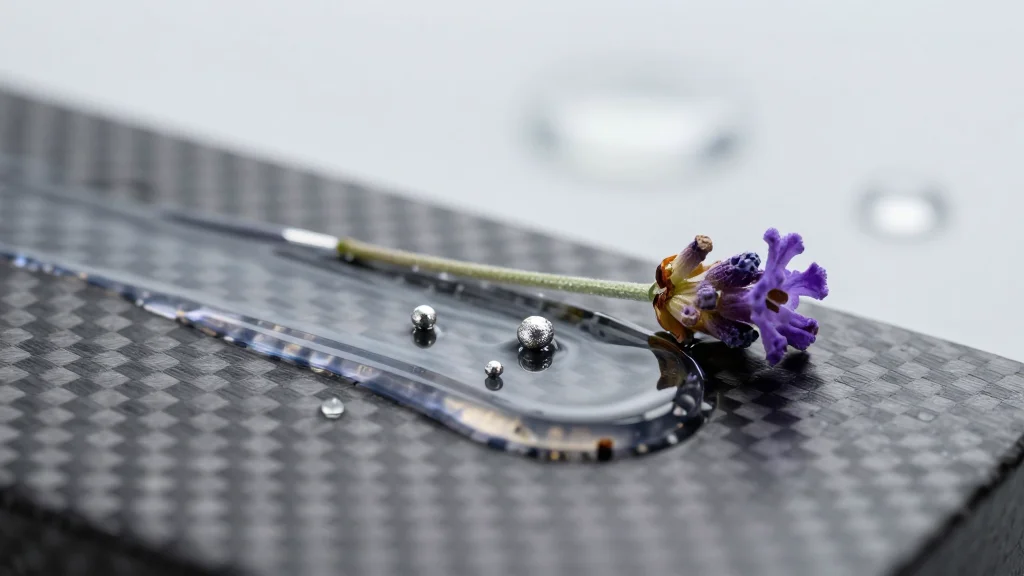
Lavandula-Zn(II) Hybrid Shields Steel From Corrosion
Why It Matters
The hybrid inhibitor offers a high‑performance, environmentally benign solution to steel degradation, a cost driver for maritime, construction, and infrastructure sectors. Its durability across temperature and salinity variations makes it a viable candidate for large‑scale, sustainable anti‑corrosion strategies.
Key Takeaways
- •Lavandura‑Zn(II) hybrid cuts corrosion current density by ~70% in saline tests
- •DFT calculations show strong adsorption energies, confirming stable protective film
- •Green inhibitor combines lavender phytochemicals with Zn(II) for synergistic protection
- •Performance remains high across varied salinity and temperature ranges
Pulse Analysis
Corrosion remains a persistent threat to carbon‑steel assets, especially in marine and coastal settings where chloride ions accelerate material loss. Traditional inhibitors often rely on toxic chemicals that pose environmental and regulatory challenges. The emergence of bio‑derived inhibitors, such as lavender extract rich in phenolics and flavonoids, offers a renewable pathway, but alone they may lack the binding strength required for harsh conditions. By coordinating these phytochemicals with Zn(II) ions, researchers have engineered a hybrid that leverages both organic chelation and inorganic metal‑ion protection, creating a synergistic barrier that outperforms either component individually.
In laboratory trials, the Lavandula‑Zn(II) system demonstrated a dramatic drop in corrosion current density—approximately 70% lower than untreated steel—while electrochemical impedance spectroscopy recorded a marked increase in charge‑transfer resistance. Complementary density functional theory (DFT) analyses revealed high adsorption energies and a chemisorption‑dominated Langmuir isotherm, confirming a stable, tightly bound film on the steel surface. These findings suggest that the hybrid not only blocks aggressive chloride ions but also forms a durable coating capable of withstanding temperature fluctuations and varying salinity levels, addressing key operational variables that often undermine inhibitor performance.
For industry, the implications are significant. A green, high‑efficiency inhibitor reduces reliance on hazardous chemicals, aligning with tightening environmental regulations and corporate sustainability goals. Its proven resilience across simulated real‑world conditions points to straightforward integration into existing coating processes for pipelines, ship hulls, and offshore platforms. Moreover, the modular nature of the approach invites exploration of other plant extracts and metal ions, potentially unlocking a new class of customizable, eco‑friendly corrosion solutions. As the sector moves toward circular‑economy principles, the Lavandula‑Zn(II) hybrid stands out as a practical, scalable technology poised to extend asset lifespans while lowering ecological footprints.
Lavandula-Zn(II) Hybrid Shields Steel from Corrosion
Comments
Want to join the conversation?
Loading comments...