Lawn Carbon Sequestration Report: What Science Says
Why It Matters
Turfgrass management directly influences urban carbon budgets; preserving or optimizing lawns can deliver climate mitigation benefits while supporting other ecosystem services.
Key Takeaways
- •Turfgrass soils store carbon comparable to native or agricultural lands
- •Removing turfgrass can release stored carbon and increase emissions
- •Clipping return, moderate nitrogen, and minimal disturbance boost sequestration
- •Warm- and cool-season grasses both sequester carbon when managed properly
- •Integrated management balances water use, emissions, and carbon storage
Pulse Analysis
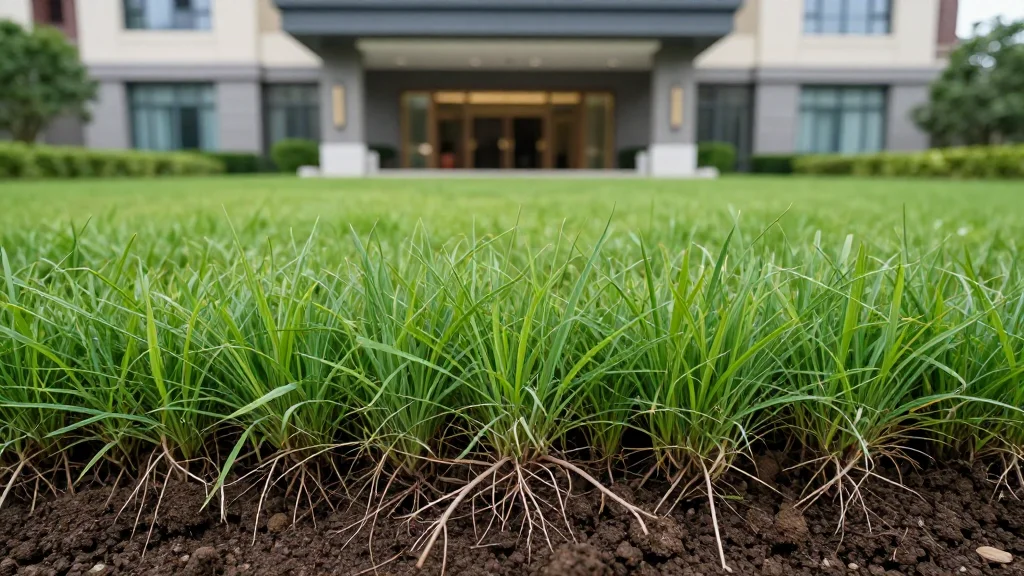
The push to replace traditional lawns with xeric plantings or artificial turf often cites water savings, yet it overlooks a hidden climate benefit: soil carbon sequestration. Turfgrass’s dense, fibrous root networks continuously deposit organic matter belowground, creating stable carbon pools that can persist for decades. Because these systems experience little soil disturbance, the carbon they capture is less prone to microbial decomposition than in many agricultural or disturbed lands. Recognizing lawns as carbon reservoirs reframes them from a water‑intensive liability to a multifunctional asset in urban climate strategies.
Empirical evidence supports this view. Long‑term studies on residential lawns, golf courses, and municipal greenspaces consistently report soil organic carbon stocks equal to or exceeding those of adjacent native soils. Meta‑analyses indicate that carbon accumulation continues for up to 50 years before reaching a natural equilibrium, while process‑based models (e.g., CENTURY) confirm that practices such as returning clippings, applying moderate nitrogen, and limiting soil disturbance amplify sequestration rates. Both cool‑season grasses (e.g., Kentucky bluegrass) and warm‑season species (e.g., bermudagrass) can achieve comparable gains when managed responsibly, though climate and species‑specific rooting depth modulate outcomes.
Management decisions dictate whether turfgrass delivers net climate benefits. Fertilizer and irrigation carry embodied emissions, and over‑application can generate nitrous‑oxide losses, but these can be mitigated with organic or controlled‑release nutrients and efficient irrigation technologies. Practices that preserve the soil matrix—such as higher mowing heights, periodic core aeration, and clipping return—enhance carbon storage while maintaining water‑use efficiency. By integrating carbon accounting into landscape planning, municipalities and homeowners can align water conservation, emissions reduction, and carbon sequestration goals, positioning well‑managed turfgrass as a cornerstone of resilient, climate‑smart urban environments.
Lawn Carbon Sequestration Report: What Science Says
Comments
Want to join the conversation?
Loading comments...