Why It Matters
The discovery of extended tidal features around M63 deepens our understanding of galaxy interaction and evolution, while demonstrating that advanced amateur imaging can contribute valuable data to professional research.
Key Takeaways
- •18.5 hours of LRGB exposure captured faint tidal debris
- •Dark dust lanes trace interstellar material in M63
- •10‑inch reflector achieved professional‑grade low‑surface‑brightness imaging
- •M63 lies roughly 25 million light‑years from Earth
- •Amateur data can aid studies of galaxy merger histories
Pulse Analysis
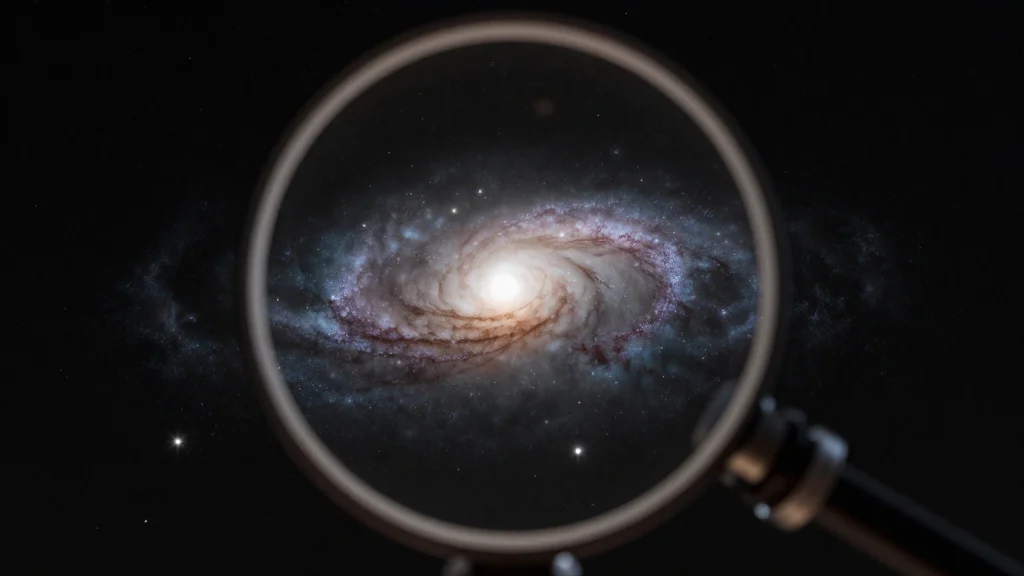
The newly released image of the Sunflower Galaxy (M63) underscores a shift in deep‑sky astrophotography, where modest telescopes now rival large‑scale observatories in revealing low‑surface‑brightness phenomena. Caligiuri’s 10‑inch f/7.3 reflector, paired with 18½ hours of LRGB stacking, resolved faint tidal streams that encircle the galaxy’s disk. This level of detail, once attainable only with multi‑meter class instruments, highlights advances in sensor sensitivity, image processing algorithms, and collaborative data‑sharing platforms that empower skilled amateurs to push the boundaries of visual astronomy.
Scientifically, the exposed dust lanes and surrounding halo provide tangible evidence of past gravitational interactions. Tidal debris often originates from minor mergers or close encounters with dwarf companions, leaving behind stellar streams that trace the galaxy’s dynamical history. By mapping these structures, researchers can refine models of mass distribution, dark‑matter halos, and star‑formation triggers within spiral galaxies. M63’s newly visible halo adds a valuable data point for comparative studies of similar nearby spirals, helping to calibrate simulations of galactic evolution across cosmic time.
Beyond the scientific payoff, this achievement fuels a growing movement where amateur astronomers contribute to professional datasets. High‑quality, calibrated images are increasingly uploaded to public archives, enabling researchers to conduct longitudinal studies without allocating scarce telescope time. Caligiuri’s work exemplifies how community‑driven observations can complement large‑survey missions, fostering a more inclusive and data‑rich landscape for future discoveries in extragalactic astronomy.
Left in the dust
Comments
Want to join the conversation?
Loading comments...