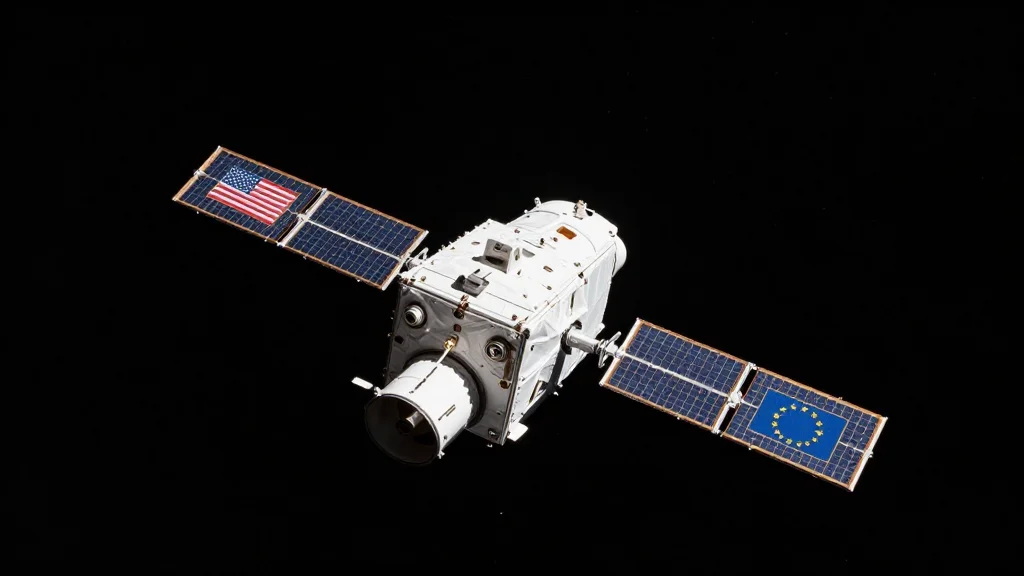
Letter: Nasa’s Cosmopolitanism Still Has Strict Limits
Why It Matters
The limits on NASA’s international partnerships reshape funding allocations, affect the pace of lunar and Mars projects, and create opportunities for private firms to step in where government collaboration stalls.
Key Takeaways
- •NASA seeks partners, but US export rules restrict technology sharing
- •International missions face political approval bottlenecks in Congress
- •Private sector fills gaps left by governmental constraints
- •Collaboration limits affect lunar gateway and Mars plans
Pulse Analysis
NASA’s reputation as a cosmopolitan engine of space discovery has long attracted partners from Europe, Japan, Canada and beyond. By pooling expertise and resources, multinational missions have reduced costs and accelerated scientific returns, exemplified by the International Space Station and the Artemis program’s reliance on European Service Modules. This collaborative model not only spreads risk but also cements the United States’ leadership in a rapidly diversifying orbital economy.
Yet the optimism of open‑border science collides with a tightening regulatory environment. The International Traffic in Arms Regulations (ITAR) and the Export Administration Regulations (EAR) now demand rigorous licensing for even low‑risk components, slowing joint hardware development. Congressional scrutiny over technology transfer to perceived adversaries, especially China, adds another layer of approval that can delay or cancel projects. These policy constraints have forced NASA to re‑evaluate its partnership strategies, often opting for limited data sharing rather than full hardware integration, which can dilute the scientific value of collaborative missions.
The ripple effects extend to the commercial sector, where private companies such as SpaceX and Blue Origin are positioned to bridge gaps left by governmental hesitancy. By offering launch services and in‑space logistics under fewer export restrictions, they enable international customers to participate in U.S.‑led missions indirectly. For policymakers, the challenge lies in crafting a nuanced framework that safeguards national security while preserving the collaborative spirit essential for ambitious endeavors like the lunar gateway and eventual Mars colonization.
Letter: Nasa’s cosmopolitanism still has strict limits
Comments
Want to join the conversation?
Loading comments...