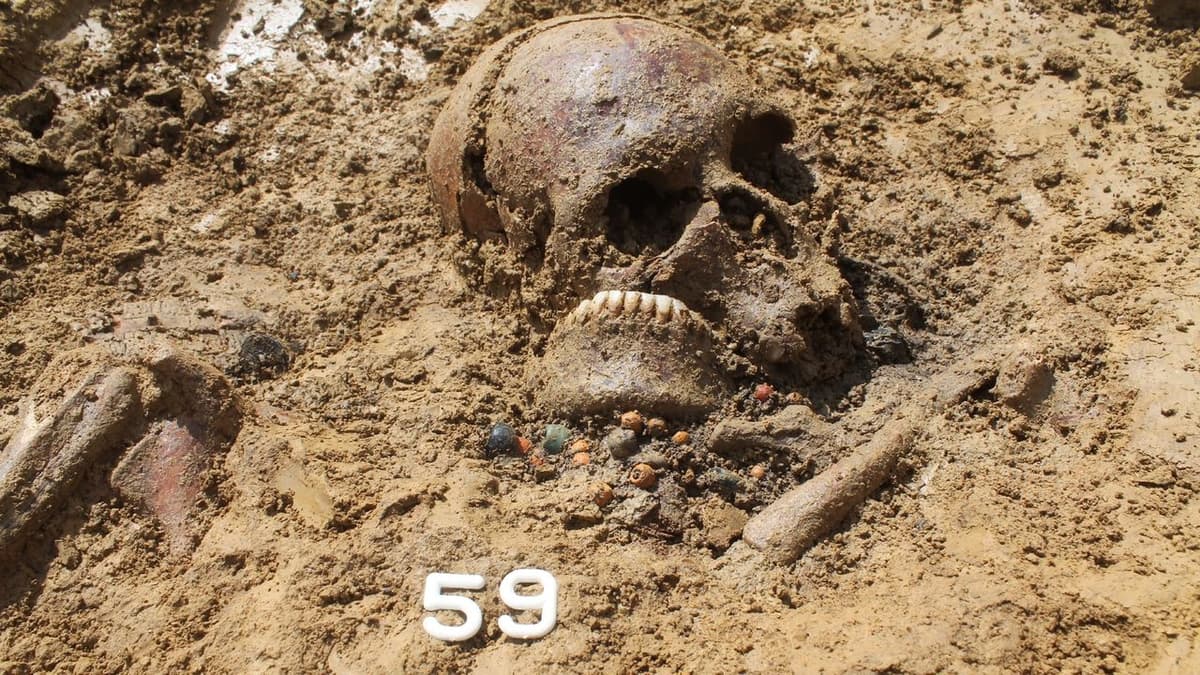
'Lifelong Monogamy' And 'Half Orphans': DNA Analysis Reveals Clues About Life on the Roman Frontier After the Fall of Rome
Why It Matters
The findings reshape our view of the early Middle Ages, showing that demographic resilience and stable family structures emerged soon after Rome’s collapse, influencing the trajectory of European population genetics and social organization.
Key Takeaways
- •258 individuals dated 400‑700 CE analyzed from southern Germany
- •Lifelong monogamy prevailed; little evidence of polygamy or remarriage
- •Male life expectancy rose to 43 years, females to 40 years
- •One‑quarter of children lost a parent by age ten
Pulse Analysis
The new study leverages ancient DNA, radiocarbon dating, and strontium isotope analysis to reconstruct the lives of people living on the Roman frontier after the empire’s fall. By comparing 258 skeletal genomes with 2,500 ancient and 379 modern samples, researchers identified a sharp demographic turnover in the fifth century, when migrants of northern European ancestry intermarried with local Roman‑provincial groups. This genetic blending produced a population that, by the seventh century, closely mirrors today’s Central European gene pool, offering a rare glimpse into how large‑scale migrations reshaped Europe’s demographic landscape.
Beyond genetics, the research overturns long‑standing assumptions about health in the early medieval period. Life expectancy estimates—43 years for men and 40 years for women—exceed earlier Roman figures of 20‑25 years at birth, suggesting that the cessation of empire‑wide wars reduced violent mortality. The lower incidence of trauma on skeletal remains points to a shift from large, organized conflicts to smaller, localized skirmishes. However, women still faced higher mortality after age ten, likely due to childbirth risks, underscoring persistent gender‑specific health challenges despite overall longevity gains.
Social norms also emerge clearly from the data. The absence of polygamy, remarriage, and close‑kin unions indicates that lifelong monogamy was the prevailing marital model, aligning with contemporary Christian teachings that discouraged divorce and incest. This continuity from late‑Roman legal codes into early medieval practice suggests that cultural and religious frameworks remained influential even as political structures collapsed. Together, these insights refine our understanding of how demographic, health, and social dynamics intertwined to shape the foundations of medieval European societies.
'Lifelong monogamy' and 'half orphans': DNA analysis reveals clues about life on the Roman frontier after the fall of Rome
Comments
Want to join the conversation?
Loading comments...