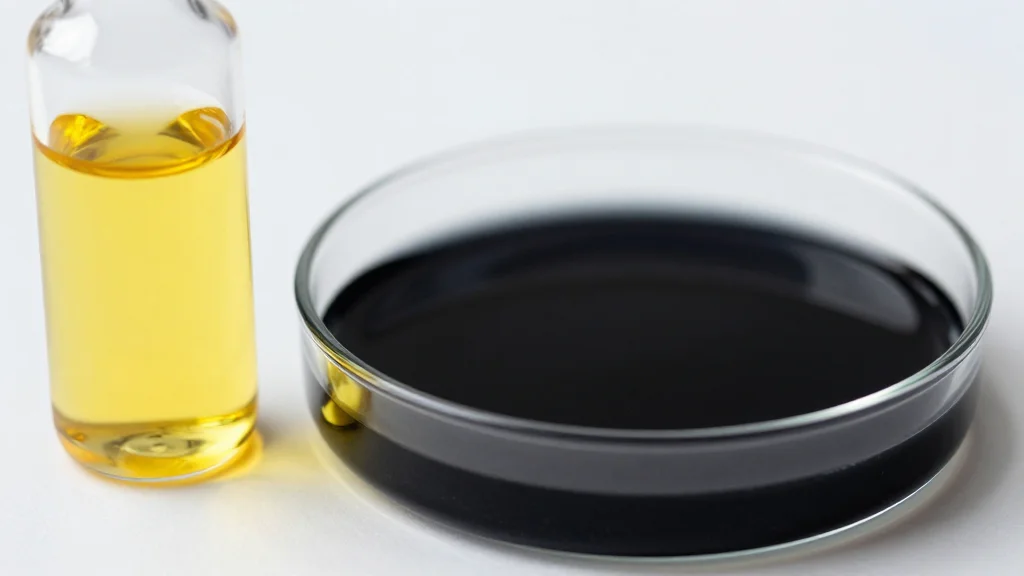
‘Light in a Bottle’ Liquid Can Harvest and Store Energy From Multiple Sources
Why It Matters
A single‑component, multi‑source energy harvester could simplify storage architectures and enable flexible, metal‑free electronics, addressing growing demand for lightweight, biocompatible power solutions.
Key Takeaways
- •Liquid turns into gel storing electrons for months
- •Energy harvested from light, electricity, chemicals, and X‑rays
- •Gel releases electrons on oxygen exposure, acting like a battery
- •Metal‑free material could replace silicon in soft medical implants
- •Early‑stage proof‑of‑concept needs cycle‑life testing for commercialization
Pulse Analysis
The race to replace bulky, metal‑based batteries has accelerated as wearables, IoT sensors, and implantable devices demand ever‑lighter, more flexible power sources. Traditional lithium‑ion cells, while energy‑dense, pose safety and recyclability challenges, prompting researchers to explore bio‑inspired alternatives. The newly reported liquid‑to‑gel system offers a radical departure: a single, metal‑free molecule that captures energy from multiple stimuli and stores it in a stable, high‑energy configuration for months, potentially reshaping how we think about portable energy storage.
At the heart of the technology is a dual‑component molecule combining an amino‑naphthalene unit that absorbs photons with a methyl viologen moiety that accepts electrons. When illuminated, the absorbed light triggers electron transfer, causing the molecules to self‑assemble into ribbon‑like aggregates that solidify into a black gel. This structural transition locks the electrons in place, effectively “charging” the material. Exposure to oxygen reverses the process, disassembling the gel and releasing the stored electrons to drive chemical reactions, akin to a rechargeable battery that can be refilled with light, electricity, chemical fuels, or even high‑energy X‑rays.
While still in the laboratory, the material’s versatility opens doors to applications beyond conventional batteries. Its gel state behaves as a semiconductor, suggesting use in soft electronics where silicon’s rigidity is a drawback—think flexible medical implants, skin‑mounted sensors, or ultra‑light smartwatches. However, the technology must survive rigorous cycle‑life, power‑density, and stability tests before it can compete with established storage solutions. If these hurdles are cleared, the liquid‑gel system could herald a new class of sustainable, metal‑free energy devices, aligning with broader industry moves toward greener, more adaptable power technologies.
‘Light in a bottle’ liquid can harvest and store energy from multiple sources
Comments
Want to join the conversation?
Loading comments...