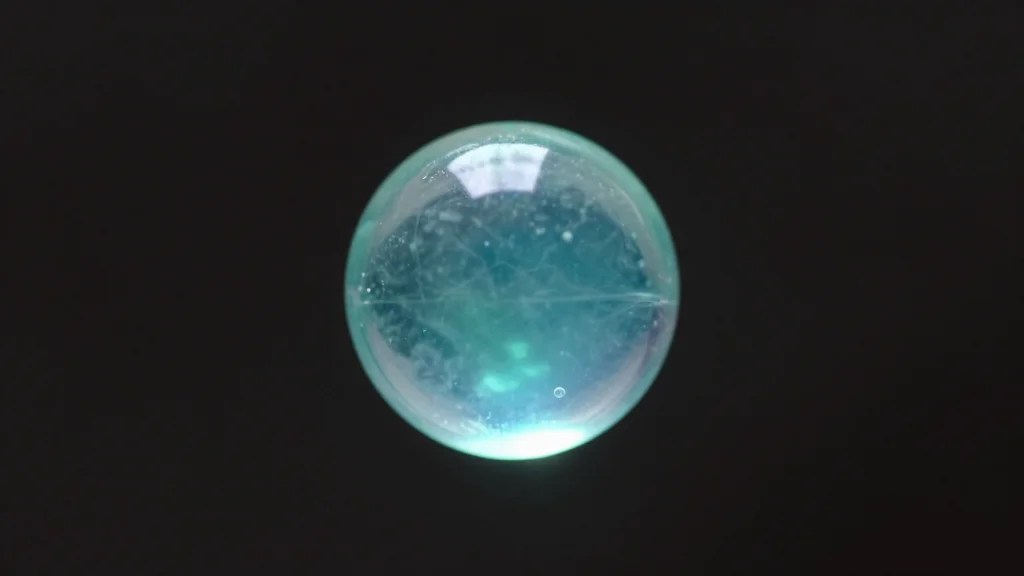
Light without Electricity? Glowing Algae Could Make It Possible
Why It Matters
The breakthrough offers a renewable, low‑carbon alternative to electric lighting and opens new avenues for bio‑fabricated devices in robotics, environmental monitoring, and design.
Key Takeaways
- •Acidic solution (pH 4) keeps algae glowing for 25 minutes.
- •3D‑printed hydrogel embeds algae, retaining 75% brightness after four weeks.
- •Living light material could power robots without batteries.
- •Algae convert seawater carbon into energy, offering carbon‑negative lighting.
Pulse Analysis
Bioluminescence has long fascinated scientists, but its fleeting nature limited practical use. The Colorado team’s discovery that simple chemical cues—acidic or basic solutions—can prolong the glow of Pyrocystis lunula algae transforms a natural curiosity into a controllable light source. By fine‑tuning pH levels, the researchers achieved sustained illumination lasting minutes rather than milliseconds, a critical step toward integrating living light into engineered systems.
The next leap came from marrying biology with additive manufacturing. The algae were suspended in a biodegradable hydrogel and extruded via 3D printing into custom geometries, from logos to intricate patterns. Remarkably, the printed constructs kept the organisms alive for weeks, with brightness holding steady at three‑quarters of the initial output after a month. Such durability positions these living panels as viable power sources for autonomous underwater drones, space exploration rovers, or even architectural installations that demand low‑maintenance, battery‑free lighting.
Beyond novelty, the technology carries environmental dividends. As photosynthetic organisms, the algae draw dissolved carbon from seawater, effectively storing carbon while emitting light—a stark contrast to conventional electric lighting that relies on fossil‑fuel‑derived electricity. Moreover, the algae’s sensitivity to chemical changes hints at dual‑function sensors that flash in the presence of pollutants, offering real‑time water‑quality data. While scaling production and ensuring long‑term stability remain challenges, the convergence of bio‑luminescence, 3D printing, and green chemistry could reshape how industries think about illumination and sensing.
Light without electricity? Glowing algae could make it possible
Comments
Want to join the conversation?
Loading comments...