Why It Matters
Escalating emissions from the Iran war undermine climate targets and strain energy‑security policies, raising stakes for policymakers worldwide.
Key Takeaways
- •Military operations add millions of tons CO₂ annually
- •Oil production spikes raise global carbon intensity
- •Supply chain disruptions hinder renewable investments
- •Conflict distracts from climate policy implementation
- •Increased emissions accelerate warming trajectory
Pulse Analysis
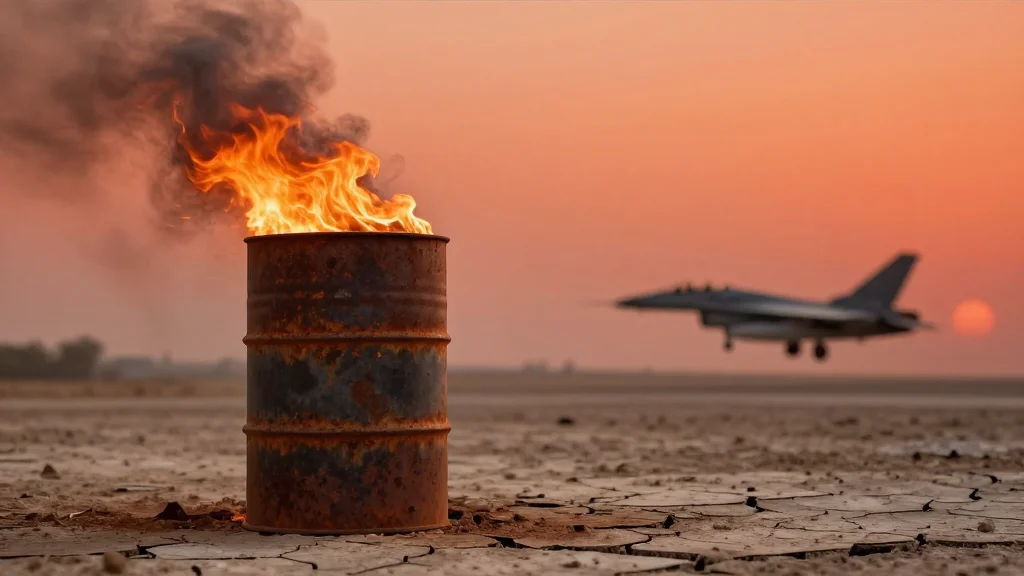
The Iran war’s environmental footprint extends far beyond the battlefield, as the deployment of conventional munitions and jet fuel burns vast quantities of carbon. Each sortie releases hundreds of tons of CO₂, and when aggregated over months, the emissions rival those of small nations. Moreover, the conflict has spurred a rapid increase in oil extraction to fund military expenditures, lifting global production levels and pushing the carbon intensity of the energy mix upward. This surge in fossil‑fuel output directly counters the decarbonization pathways outlined in the Paris Agreement.
Beyond direct emissions, the war destabilizes global energy markets, prompting price spikes that make renewable projects less competitive. Nations facing higher fuel costs may postpone or scale back investments in wind, solar, and battery storage, slowing the transition to clean energy. Additionally, supply chain disruptions affect the availability of critical components such as lithium and rare‑earth minerals, further delaying the rollout of low‑carbon technologies. The combined effect is a feedback loop where conflict fuels emissions, and higher emissions exacerbate climate risks that can, in turn, intensify geopolitical tensions.
Policymakers must therefore treat conflict‑related emissions as a climate‑risk factor. Integrating military carbon accounting into national greenhouse‑gas inventories can reveal hidden sources and guide mitigation strategies. International cooperation to enforce emissions standards for armed forces, alongside diplomatic efforts to de‑escalate the Iran war, will be essential to keep global warming within safe limits. Recognizing the climate cost of warfare adds urgency to peace‑building initiatives and underscores the interconnected nature of security and environmental stewardship.
Listen: What the Iran War Is Costing Our Climate
Comments
Want to join the conversation?
Loading comments...