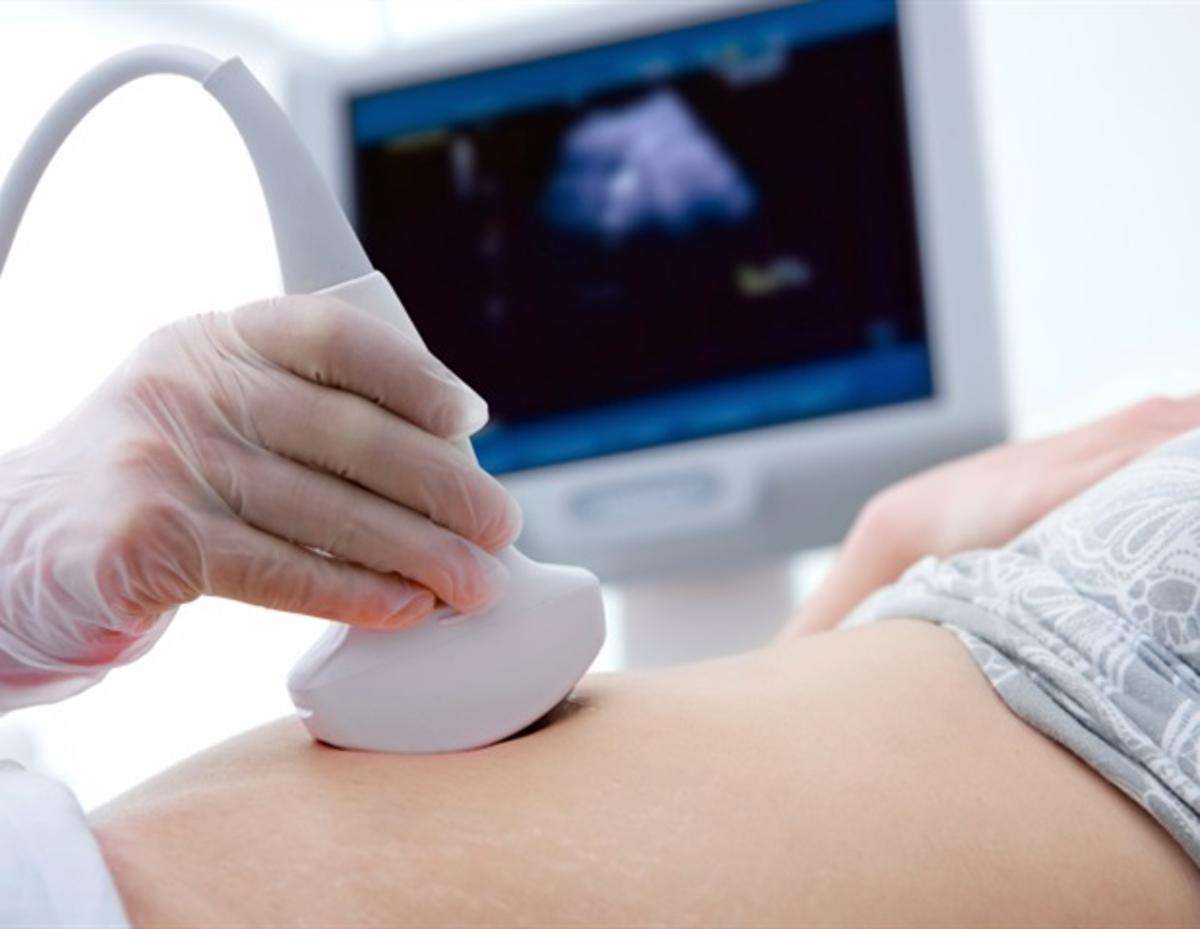
Low-Frequency Ultrasound Waves Directly Manipulate Blood Flow Properties
Why It Matters
By enabling precise, drug‑free manipulation of blood rheology, ultrasound could transform treatment protocols for chronic vascular and metabolic disorders, reducing reliance on invasive procedures and costly medications.
Key Takeaways
- •Low-frequency ultrasound breaks red blood cell clusters, lowering viscosity
- •High-frequency ultrasound promotes aggregation, increasing blood pressure risk
- •Technique may enhance oxygen delivery for heart, Alzheimer, diabetes care
- •Non‑invasive approach could complement drugs, reduce surgical interventions
Pulse Analysis
Ultrasound has long been synonymous with diagnostic imaging, but the latest research from Kaunas University of Technology (KTU) reframes it as a therapeutic modality. The study reveals that low‑frequency, travelling acoustic waves generate shear forces capable of dispersing erythrocyte aggregates, thereby decreasing blood viscosity and facilitating more efficient oxygen transfer. Conversely, high‑frequency, standing waves draw cells into low‑pressure zones, encouraging aggregation and potentially raising vascular resistance. This bidirectional control underscores ultrasound’s mechanical versatility and suggests a new class of non‑pharmacologic interventions for circulatory health.
The clinical implications are broad. In cardiovascular care, reduced viscosity could improve perfusion without additional drugs, while in neurodegenerative diseases like Alzheimer’s, temporary modulation of the blood‑brain barrier might enhance targeted drug delivery. Diabetic foot ulcers, which suffer from poor microcirculation, could heal faster if localized ultrasound restores flow. Early cancer research also hints that selective acoustic pressure may weaken tumor matrices, augmenting existing therapies. However, translating these laboratory findings into bedside applications will require rigorous safety profiling, dosage optimization, and integration with existing treatment algorithms.
From a market perspective, the convergence of medical device innovation and non‑invasive therapy creates a fertile ground for investment. Companies developing focused‑ultrasound platforms may expand their portfolios beyond ablation and imaging into rheology‑modulating devices, attracting venture capital and strategic partnerships with pharma firms seeking adjunctive delivery methods. Regulatory pathways could be streamlined if the technology leverages existing ultrasound safety data, accelerating time‑to‑market. As healthcare systems prioritize cost‑effective, patient‑friendly solutions, ultrasound‑driven blood flow modulation positions itself as a disruptive yet complementary tool in the chronic disease management toolkit.
Low-frequency ultrasound waves directly manipulate blood flow properties
Comments
Want to join the conversation?
Loading comments...