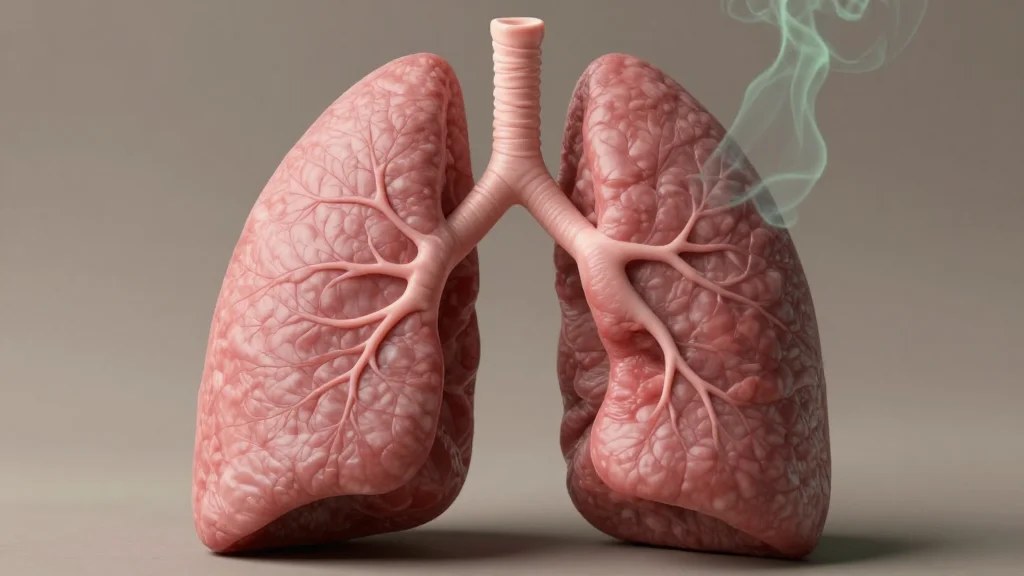
Lung Cancer Risks Increase with Cannabis Use Disorder
Why It Matters
The findings suggest that heavy smoked cannabis may be a significant, previously under‑recognized lung‑cancer risk factor, prompting changes in clinical screening and public‑health messaging.
Key Takeaways
- •Cannabis‑use disorder associated with ~4× higher lung cancer incidence.
- •Risk elevation observed across all major lung cancer histologies.
- •Study used 20‑year EMR data from 67 U.S. health systems.
- •Prior analyses limited by low exposure; this study targets heavy users.
- •Clinicians advised to screen and counsel patients on smoked cannabis risks.
Pulse Analysis
The rapid expansion of legal cannabis markets in the United States has outpaced scientific understanding of its long‑term health effects. While earlier epidemiologic reviews repeatedly concluded that evidence linking smoked cannabis to lung cancer was inconclusive, a new retrospective cohort analysis published in Lung Cancer changes that narrative. Researchers examined two decades of electronic health‑record data from 67 health‑care organizations, matching nearly 150,000 patients diagnosed with cannabis‑use disorder to controls with similar demographics and comorbidities. The study reported a relative risk of 3.87 for lung cancer, a magnitude comparable to moderate tobacco exposure, and the association persisted across adenocarcinoma, squamous‑cell and small‑cell subtypes.
The biological plausibility of a carcinogenic effect from combustible cannabis is supported by its smoke composition. Cannabis joints generate higher tar yields per gram than cigarettes and contain poly‑aromatic hydrocarbons, nitrosamines and other mutagens also found in tobacco smoke. Histopathologic examinations of bronchial biopsies from chronic cannabis smokers reveal squamous metaplasia, dysplasia and DNA adduct formation—lesions that precede malignant transformation. Moreover, the American Thoracic Society has acknowledged that cannabis smoke can induce genomic toxicity and inflammatory changes. These mechanistic insights help explain why a cohort enriched for heavy, sustained use now demonstrates a clear risk signal that earlier, low‑exposure studies missed.
For clinicians, the emerging evidence mandates a shift from reassurance to proactive counseling. Screening tools that identify cannabis‑use disorder should become routine, especially in adolescent and young‑adult populations where initiation rates are climbing. Discussions must emphasize that “natural” or legal does not equate to safe, highlighting the comparable carcinogen load of smoked cannabis to tobacco. Public‑health campaigns may need to incorporate lung‑cancer warnings alongside existing messages about respiratory irritation and cognitive effects. Finally, further research is required to disentangle the independent contribution of cannabis from concurrent tobacco use and to assess risks associated with vaporized or edible forms.
Lung cancer risks increase with cannabis use disorder
Comments
Want to join the conversation?
Loading comments...