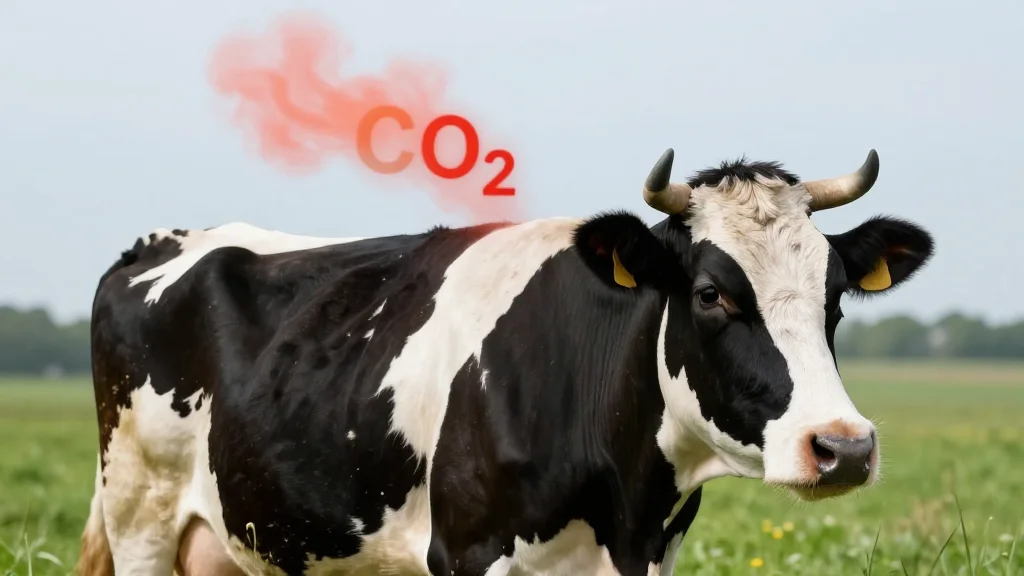
Major Livestock and Animal Agriculture Companies Are Making Climate Promises They Aren’t Keeping
Companies Mentioned
Why It Matters
The findings expose a systemic credibility gap that threatens investor confidence, invites regulatory scrutiny, and hampers genuine climate progress in a sector critical to global emissions.
Key Takeaways
- •98% of 1,233 livestock climate claims classified as greenwashing
- •JBS settled NY lawsuit, paying $1.1 million for emission‑reduction projects
- •Only Nestlé disclosed a $4 billion climate investment among peers
- •Evidence supported just 356 claims; scholarly proof found for five only
- •Net‑zero pledges lack clear pathways, limiting credibility
Pulse Analysis
The PLOS Climate study examined more than 1,200 climate‑related statements from the world’s biggest meat and dairy firms and concluded that 98 percent qualify as greenwashing. With livestock responsible for roughly 16.5 percent of global greenhouse‑gas emissions, the sector faces intense scrutiny from scientists and policymakers. Yet the analysis revealed that only a handful of companies—five out of thirty‑three—offer any measurable roadmap toward net‑zero, and scholarly backing exists for merely five of the 1,233 claims. This gap underscores a systemic credibility crisis in animal‑agriculture sustainability reporting.
The credibility gap has tangible financial repercussions. New York Attorney General Letitia James sued JBS USA for misleading consumers, resulting in a $1.1 million settlement earmarked for emission‑reduction practices on local farms. Investors are increasingly factoring ESG risk into capital allocation, and the prevalence of unsubstantiated pledges threatens to erode trust and trigger regulatory backlash. Only Nestlé disclosed a concrete $4 billion climate‑related investment, highlighting the stark contrast between rhetoric and capital commitment across the industry.
Moving forward, genuine decarbonization will require more than aspirational net‑zero dates. Analysts suggest that meaningful progress hinges on transparent metrics, third‑party verification, and alignment with broader energy transition policies. Consumers and policymakers are also turning to alternative protein sources and reduced meat consumption as complementary strategies. Companies that fail to embed verifiable climate actions risk legal challenges, divestment, and brand damage, while early adopters of rigorous sustainability frameworks could capture market share in a rapidly greening food system.
Major Livestock and Animal Agriculture Companies Are Making Climate Promises They Aren’t Keeping
Comments
Want to join the conversation?
Loading comments...