Make a Soft Digital Clock Tick With Millifluidics
Why It Matters
Millifluidic logic cuts hardware complexity and weight, accelerating the move toward fully soft, air‑powered robotic systems that compute and move with the same medium.
Key Takeaways
- •Millifluidics scales microfluidic concepts to millimeter‑scale devices
- •Vacuum‑driven pneumatic transistors replace electronic MOSFETs
- •Clock uses 11 valves versus 29 in conventional designs
- •Silicone membrane stores segment state like a capacitor
- •3D‑printed airtight channels enable low‑cost soft robotics
Pulse Analysis
The resurgence of fluidic computing, now dubbed millifluidics, bridges a gap between laboratory‑scale microfluidics and full‑size soft robotics. By enlarging channel dimensions to the millimeter range, engineers achieve the higher flow rates needed to power actuators while preserving the precise control that made microfluidics revolutionary. Recent advances in 3D printing and silicone casting have solved longstanding challenges such as material porosity and seal integrity, allowing designers to fabricate airtight, repeatable pneumatic circuits without expensive clean‑room processes. This shift opens the door for a new class of devices that compute with the same air that drives motion.
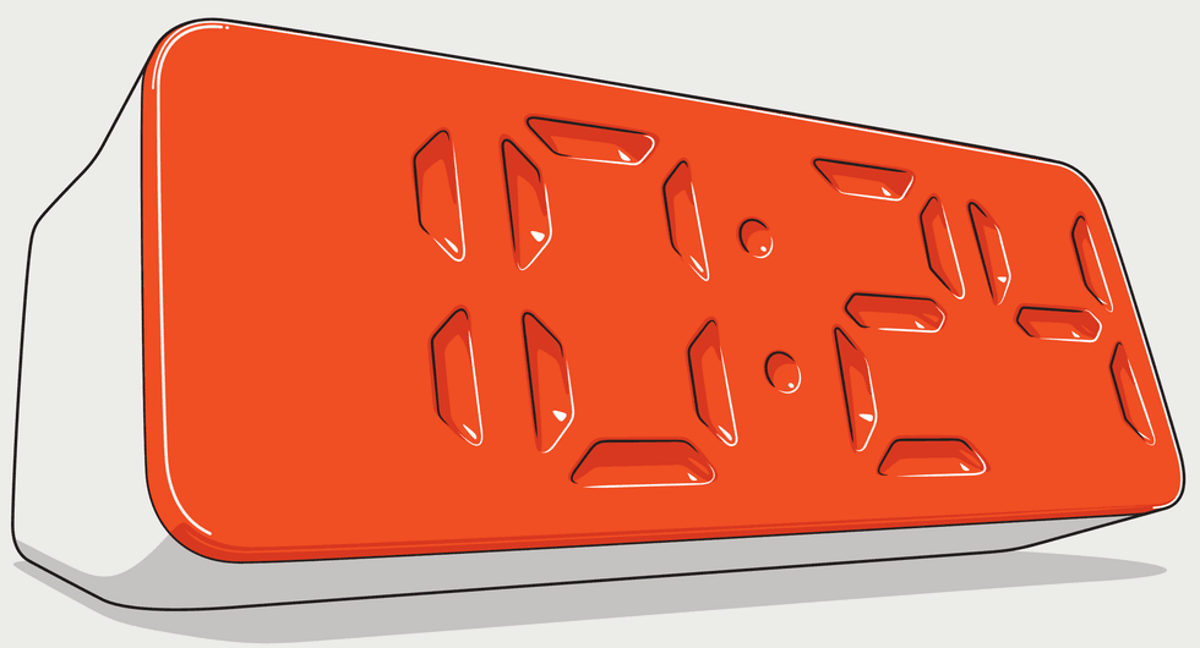
Provost’s soft clock exemplifies how millifluidic logic can replace bulky electronic‑to‑pneumatic interfaces. The system encodes binary states using a –60 kPa vacuum as logical 1 and ambient pressure as logical 0, moving a flexible membrane to open or close airflow pathways. By integrating fluidic transistors, resistive pull‑downs, and diode‑like check valves, the clock builds full Boolean gates and memory cells directly in the pneumatic domain. The clever use of a shared seven‑line data bus and per‑digit write‑enable valves trims the valve count from 29 to just 11, while each segment’s sealed cavity retains its state for several seconds, effectively acting as a pneumatic capacitor.
Beyond a novelty timepiece, this approach signals a broader trend toward monolithic soft machines where sensing, computation, and actuation coexist in a single compliant structure. Reducing reliance on rigid electronics can lower weight, improve safety in human‑robot interaction, and simplify manufacturing for applications ranging from wearable haptics to autonomous soft grippers. As open‑source guides and design libraries for vacuum‑powered logic emerge, we can expect faster prototyping cycles and wider adoption across industries seeking lightweight, resilient automation solutions.
Make a Soft Digital Clock Tick With Millifluidics
Comments
Want to join the conversation?
Loading comments...