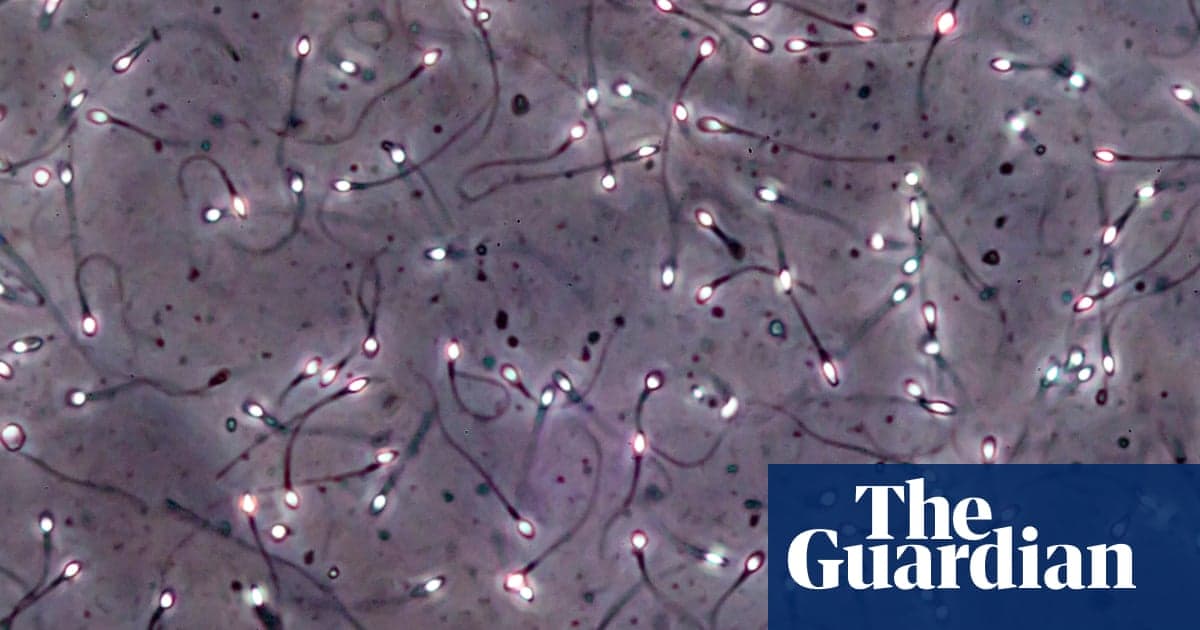
Man Produces Sperm From Testicular Tissue Frozen as a Child in Breakthrough Trial
Why It Matters
The breakthrough proves that boys rendered infertile by life‑saving cancer or sickle‑cell treatments can later achieve biological parenthood, creating a new market for fertility‑preservation services and reshaping reproductive medicine.
Key Takeaways
- •First human case of sperm from frozen prepubertal testicular tissue.
- •Tissue grafts produced mature sperm after one year inside the body.
- •Over 3,000 patients worldwide have testicular tissue banked.
- •UK expects ~200 annual beneficiaries from IVF using this method.
- •Ongoing trials aim to scale transplants and confirm fertilization success.
Pulse Analysis
Fertility preservation for prepubertal boys has long been a clinical blind spot because traditional sperm banking requires mature sperm. Chemotherapy and radiotherapy, while often lifesaving, can irreversibly damage the germline, leaving young patients without a clear path to biological children. Cryopreserving testicular tissue emerged as a theoretical solution, but until now it remained unproven in humans. The recent Belgian trial bridges that gap, offering concrete evidence that dormant spermatogonial stem cells can survive decades of storage and later mature into functional sperm when re‑implanted into a supportive environment.
The procedure involved surgically removing one testicle before high‑dose chemotherapy, segmenting the tissue into small fragments, and freezing them in liquid nitrogen. Sixteen years later, four fragments were grafted back into the remaining testicle and four under the scrotal skin. After a year, laboratory analysis confirmed that two intra‑testicular grafts produced mature sperm, which were harvested and cryopreserved. While the sperm are not yet linked to the ejaculatory tract, the finding validates the biological premise and sets the stage for IVF applications. The patient’s next steps—additional grafts or direct IVF—will test whether these cells can fertilize an egg and result in a viable pregnancy.
Globally, more than 3,000 boys have had testicular tissue banked, and UK clinics estimate roughly 200 annual candidates who could benefit from this technology. As proof of concept solidifies, commercial tissue‑banking services are likely to expand, attracting investment and prompting regulatory frameworks. Ongoing trials in Edinburgh and other centers aim to refine grafting techniques, improve sperm retrieval rates, and establish standardized protocols, potentially turning a once‑experimental idea into a mainstream fertility option for thousands of survivors of childhood disease.
Man produces sperm from testicular tissue frozen as a child in breakthrough trial
Comments
Want to join the conversation?
Loading comments...