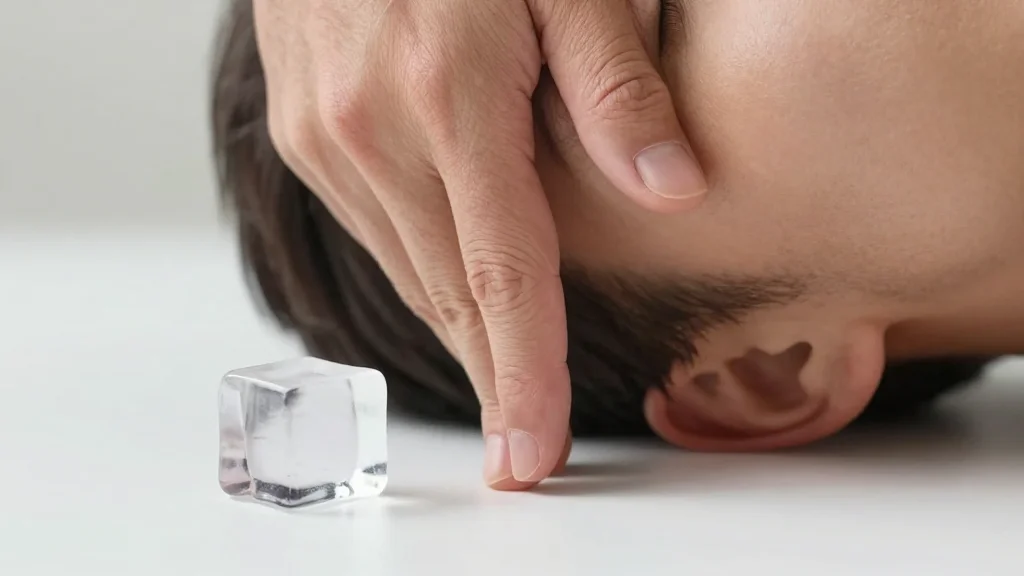
Manual Pressure Techniques Activate Descending Pain-Modulatory Pathways and Reduce Headache Intensity in Chronic Tension-Type Headache: A Randomized Crossover Trial
Why It Matters
The study demonstrates that manual pressure offers a clinically meaningful, mechanism‑driven option for chronic tension‑type headache, outperforming standard nociceptive conditioning methods. This could shift therapeutic strategies toward non‑pharmacologic, targeted manual interventions.
Key Takeaways
- •Manual pressure raises pain thresholds similar to cold pressor
- •Only manual pressure significantly lowers headache intensity
- •Responders show greater threshold increase and relief
- •Male sex and no analgesics boost treatment effect
- •Sham techniques produce no significant changes
Pulse Analysis
Chronic tension‑type headache (CTTH) remains a pervasive neurological disorder, driven by central sensitization and weakened descending inhibitory control. Researchers have long sought non‑pharmacologic methods to restore these pathways, with conditioned pain modulation (CPM) serving as a benchmark for assessing inhibitory function. Manual pressure techniques, rooted in physiotherapy, aim to stimulate proprioceptive afferents and trigger endogenous analgesia, offering a potential bridge between hands‑on therapy and neurophysiological modulation.
In a rigorously designed randomized crossover trial, 37 CTTH sufferers underwent three interventions: targeted manual pressure, a sham procedure, and the classic cold pressor test. Both active modalities significantly boosted pressure pain thresholds at the trapezius and tibialis anterior muscles, confirming comparable activation of descending pain‑modulatory circuits. Crucially, only manual pressure achieved a marked decrease in headache intensity, outperforming the cold pressor and sham controls. Sub‑analyses revealed that participants classified as CPM responders enjoyed larger threshold gains and superior headache relief, while male sex and the absence of concurrent analgesic use amplified treatment effects.
These findings position manual pressure techniques as a mechanism‑informed, drug‑free therapy for CTTH, offering clinicians a tangible tool to counteract central sensitization. The comparable efficacy to the cold pressor test suggests that manual therapy can harness the same neurobiological pathways while delivering superior symptom relief. As healthcare systems prioritize non‑opioid pain solutions, integrating evidence‑based manual pressure protocols could reduce medication reliance and improve patient outcomes. Future research should explore long‑term durability, optimal dosing schedules, and applicability across other chronic pain syndromes, potentially expanding the market for specialized manual therapy devices and training programs.
Manual Pressure Techniques Activate Descending Pain-Modulatory Pathways and Reduce Headache Intensity in Chronic Tension-Type Headache: A Randomized Crossover Trial
Comments
Want to join the conversation?
Loading comments...