Why It Matters
The report spotlights systemic inequities that threaten New Zealand’s social cohesion, biodiversity and economic stability, urging policymakers to embed Indigenous knowledge and Treaty obligations into climate strategies for more effective, equitable resilience.
Key Takeaways
- •Colonization intensifies Māori exposure to storms, flooding, and wildfires.
- •Māori‑led adaptation deemed most effective for climate resilience.
- •Report warns of near‑irreversible species loss by 2090.
- •Economic vulnerability of Māori farms, forestry, aquaculture will rise.
- •Legal exclusion under Treaty of Waitangi multiplies climate risks.
Pulse Analysis
The release of New Zealand’s 2026 National Climate Change Risk Assessment marks a watershed moment for Indigenous climate research. By dedicating an entire companion volume to Māori communities, the assessment quantifies how more than a century and a half of colonization has amplified exposure to extreme weather, echoing findings from the United States’ Fifth National Climate Assessment and Australia’s recent State of the Environment report. Both foreign studies and the Māori analysis point to a common thread: historical land dispossession and systemic exclusion have turned climate shocks into existential threats for Indigenous peoples worldwide.
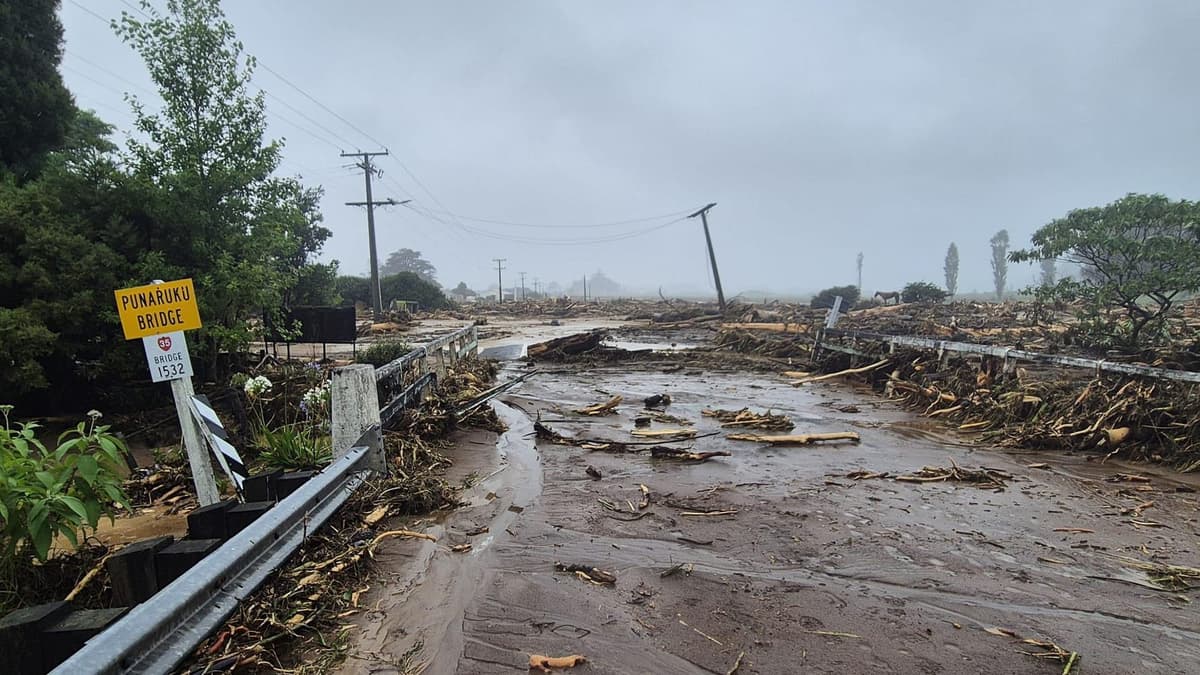
The Māori report outlines seven interlocking risk domains that span ecosystems, cultural heritage, and livelihoods. Record‑breaking storms are eroding coastal *whenua*, damaging *marae* meeting houses, and contaminating *mahinga kai* food‑gathering sites, while projected species declines by 2090 threaten the lunar calendar and traditional knowledge tied to endemic flora and fauna. Economically, Māori‑owned forestry, farming, and aquaculture face rising repair costs and limited adaptation funding, deepening an already stark investment gap. The cumulative effect is a potential fracturing of language transmission and intergenerational cultural continuity.
Policymakers are now urged to pivot toward Māori‑led adaptation, a model the assessment deems uniquely effective because it embeds tikanga, Indigenous data sovereignty, and local governance into mitigation strategies. Strengthening Māori authority aligns with the Treaty of Waitangi’s partnership principle and could unlock targeted financing that has historically bypassed Indigenous projects. As climate projections sharpen, integrating Indigenous knowledge not only addresses equity concerns but also enhances overall national resilience, offering a blueprint for other nations grappling with the colonial legacy of climate vulnerability.
Māori climate risk worsened by colonization, report finds
Comments
Want to join the conversation?
Loading comments...