MAP1B Reveals Unexpected Role for Cytoskeletal Proteins in Brain Development
Why It Matters
The work reveals a previously hidden nuclear role for cytoskeletal proteins, offering new mechanistic insight into neurodevelopmental disorders and potential targets for therapeutic intervention.
Key Takeaways
- •MAP1B localizes to nucleus of neural stem cells
- •Nuclear MAP1B maintains stem‑cell state, delaying differentiation
- •Mutations cause MAP1B buildup in nucleus, leading to heterotopia
- •MAP1B interacts with BAF complex, altering gene accessibility
- •Study suggests many cytoskeletal proteins may regulate nuclear programs
Pulse Analysis
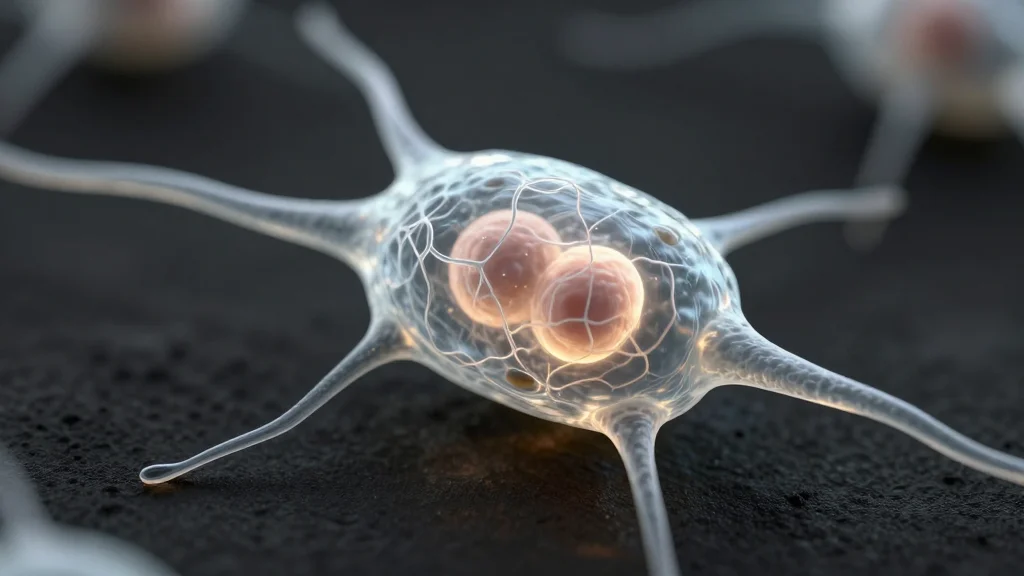
The discovery that cytoskeletal components reside in the nucleus overturns a long‑standing view that these proteins function solely in the cell’s structural scaffold. By separating nuclear and cytoplasmic fractions of mouse and human neural stem cells, the Helmholtz Munich team identified dozens of such proteins, with MAP1B standing out for its abundance and disease relevance. This nuclear presence links the mechanical framework of the cell to the regulation of gene expression, suggesting a direct conduit between cellular architecture and developmental programming.
In-depth experiments showed that MAP1B’s compartmentalized activity produces opposite outcomes: in the cytoplasm it promotes neuronal differentiation, whereas in the nucleus it reinforces the stem‑cell identity. Using CRISPR‑engineered brain organoids carrying patient‑derived MAP1B mutations, researchers observed heightened nuclear MAP1B, mis‑positioned neurons, and altered binding of the BAF chromatin‑remodeling complex to genes governing cell fate and migration. These molecular shifts explain why periventricular heterotopia manifests as misplaced neurons, implicating early stem‑cell mis‑specification rather than a pure migration defect.
The broader implication is that many cytoskeletal proteins may moonlight in the nucleus, orchestrating developmental cues across cell types. Future studies will map this hidden proteome, assess its relevance in other stem‑cell systems, and explore therapeutic strategies that correct nuclear mislocalization. By redefining how we classify neurodevelopmental disorders—focusing on timing and regulatory errors as well as final cell placement—this research opens avenues for more precise diagnostics and targeted interventions.
MAP1B reveals unexpected role for cytoskeletal proteins in brain development
Comments
Want to join the conversation?
Loading comments...