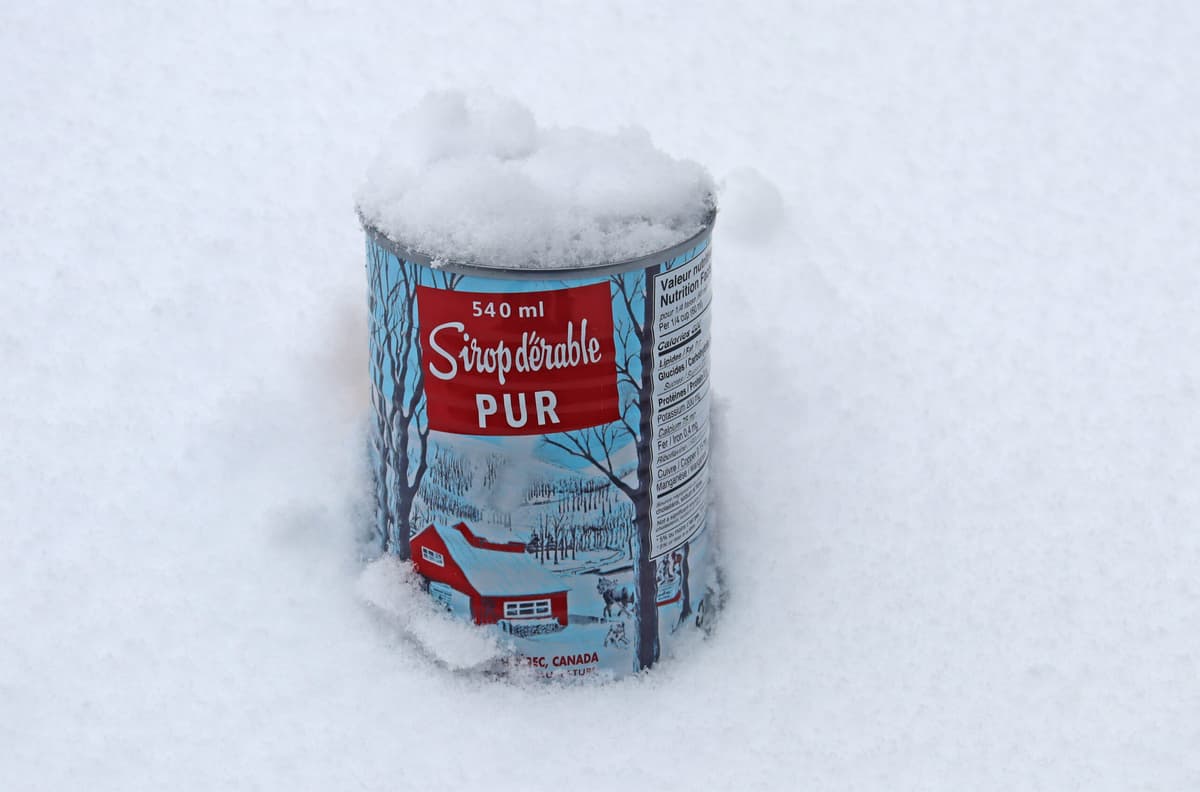
Maple: From Soil to Syrup
Why It Matters
The chair bridges critical data gaps, enabling growth of Canada’s lucrative maple sector while protecting forest ecosystems and supporting multiple stakeholder interests.
Key Takeaways
- •Maple syrup sector adds ~$740 M USD to Canada’s GDP
- •Université Laval created a research chair with Quebec producers
- •Chair focuses on ecosystem health, tourism, and forestry balance
- •Training next‑generation experts to drive sustainable maple production
Pulse Analysis
Canada’s maple syrup industry, long celebrated for its cultural heritage, now faces a pivotal transition. While the sector generates close to $740 million USD annually and supports thousands of jobs, the lack of rigorous scientific research hampers efforts to optimize yields and safeguard the sugar‑bush ecosystem. Climate variability, pest pressures, and competing land uses intensify the need for data‑driven management strategies that can reconcile economic objectives with environmental stewardship.
The newly minted Research Chair at Université Laval, co‑funded by the Producteurs et productrices acéricoles du Québec, embodies a collaborative model that unites academia, industry, government agencies, and First Nations. By leveraging interdisciplinary expertise—from forest ecology to agronomy and remote sensing—the chair will generate actionable insights on sap flow dynamics, soil health, and biodiversity impacts. This partnership also ensures that Indigenous knowledge and recreational interests are woven into sustainable forest‑management frameworks, fostering a holistic approach that respects the multiple values of Canada’s sugar‑bush landscapes.
Looking ahead, the chair’s research agenda promises to unlock innovations such as precision tapping technologies, climate‑resilient cultivar development, and policy tools that balance commercial extraction with conservation goals. Training the next generation of scientists and practitioners equips the sector with the expertise needed to navigate regulatory changes and market expansion. As global demand for natural sweeteners rises, Canada’s ability to scale production responsibly could solidify its position as a world‑leading maple syrup supplier, delivering economic benefits while preserving the forest for future generations.
Maple: from soil to syrup
Comments
Want to join the conversation?
Loading comments...