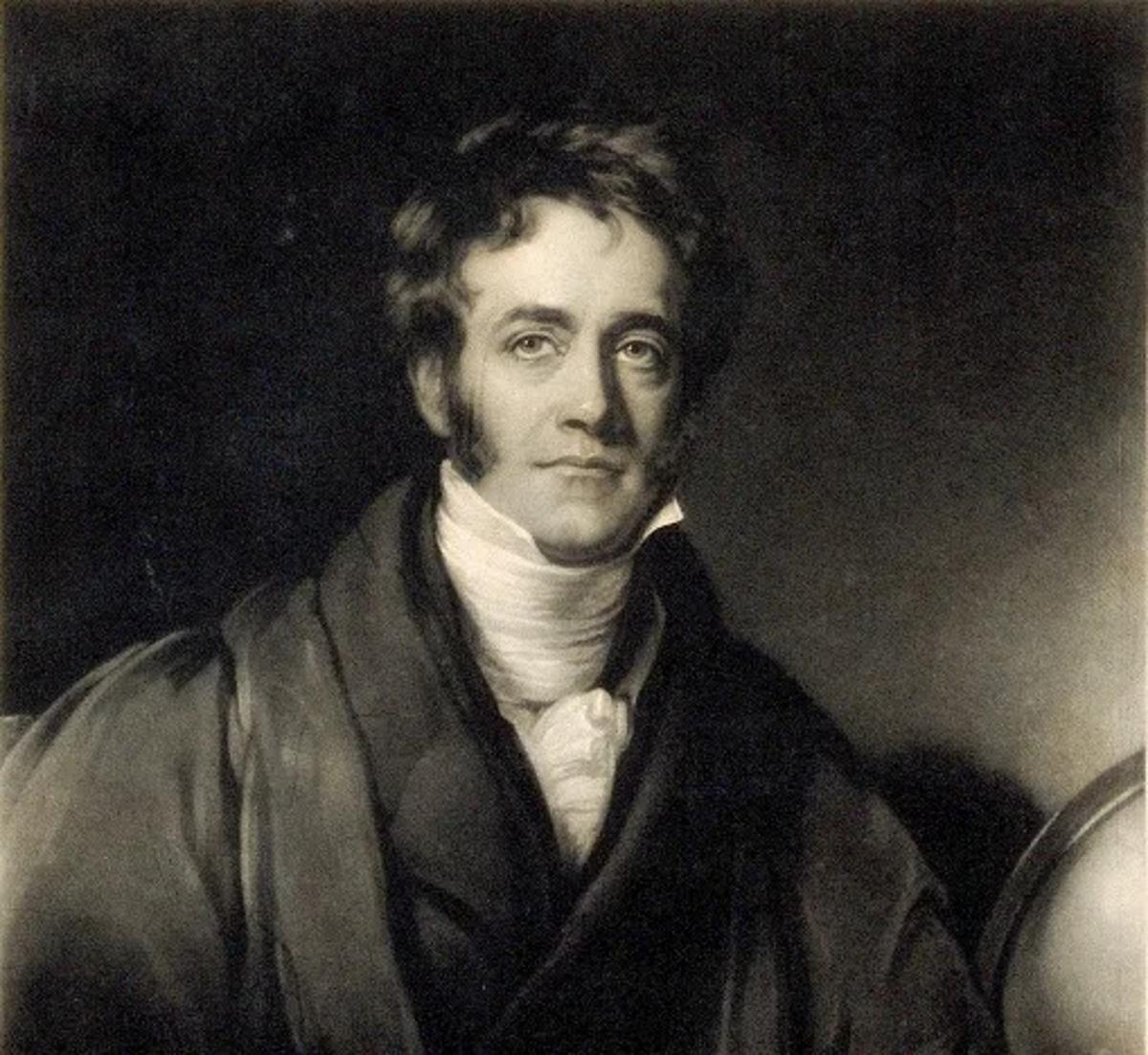
Why It Matters
Herschel’s southern sky survey filled a critical gap in astronomical mapping, enabling future celestial navigation and research. His interdisciplinary innovations in solar physics and photography set foundations for modern observational science.
Key Takeaways
- •Born 1792, son of William Herschel.
- •Co‑authored double‑star catalog with James South.
- •Mapped Southern Hemisphere skies during 1834‑38 South Africa expedition.
- •Pioneered solar radiation measurements and early photography.
- •Created General Catalog of Nebulae, precursor to NGC.
Pulse Analysis
John Herschel emerged at a pivotal moment in 19th‑century science, inheriting his father William’s astronomical legacy while forging his own path. A Cambridge mathematics graduate, he quickly entered the professional sphere, helping to establish the Royal Astronomical Society in 1820. His early work, notably the double‑star catalog compiled with James South, demonstrated a rigorous approach to stellar classification that would influence subsequent generations of astronomers.
The 1834‑38 South African expedition marked a watershed in celestial cartography. By systematically observing the previously under‑documented Southern Hemisphere, Herschel produced star charts that corrected positional errors and introduced new nebular entries. These observations fed directly into the General Catalog of Nebulae and Clusters, a cornerstone reference that later evolved into the modern New General Catalogue (NGC). Contemporary sky surveys still trace their lineage to Herschel’s meticulous methodology and geographic reach.
Beyond mapping, Herschel’s curiosity spanned solar physics and the nascent field of photography. His measurements of solar radiation contributed early quantitative data on solar output, informing later studies of solar variability. Simultaneously, he experimented with light‑sensitive chemicals, laying groundwork for photographic processes that would revolutionize scientific documentation. Collectively, his interdisciplinary achievements cemented his reputation, earning a baronetcy and ensuring that his contributions remain integral to today’s astronomical research and imaging technologies.
March 7, 1792: The birth of John Herschel
0
Comments
Want to join the conversation?
Loading comments...