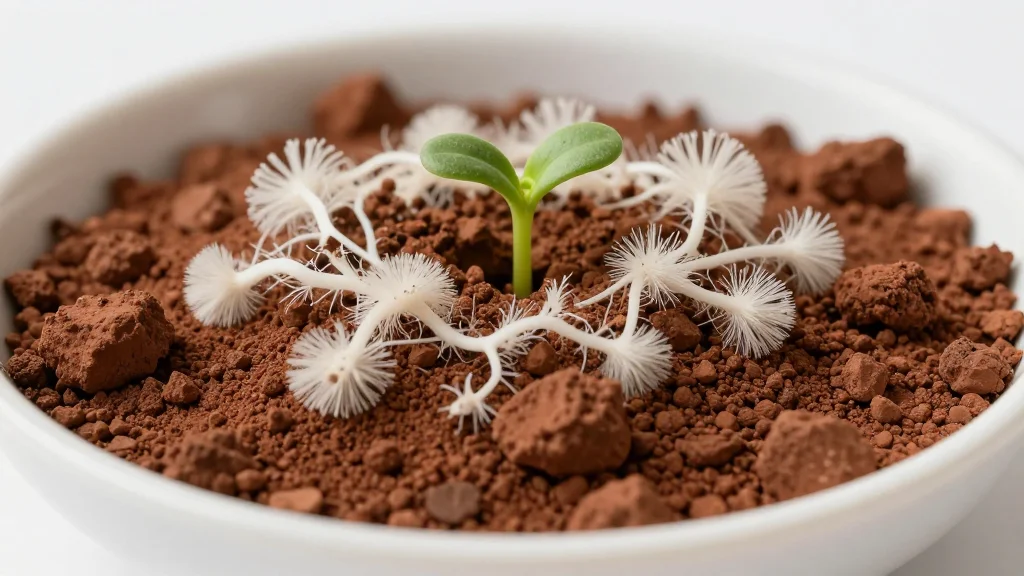
Mars Fungi Could Make Red Planet Regolith Fertile for Crops
Why It Matters
Enabling on‑site food production reduces launch mass and cost, a critical factor for sustainable human presence on the Moon and Mars.
Key Takeaways
- •Beneficial fungi can mobilize nitrogen, phosphorus, potassium in regolith.
- •AMF act as root extensions, easing plant stress in alien soils.
- •ISRU with fungi could slash Earth‑to‑Mars food shipment costs.
- •Trichoderma and Glomeromycota improve regolith’s physical structure.
- •Early tests grew 27 g duckweed from 1 g cyanobacteria‑treated regolith.
Pulse Analysis
In‑situ resource utilization (ISRU) has become a cornerstone of NASA’s Moon‑to‑Mars architecture, yet the barren regolith of both bodies lacks the essential nutrients plants need. Traditional solutions rely on hauling soil or synthetic fertilizers from Earth, inflating mission budgets and launch mass. Recent research highlights how beneficial fungi—organisms that naturally cycle nutrients on Earth—can transform this inorganic substrate into a biologically active medium, unlocking nitrogen, phosphorus, and potassium that are otherwise absent.
Arbuscular mycorrhizal fungi (AMF) and species such as Trichoderma act as microscopic extensions of plant roots, increasing surface area for nutrient absorption and mitigating abiotic stresses like extreme temperature swings and radiation. Experiments aboard the International Space Station have already demonstrated fungal resilience in microgravity, and laboratory simulations using Martian regolith analogs show promising growth of duckweed when paired with cyanobacteria. These microbes also secrete organic acids that alter the regolith’s physical structure, improving water retention and aeration—critical factors for crop viability on another planet.
The strategic impact is profound: by integrating fungal bio‑enhancers, future habitats could produce food locally, slashing resupply costs and enhancing crew autonomy. This approach aligns with commercial lunar initiatives and private Mars ventures seeking sustainable life‑support systems. While real‑world trials with authentic Martian soil remain pending, the roadmap is clear—further testing, scaling of fungal inoculants, and integration with hydroponic or aeroponic platforms will be the next milestones toward a self‑sufficient extraterrestrial agriculture ecosystem.
Mars fungi could make red planet regolith fertile for crops
Comments
Want to join the conversation?
Loading comments...