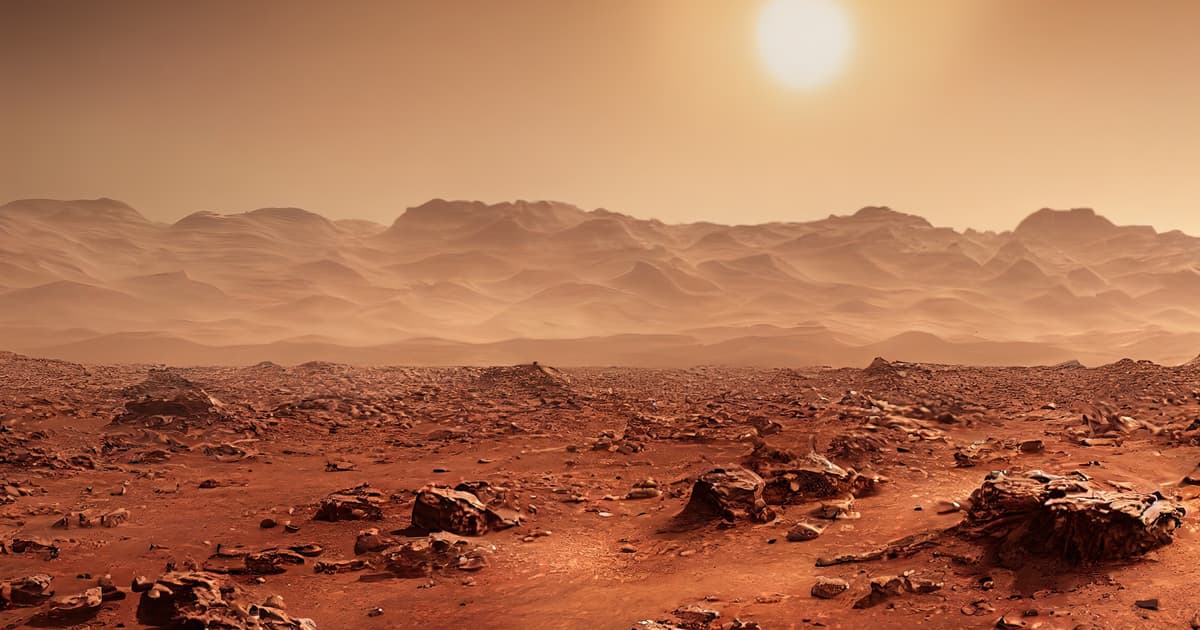
Mars Was Once a Warmer World of Rivers, Lakes and a Thicker Atmosphere, but After Its Internal Dynamo Died and the Planet Lost the Magnetic Shield that Helps Protect an Atmosphere, the Solar Wind Stripped Much of Its Air Away over Billions of Years, Leaving the Cold Desert We See Today
Why It Matters
Understanding Mars’ atmospheric evolution informs models of planetary habitability and guides future exploration strategies, including potential in‑situ resource utilization. It also refines how we assess magnetic field importance for retaining atmospheres on exoplanets.
Key Takeaways
- •River valleys and lake beds confirm liquid water >3.5 billion years ago
- •Debate persists: warm‑wet vs cold‑icy early Mars climate models
- •Dynamo likely persisted until ~3.7–4.2 billion years ago, timing still uncertain
- •MAVEN shows solar wind strips ions; argon isotopes trace loss to space
- •Curiosity found siderite storing tens of millibar CO₂ in Gale crater
Pulse Analysis
The discovery of ancient river valleys, lake basins and water‑formed minerals on Mars provides irrefutable proof that liquid water existed on the surface more than 3.5 billion years ago. This fact fuels a long‑standing debate over the planet’s early climate: some models invoke a dense CO₂‑rich greenhouse atmosphere to keep temperatures above freezing, while others argue for a predominantly cold world punctuated by brief warming events. Resolving this dichotomy is crucial for assessing whether early Mars could have supported microbial life and for comparing its climate history to Earth’s own Hadean and Archean epochs.
Mars’ magnetic dynamo, which likely shut down between 4.2 and 3.7 billion years ago, removed the planet’s primary shield against the solar wind. MAVEN’s measurements of ion escape rates, especially during solar storms, and the argon isotope signatures confirm that a substantial portion of the atmosphere was stripped to space. Yet the relationship between magnetic fields and atmospheric retention is not linear—Venus lacks a global field but retains a thick atmosphere, suggesting that field geometry, solar proximity, and atmospheric composition all interplay. Understanding these nuances helps refine criteria for habitability on exoplanets orbiting active stars.
Recent Curiosity findings of abundant siderite in Gale crater reveal that a non‑trivial fraction of the missing CO₂ is locked in carbonate rocks, accounting for several tens of millibar of atmospheric pressure. While this reservoir does not fully explain the hypothesized one‑bar early atmosphere, it highlights a dual loss pathway: escape to space and sequestration in the crust. Future missions targeting subsurface carbonates and improved palaeomagnetic dating will tighten constraints on Mars’ atmospheric budget, informing both the search for past life and the planning of human missions that may rely on in‑situ resource extraction.
Mars was once a warmer world of rivers, lakes and a thicker atmosphere, but after its internal dynamo died and the planet lost the magnetic shield that helps protect an atmosphere, the solar wind stripped much of its air away over billions of years, leaving the cold desert we see today
Comments
Want to join the conversation?
Loading comments...