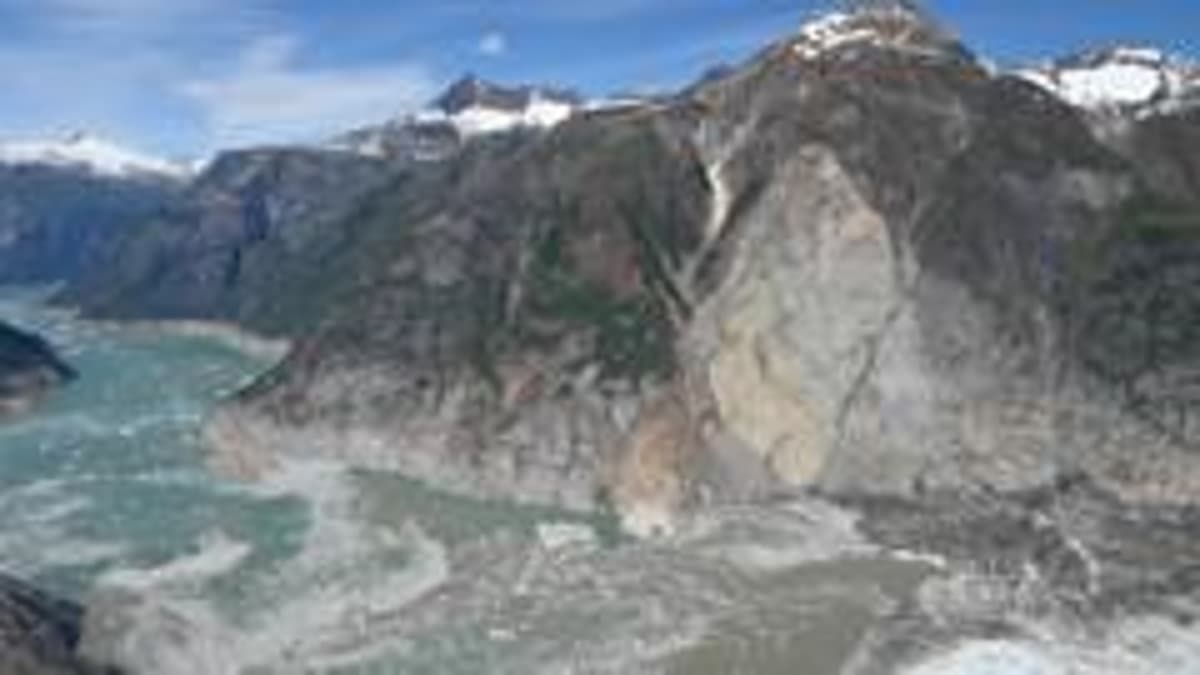
Massive Alaska Megatsunami Was Second Largest Ever Recorded
Why It Matters
The event highlights how climate‑driven glacier retreat amplifies geohazard exposure in Alaska, threatening tourism and coastal communities. It underscores the urgent need for enhanced monitoring and risk mitigation in remote, glacier‑adjacent fjords.
Key Takeaways
- •64 million cubic meters of rock collapsed, creating a ~500‑meter wave
- •The megatsunami ranks second largest ever recorded, after a 1950s event
- •Glacier melt removed ice support, triggering the landslide in Tracy Arm Fjord
- •Increased cruise tourism heightens exposure to sudden megatsunami hazards in Alaska
- •Scientists urge expanded monitoring as frequency may be ten times higher
Pulse Analysis
The Alaska megatsunami illustrates a growing class of climate‑linked geophysical threats. As glaciers retreat, they no longer buttress steep mountain faces, allowing massive rock masses to fail when even modest seismic tremors occur. The 2023 Tracy Arm event, driven by a 64‑million‑cubic‑metre landslide, generated a wave approaching 500 metres—comparable only to the legendary 1950s megatsunami. This underscores how warming temperatures can transform traditionally stable landscapes into sources of sudden, high‑energy hazards.
Beyond the scientific intrigue, the incident raises immediate concerns for the burgeoning cruise‑ship industry that markets Alaska’s pristine fjords. Tour operators have already rerouted vessels away from Tracy Arm, acknowledging that the allure of remote scenery now carries a tangible safety risk. As visitor numbers climb, the probability that a future landslide will intersect a populated cruise itinerary rises, prompting operators to reassess route planning, emergency protocols, and insurance coverage.
Policymakers and researchers are responding by calling for a network of real‑time monitoring systems—seismic stations, satellite interferometry, and on‑site GPS—to detect early signs of slope instability. Integrating these data streams can provide advance warnings, potentially saving lives and infrastructure. Moreover, the event serves as a case study for other glacier‑rich regions worldwide, where similar dynamics may unfold as climate change accelerates ice loss. Proactive investment in hazard mapping and community preparedness will be essential to mitigate the amplified risk of megatsunamis in the coming decades.
Massive Alaska megatsunami was second largest ever recorded
Comments
Want to join the conversation?
Loading comments...