Massive Booms Shook the East Coast for over 300 Years. Scientists Finally Found the Source of the Sonic Explosions.
Why It Matters
The discovery highlights hidden methane reservoirs in glacial lakes, a potential climate and safety concern, and provides a scientific explanation for a historic regional mystery.
Key Takeaways
- •Methane bubbles erupt from Seneca Lake’s bed, creating cannon‑like booms
- •Sonar survey uncovered 144 craters up to 30 ft deep on lake floor
- •Researchers confirmed 19th‑century gas‑explosion theory with modern samples
- •Lake’s 4.2 trillion‑gallon volume amplifies bubble‑burst shockwaves
- •Booms have been recorded since the 1700s across the East Coast
Pulse Analysis
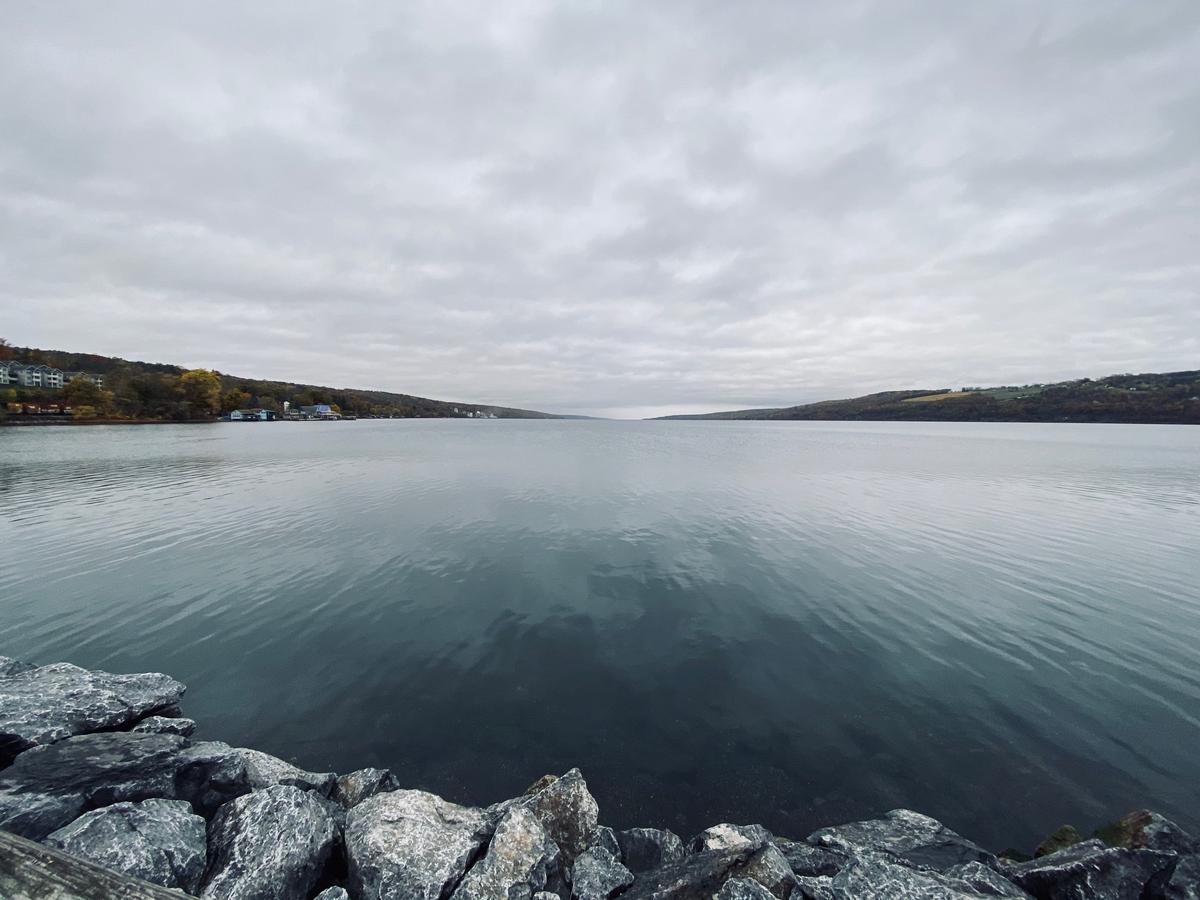
The “Seneca guns” have haunted residents of upstate New York for more than three centuries, spawning folklore that ranged from angry spirits to alien craft. Descriptions of deep, resonant booms echoing across the Finger Lakes appear in colonial journals, 19th‑century travelogues and even James Fenimore Cooper’s short story “The Lake Gun.” Modern social‑media posts have kept the mystery alive, with witnesses reporting the same instantaneous thud from New Jersey to Florida. This persistent acoustic anomaly turned the tranquil lake into a regional curiosity, prompting scientists to finally probe its source.
In the spring of 2023 a joint team from SUNY’s College of Environmental Science and Forestry and Cornell University repurposed a sonar survey originally intended to locate historic shipwrecks. The acoustic mapping revealed a field of 144 circular depressions, each roughly 30 feet deep and 400 feet across, scattered across the lakebed. Sediment cores extracted from these pits contained elevated concentrations of methane and other hydrocarbons. Laboratory tests confirmed that pressure‑built methane bubbles can rise through the water column, burst at the surface, and generate shockwaves loud enough to be heard hundreds of miles away. The results vindicate early hypotheses by geologists Herman Fairchild and William Ahrnsbrak.
The Seneca Lake case underscores a broader environmental issue: glacial lakes can trap vast quantities of methane, a greenhouse gas with a global warming potential over 25 times that of carbon dioxide over a 100‑year horizon. While the lake’s booms pose no immediate health threat, sudden releases could affect water quality and local ecosystems. Monitoring programs that combine high‑resolution sonar, gas sampling, and real‑time acoustic sensors are now being considered for similar basins worldwide, from Canada’s Great Lakes to Russia’s Lake Baikal. Understanding these natural gas vents not only resolves historic mysteries but also informs climate‑risk assessments and lake‑management strategies.
Massive Booms Shook the East Coast for over 300 Years. Scientists Finally Found the Source of the Sonic Explosions.
Comments
Want to join the conversation?
Loading comments...