Why It Matters
ISON’s breakup underscored the difficulty of forecasting comet survivability, while the rich dataset improves models of comet behavior and guides future mission planning.
Key Takeaways
- •Discovered by Russian astronomers in Sep 2012, named after International Scientific Optical Network
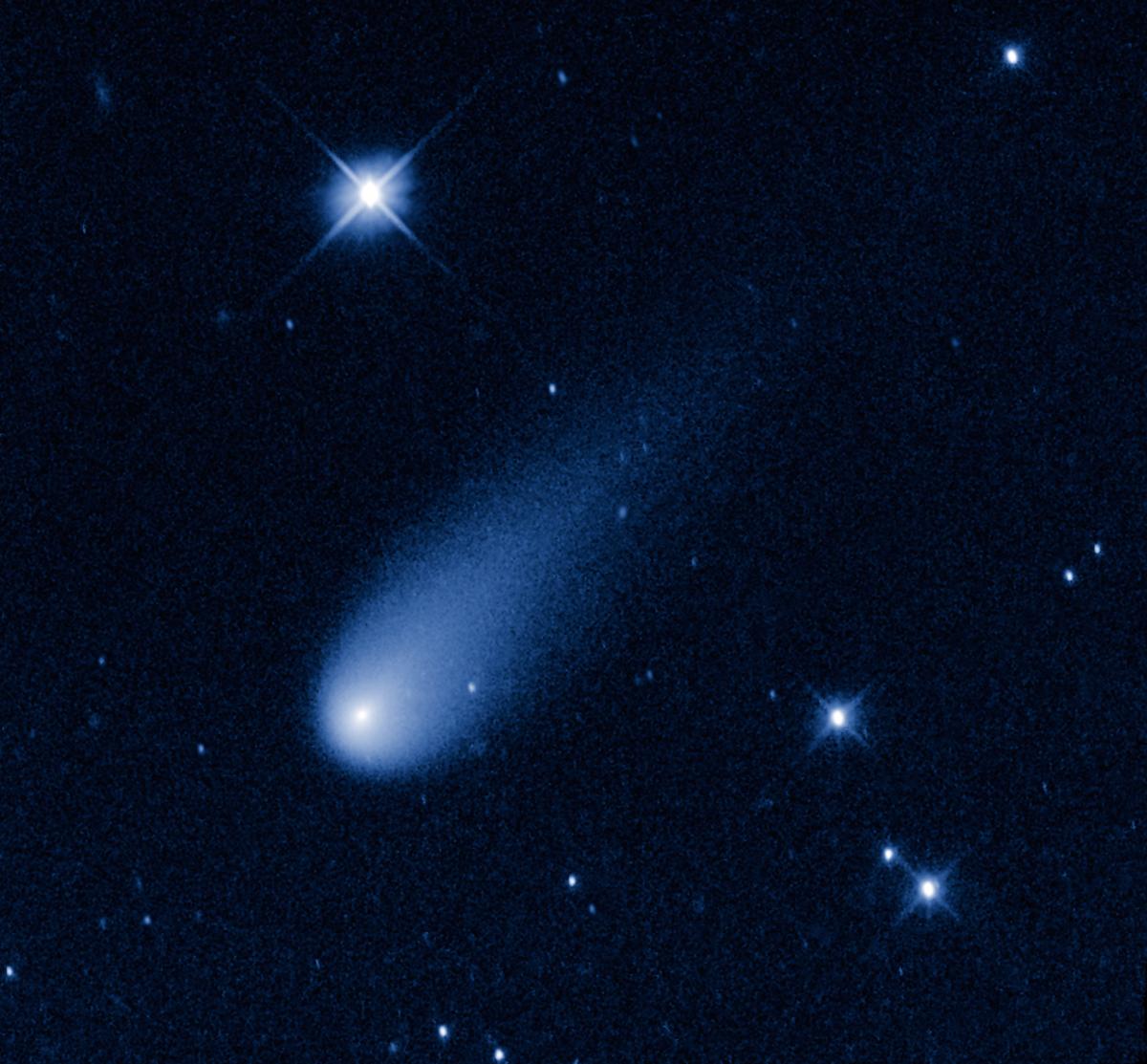
- •Hubble’s May 8 2013 imaging covered 34,000 miles in 43 minutes, 403 million miles from Earth
- •ISON fragmented and fully shattered 3.5 hours before perihelion, never became visible
- •Multi‑instrument observations delivered unprecedented compositional and solar‑interaction data
Pulse Analysis
The arrival of comet ISON sparked excitement across the astronomical community because it originated from the distant Oort Cloud, a reservoir of icy bodies that rarely venture into the inner solar system. Its relatively large, kilometer‑scale nucleus offered a rare chance to study a pristine cometary sample before solar heating altered its makeup. The discovery by the International Scientific Optical Network highlighted the growing role of collaborative, ground‑based surveys in spotting potentially significant celestial events well in advance.
When ISON approached the Sun, NASA and ESA mobilized a coordinated campaign that leveraged space‑based assets such as Hubble, SOHO, and the International Space Station, alongside dozens of ground observatories. Hubble’s May 8 2013 sequence captured the comet traveling 34,000 miles in just 43 minutes, providing high‑resolution imagery of its coma and tail at a distance of 403 million miles from Earth. The multi‑wavelength observations—spanning ultraviolet, visible, and infrared bands—generated a comprehensive profile of the comet’s dust, gas emissions, and nucleus structure, data that will serve as a benchmark for future comet studies.
Although ISON disintegrated hours before perihelion, the episode delivered valuable lessons for planetary science and mission design. The fragmentation revealed gaps in existing thermal‑stress models, prompting researchers to refine predictions of comet survivability under extreme solar conditions. Moreover, the rapid, global response demonstrated the effectiveness of real‑time data sharing platforms, setting a template for future transient events such as asteroid flybys or interstellar objects. As a result, ISON’s legacy endures not in a spectacular sky show, but in the deeper scientific understanding and collaborative frameworks it helped forge.
May 8, 2013: The promise of Comet ISON
Comments
Want to join the conversation?
Loading comments...