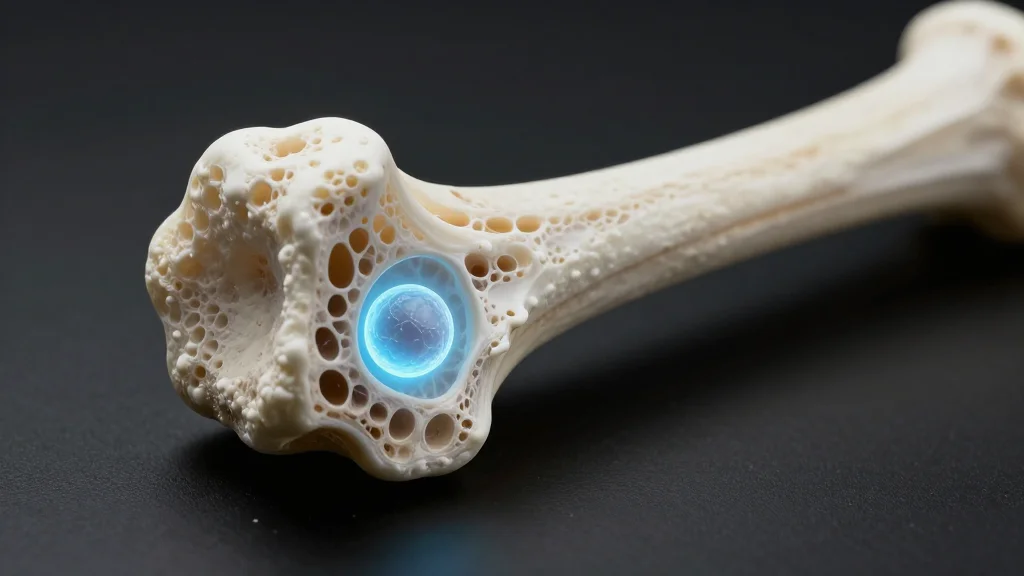
Mcu Controls Bone Growth Through Mitochondrial Calcium
Why It Matters
By revealing a metabolic lever that governs skeletal cell fate, the discovery opens a new therapeutic avenue beyond traditional anti‑resorptive drugs, potentially delivering more effective bone regeneration. It also positions mitochondrial calcium handling as a target for precision medicine in age‑related bone loss.
Key Takeaways
- •Mcu loss reduces mitochondrial calcium, impairing osteoblast differentiation.
- •Mcu deficiency shifts mesenchymal stem cells toward adipocyte lineage.
- •Reduced mitochondrial calcium hampers TCA cycle enzymes, lowering ATP.
- •Mice lacking osteoprogenitor Mcu show lower bone mass and higher marrow fat.
- •Targeting Mcu offers a metabolic route for anabolic bone therapies.
Pulse Analysis
The mitochondrial calcium uniporter (Mcu) has emerged as a pivotal conduit for calcium ions entering the mitochondrial matrix, directly influencing cellular bioenergetics. In bone biology, this influx fine‑tunes the tricarboxylic acid cycle, ATP synthesis, and reactive‑oxygen‑species signaling, all of which are essential for mesenchymal stem cells to commit to the osteoblast lineage. By integrating high‑resolution calcium imaging with transcriptomic and metabolomic profiling, researchers have mapped how Mcu activity orchestrates a metabolic program that underlies robust bone formation.
Therapeutically, Mcu represents a novel target that could complement or surpass existing osteoporosis treatments, which primarily inhibit bone resorption or stimulate bone formation through hormonal pathways. Pharmacologic agents or gene‑editing tools that enhance Mcu function may restore the metabolic milieu required for osteoblast differentiation, offering a more precise, metabolism‑centric approach. Moreover, ex vivo manipulation of Mcu in stem‑cell preparations could boost their osteogenic potential, improving outcomes for patients with non‑union fractures or large bone defects.
Beyond skeletal health, the principles uncovered extend to other regenerative contexts where mitochondrial calcium signaling governs cell fate, such as muscle regeneration and neural repair. Understanding how mechanical loading, hormones, or nutrition modulate Mcu activity could inform lifestyle interventions that naturally support bone integrity. As personalized‑medicine frameworks evolve, tailoring Mcu‑directed therapies to individual metabolic profiles may become a cornerstone of next‑generation treatments for degenerative diseases.
Mcu Controls Bone Growth Through Mitochondrial Calcium
Comments
Want to join the conversation?
Loading comments...