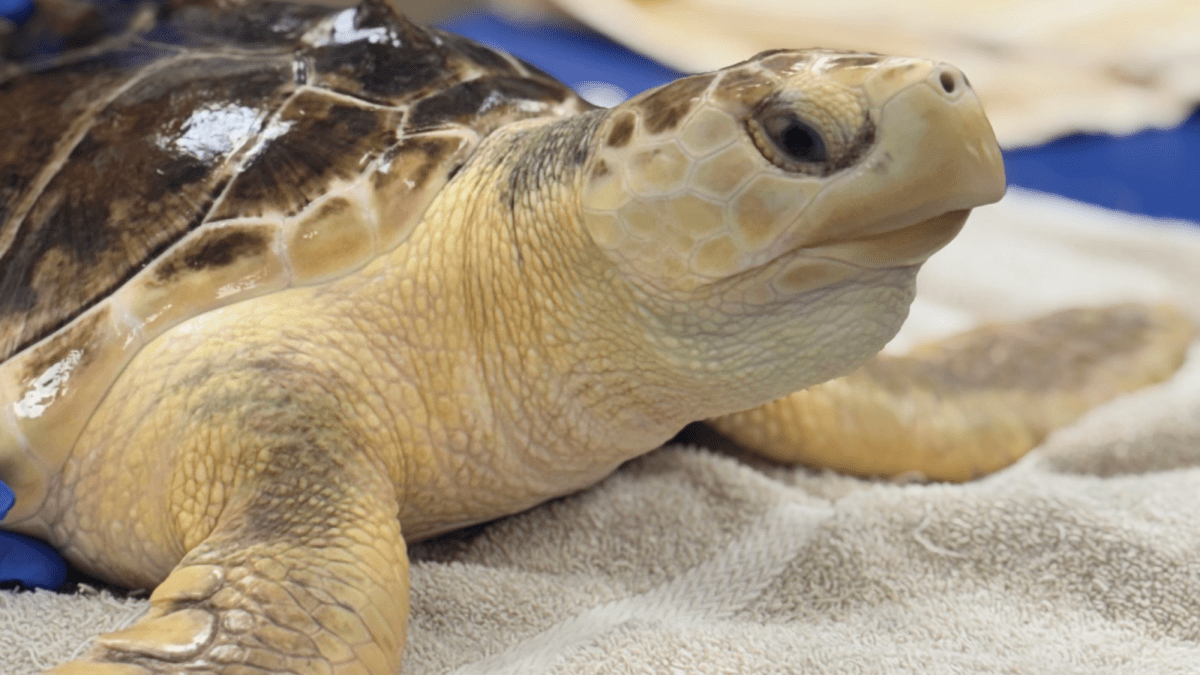
Meet Earl Grey, the Sea Turtle with a Wild Family Tree
Why It Matters
Hybrid turtles reveal how overlapping habitats and climate stress may reshape marine species, providing data that can guide adaptive conservation policies.
Key Takeaways
- •Earl Grey is a first‑generation Kemp’s ridley × loggerhead hybrid.
- •Hybridization occurs where species ranges intersect, but data remain scarce.
- •Genetic testing confirmed the hybrid, prompting calls for broader screening.
- •Hybrid turtles could boost genetic diversity for endangered sea‑turtle populations.
- •Cold‑stunning incidents increase rescue opportunities, highlighting climate impacts.
Pulse Analysis
Hybrid sea turtles have long been a curiosity for marine biologists, but documented cases are scarce. Earl Grey, a first‑generation cross between a Kemp’s ridley and a loggerhead, surfaced after a cold‑stunning event—a sudden temperature drop that immobilizes turtles. Genetic testing at the Georgia Sea Turtle Center confirmed his mixed lineage, underscoring how modern diagnostic tools can uncover hidden biodiversity in rehabilitation settings. This discovery adds a tangible data point to the broader scientific conversation about interspecies breeding in the ocean.
From a conservation standpoint, hybrids like Earl Grey may act as genetic bridges between vulnerable populations. Kemp’s ridleys are listed as critically endangered, nesting only in Texas and Mexico, while loggerheads enjoy a broader range. The infusion of loggerhead genes could introduce new traits that enhance resilience to threats such as habitat loss, pollution, and climate‑induced temperature shifts. Researchers therefore advocate for routine genetic screening of rescued turtles, arguing that a more complete picture of hybrid prevalence will inform targeted management plans and potentially bolster the genetic health of endangered stocks.
The emergence of hybrid turtles also signals broader ecological shifts driven by warming seas and altered migration corridors. As species’ ranges overlap more frequently, hybridization may become a natural response to changing ocean conditions. Policymakers and marine NGOs can leverage these insights to design adaptive protection measures, such as flexible nesting site designations and cross‑jurisdictional monitoring programs. Public interest stories like Earl Grey’s also raise awareness, encouraging support for marine conservation funding and fostering a deeper appreciation for the complex dynamics shaping ocean life.
Meet Earl Grey, the sea turtle with a wild family tree
Comments
Want to join the conversation?
Loading comments...