Mega-Tsunami Threat Looms as Cascadia Fault Builds Toward 9.0 Quake, Experts Warn
Why It Matters
The imminent megathrust poses massive economic, safety and insurance risks for the entire Pacific rim, demanding urgent mitigation and preparedness measures.
Key Takeaways
- •15% chance of rupture within 50 years
- •29% chance of rupture by 2100
- •Potential magnitude 9.0 earthquake
- •Tsunami heights estimated 100‑1000 feet
- •Coastal infrastructure at extreme risk
Pulse Analysis
The Cascadia Subduction Zone, a 1,000‑mile megathrust off the Pacific Northwest, has been silently accumulating strain since the 1700 A.D. quake that generated a trans‑Pacific tsunami. Recent probabilistic modeling published in PNAS quantifies that strain as a 15% likelihood of a major rupture in the next half‑century and a 29% chance by the end of the century. These figures underscore a shift from speculative to data‑driven risk assessment, prompting policymakers to treat Cascadia as a ticking time bomb rather than a distant possibility.
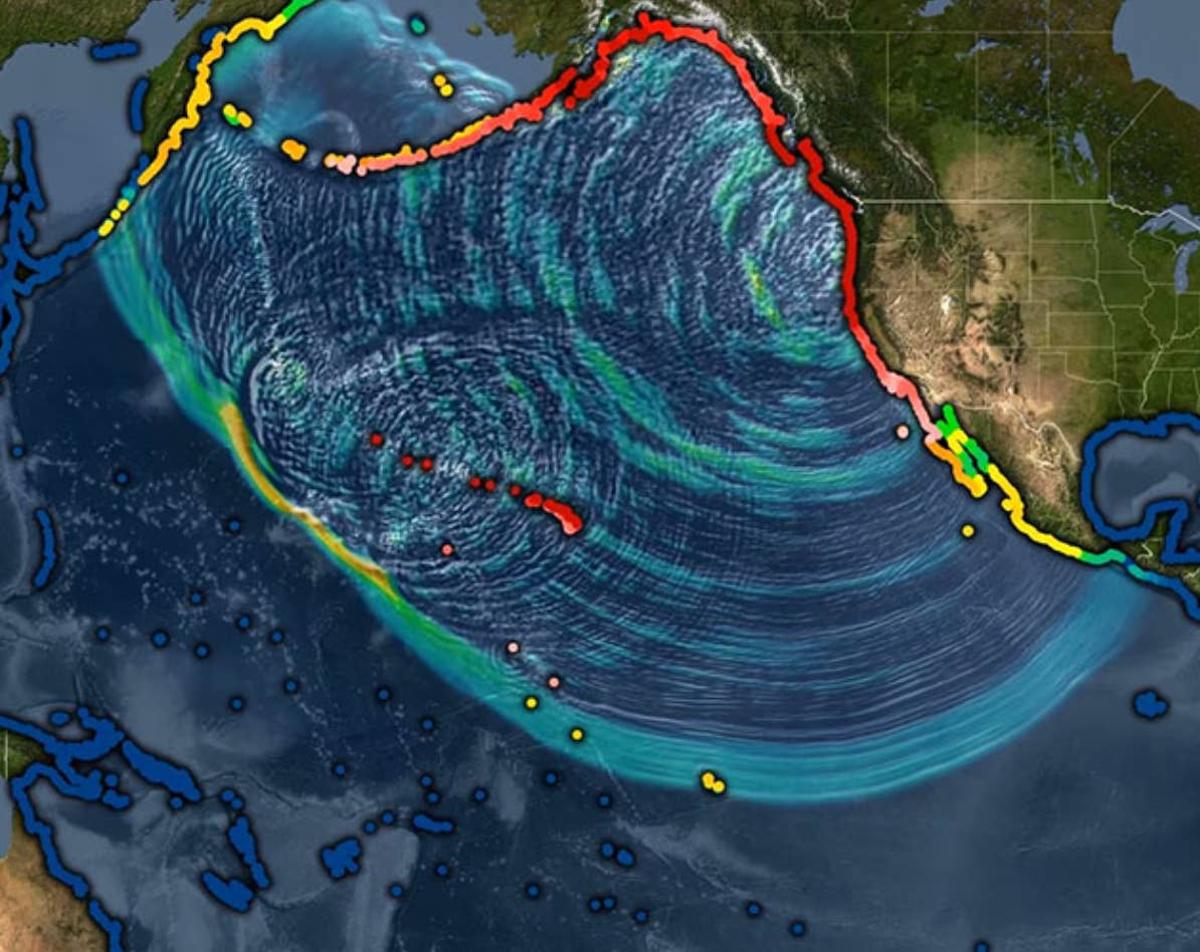
If the fault finally releases, a magnitude‑9.0 earthquake would dwarf the 1906 San Francisco shock, releasing roughly 45 times more energy. The seismic shaking alone would cripple bridges, pipelines and power grids across Washington, Oregon and northern California. Simultaneously, abrupt seafloor displacement could spawn tsunamis ranging from 100 to 1,000 feet, echoing the 2011 Fukushima event that devastated Japan. Such waves would race across the Pacific, endangering not only U.S. coasts but also Hawaii, British Columbia and even Japanese ports, creating a multi‑national humanitarian and economic crisis.
Preparedness now hinges on early‑warning technology, resilient building codes, and coordinated evacuation routes. Federal and state agencies are expanding the West Coast and Alaska Tsunami Warning System, while insurers reassess exposure to catastrophic loss. Investment in retrofitting critical infrastructure and public education on high‑ground access can dramatically reduce casualties. As the probability curve climbs, the business community, urban planners and emergency managers must integrate Cascadia’s seismic threat into long‑term resilience strategies, turning scientific insight into actionable protection.
Mega-Tsunami Threat Looms as Cascadia Fault Builds Toward 9.0 Quake, Experts Warn
Comments
Want to join the conversation?
Loading comments...