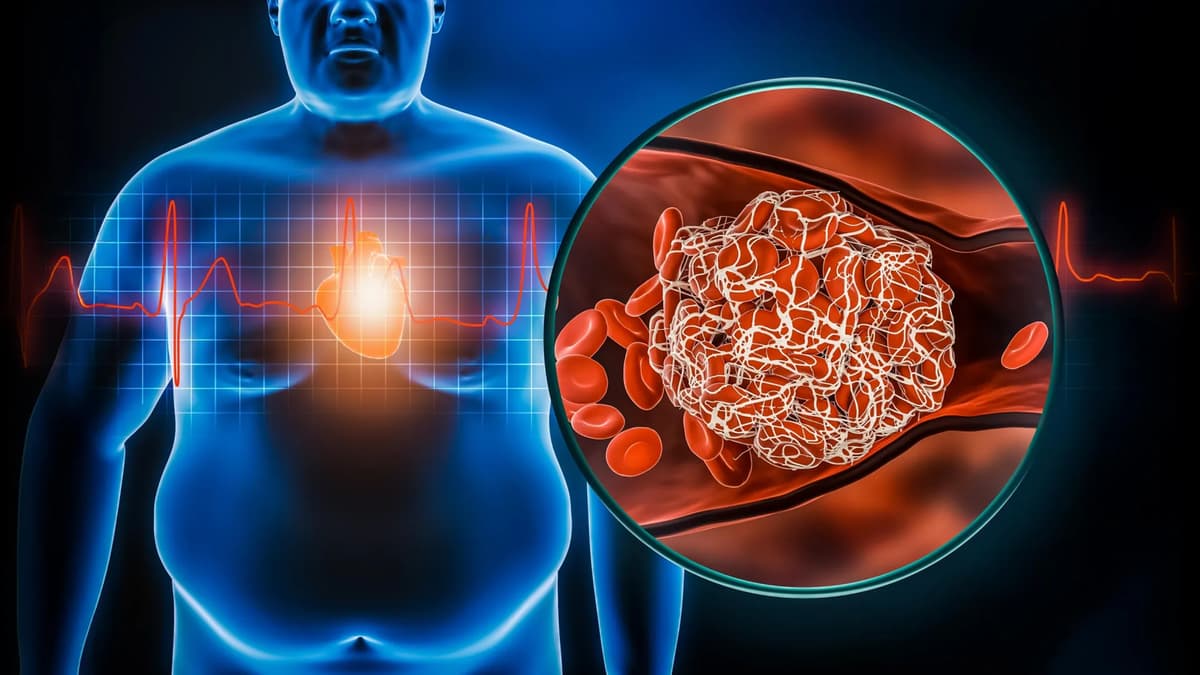
Men and Women with Obesity Face Very Different Hidden Health Risks
Why It Matters
Sex‑specific obesity risks mean clinicians must tailor prevention and therapy, potentially improving outcomes and reducing cardiovascular disease across both genders.
Key Takeaways
- •Men with obesity show higher visceral fat and liver enzyme levels
- •Women with obesity exhibit greater inflammation and higher LDL cholesterol
- •Sex‑specific fat distribution drives distinct cardiovascular risk profiles
- •Findings suggest need for gender‑tailored obesity treatment strategies
- •Study limited to Turkish cohort; broader validation required
Pulse Analysis
Obesity remains a global health crisis, affecting roughly 650 million adults in the United States alone and driving a surge in cardiovascular disease, type 2 diabetes, and metabolic syndrome. While the condition is common to both sexes, mounting evidence shows that men and women do not experience its complications uniformly. Hormonal influences, patterns of fat deposition, and immune responses create divergent risk pathways, meaning that a one‑size‑fits‑all approach to treatment may overlook critical sex‑specific vulnerabilities. Understanding these biological nuances is essential for clinicians aiming to curb the rising burden of obesity‑related illness.
The recent European Congress on Obesity presented data from Dokuz Eylul University that quantifies these differences. In a cohort of 886 women and 248 men with average BMIs above 36 kg/m², men displayed larger waist circumferences, higher systolic pressure, and elevated liver enzymes (ALT, GGT) and triglycerides, signaling greater visceral fat‑related metabolic strain. Conversely, women showed higher total cholesterol, LDL, and markedly increased inflammatory markers such as C‑reactive protein and erythrocyte sedimentation rate.
These biomarker patterns suggest that men are predisposed to liver and metabolic complications, while women face heightened inflammatory and atherogenic risk. Clinicians can translate these insights into gender‑tailored management plans—prioritizing hepatic monitoring and triglyceride control in men, and aggressive lipid‑lowering plus anti‑inflammatory strategies for women. Health systems should incorporate sex as a stratifying factor in obesity screening algorithms and clinical trials to ensure therapies address distinct pathways. Larger, multi‑ethnic studies will be vital to confirm the findings and to develop precision‑medicine approaches that reduce cardiovascular and metabolic morbidity across both sexes.
Men and women with obesity face very different hidden health risks
Comments
Want to join the conversation?
Loading comments...