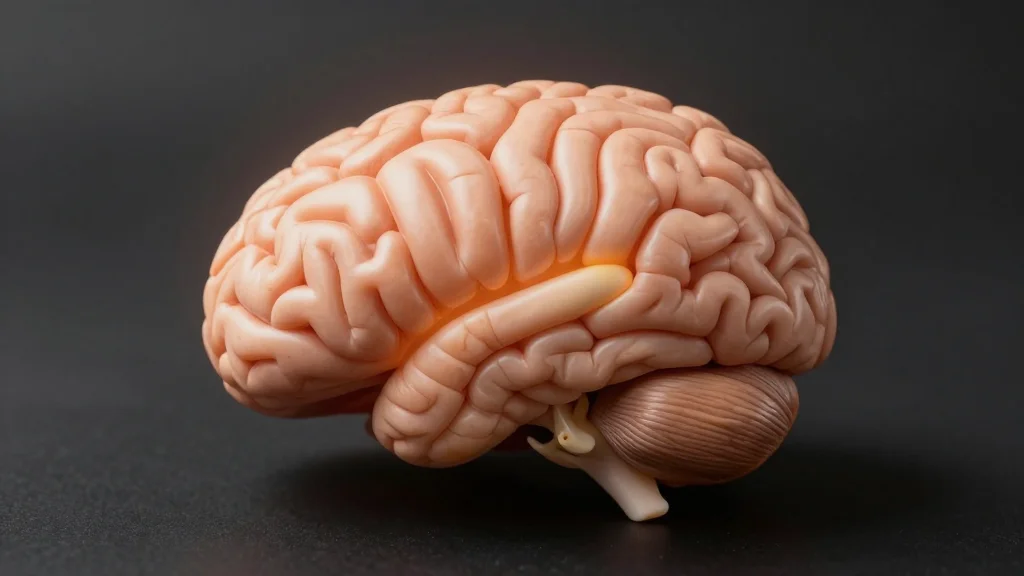
Menopause Literally Changes Brain Structure — Here’s What That Means
Why It Matters
Understanding menopause‑related brain remodeling informs clinical guidelines, hormone‑therapy decisions, and preventive strategies for women’s cognitive health, a growing priority in the aging population.
Key Takeaways
- •Menopause reduces gray matter in frontal, temporal, hippocampal regions
- •White‑matter hyperintensities rise with early menopause and hot flashes
- •Gray matter can partially recover once estrogen levels stabilize
- •Exercise, sleep, Mediterranean diet, and therapy support brain health
Pulse Analysis
The latest meta‑analysis of neuroimaging studies (2020‑2025) paints a nuanced picture of the menopausal brain. While estrogen withdrawal precipitates a measurable dip in gray‑matter volume—particularly in regions governing memory and executive function—researchers also identified a surge in white‑matter hyperintensities, often interpreted as markers of microvascular stress. These structural shifts explain the pervasive "brain fog" reported by many women, but they also underscore the brain’s plasticity; several longitudinal scans showed gray‑matter rebound as hormonal equilibrium returns, highlighting a window for therapeutic intervention.
From a clinical and market perspective, these findings revitalize discussions around hormone‑replacement therapy (HRT) and emerging neuro‑protective agents. The data suggest that timely HRT, when tailored to individual risk profiles, could mitigate vascular stress and support synaptic health, potentially expanding the $1.5 billion global menopause‑treatment market. Moreover, the observed up‑regulation of estrogen receptors hints at novel drug targets that amplify the brain’s intrinsic resilience mechanisms, prompting biotech firms to explore selective estrogen‑receptor modulators aimed at cognitive preservation.
For women navigating this transition, actionable lifestyle choices remain paramount. Regular resistance and aerobic exercise boost cerebral blood flow and neurotrophic factors, while restorative sleep consolidates memory and clears metabolic waste. A Mediterranean‑style diet rich in omega‑3 fatty acids, antioxidants and polyphenols curtails inflammation, and sustained social engagement stimulates neural networks. Integrating these habits with personalized medical guidance can transform menopause from a period of perceived decline into an opportunity for cognitive renewal, ultimately reducing long‑term healthcare costs associated with age‑related neurodegeneration.
Menopause Literally Changes Brain Structure — Here’s What That Means
Comments
Want to join the conversation?
Loading comments...