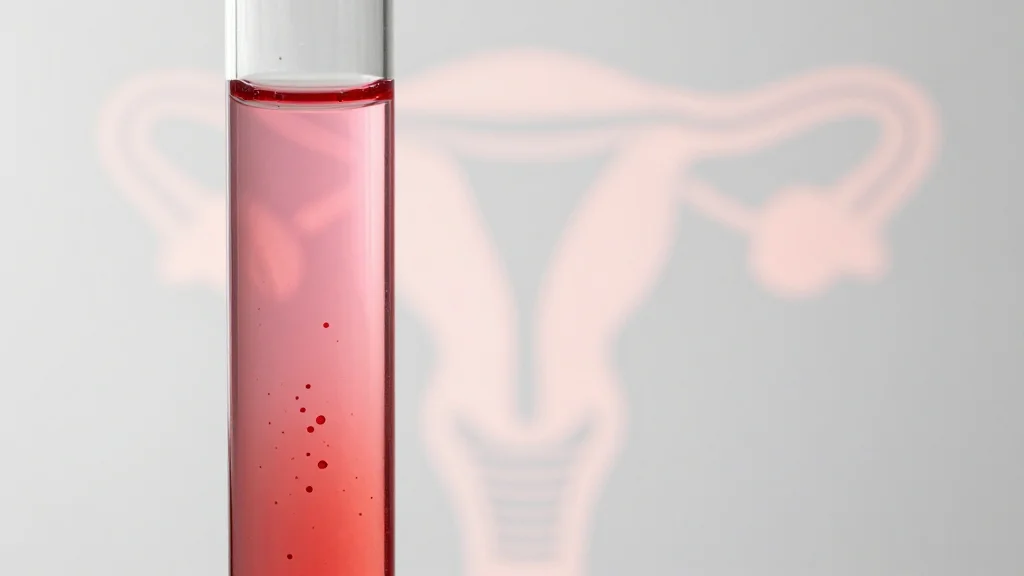
Menstrual Cycle Reshapes Nearly 200 Blood Proteins, Offering a Broader View of Women's Health
Why It Matters
Understanding cyclical protein dynamics offers a biological basis for gender‑specific disease risk and could improve diagnostic accuracy for conditions that disproportionately affect women. It also signals a shift toward personalized, cycle‑timed medical care.
Key Takeaways
- •Study maps ~200 blood proteins fluctuating across menstrual cycle.
- •Protein changes span immune, hormonal, and metabolic pathways.
- •Findings link protein shifts to endometriosis, fibroids, bleeding disorders.
- •Potential biomarkers could improve diagnosis and treatment for women's diseases.
- •Research urges clinicians to consider cycle timing in lab tests.
Pulse Analysis
Proteomic profiling has long been a cornerstone of precision medicine, yet women’s cyclic physiology has remained a blind spot. By leveraging high‑throughput mass spectrometry on serial blood samples from participants throughout a full menstrual cycle, the Aarhus team generated the most comprehensive protein atlas to date. Roughly 200 proteins displayed reproducible, phase‑specific oscillations, highlighting that the menstrual cycle orchestrates a systemic remodeling of the circulatory proteome far beyond estrogen and progesterone fluctuations.
The breadth of affected proteins extends into immune regulation, coagulation, and metabolic signaling, offering a mechanistic bridge to diseases that flare with hormonal cycles. Notably, several proteins tied to endometriosis, uterine fibroids and bleeding disorders showed peak‑phase variations, suggesting that timing of biomarker measurement could influence diagnostic sensitivity. This insight opens avenues for developing cycle‑aware assays that differentiate pathological signals from normal physiological ebb and flow, potentially reducing misdiagnosis and accelerating therapeutic interventions for millions of women.
Clinicians and researchers are now urged to incorporate menstrual timing into study designs and routine lab ordering. Adjusting sample collection to specific cycle phases could standardize reference ranges, improve reproducibility, and enhance the predictive power of blood‑based tests. Moreover, the identified protein signatures may serve as a foundation for novel therapeutic targets, ushering in a new era of personalized women’s healthcare that aligns treatment strategies with the body’s natural rhythms. Continued longitudinal studies will be essential to translate these findings into actionable clinical tools.
Menstrual cycle reshapes nearly 200 blood proteins, offering a broader view of women's health
Comments
Want to join the conversation?
Loading comments...