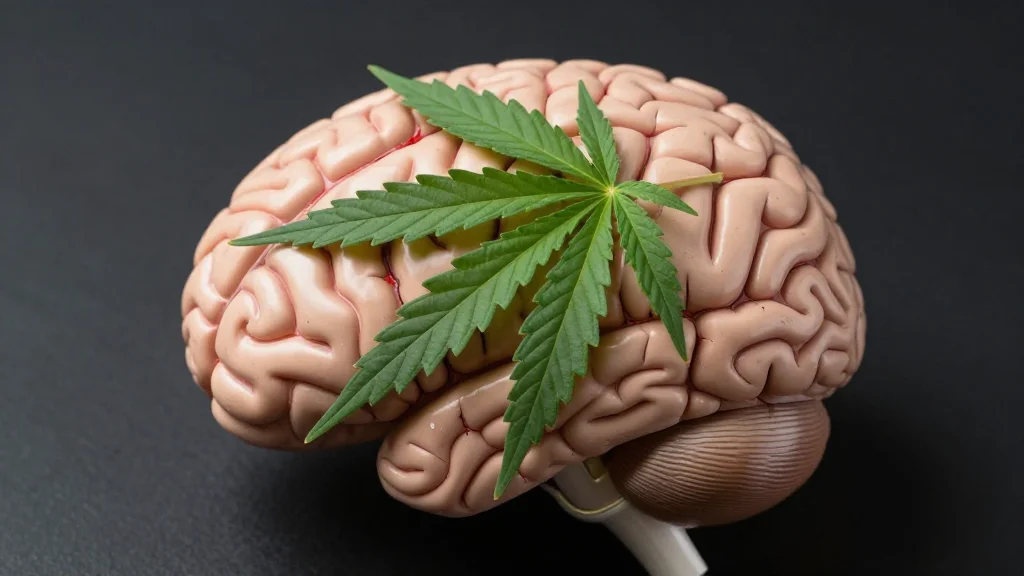
Mental Health Risks of Cannabis Addiction Depend Heavily on Age
Why It Matters
The age‑specific risk profile reshapes how policymakers, clinicians, and the cannabis industry approach prevention, treatment, and regulation, emphasizing stronger safeguards for youth.
Key Takeaways
- •Adolescents with cannabis disorder face 52% higher schizophrenia risk vs other drugs
- •Adult cannabis users show 19% lower schizophrenia incidence than other‑substance users
- •Study analyzed 700,000 records, using propensity matching to isolate drug effects
- •Early exposure: ~10% of addicts began using substances before age 12
- •Policy focus should shift to age‑specific prevention and education
Pulse Analysis
The new propensity‑matched cohort study, published in the American Journal of Psychiatry, examined nearly 700,000 electronic health records to compare cannabis use disorder with other substance addictions. By separating patients into pediatric (≤17) and adult cohorts, researchers uncovered a stark age gradient: teenagers with cannabis dependence were 52 % more likely to develop schizophrenia and faced elevated risks of major depression and anxiety, while adult cannabis users showed modestly lower psychiatric rates than peers addicted to alcohol, cocaine or opioids. These findings arrive as recreational cannabis is now legal in 24 states and D.C., and daily use eclipses alcohol consumption.
The adolescent brain’s endocannabinoid system reaches peak receptor density during the teen years, making it especially vulnerable to exogenous cannabinoids. Disruption of pre‑frontal maturation can accelerate psychosis pathways, which may explain the heightened schizophrenia odds observed in the study. For policymakers, the data argue for age‑targeted messaging, stricter limits on high‑potency products, and school‑based prevention programs that differentiate cannabis from other drugs. Clinicians, too, should screen younger patients with cannabis use disorder for early signs of mood and psychotic disorders.
Despite its scale, the analysis is limited by reliance on diagnostic codes and lack of detail on cannabis potency or consumption patterns. Future research will need granular exposure metrics, longitudinal brain imaging, and controlled trials to untangle causality from self‑medication. For the burgeoning legal market, the study signals a potential liability risk if products are marketed to or inadvertently reach minors. Public‑health officials can leverage these insights to refine regulations, fund youth‑focused mental‑health services, and guide responsible industry practices.
Mental health risks of cannabis addiction depend heavily on age
Comments
Want to join the conversation?
Loading comments...