Why It Matters
Understanding metal reinforcement in scorpion weapons reveals evolutionary strategies that can inspire advanced biomimetic materials, while opening a comparative framework for metal use in other arthropods.
Key Takeaways
- •Zinc concentrates at scorpion stinger tips, manganese follows
- •Pincers show zinc or zinc‑iron mix along cutting edges
- •Metal layers correlate with weapon use, not just hardness
- •Study examined 18 scorpion species, the broadest metal analysis yet
- •Findings may inform metal use research in bees, spiders, wasps
Pulse Analysis
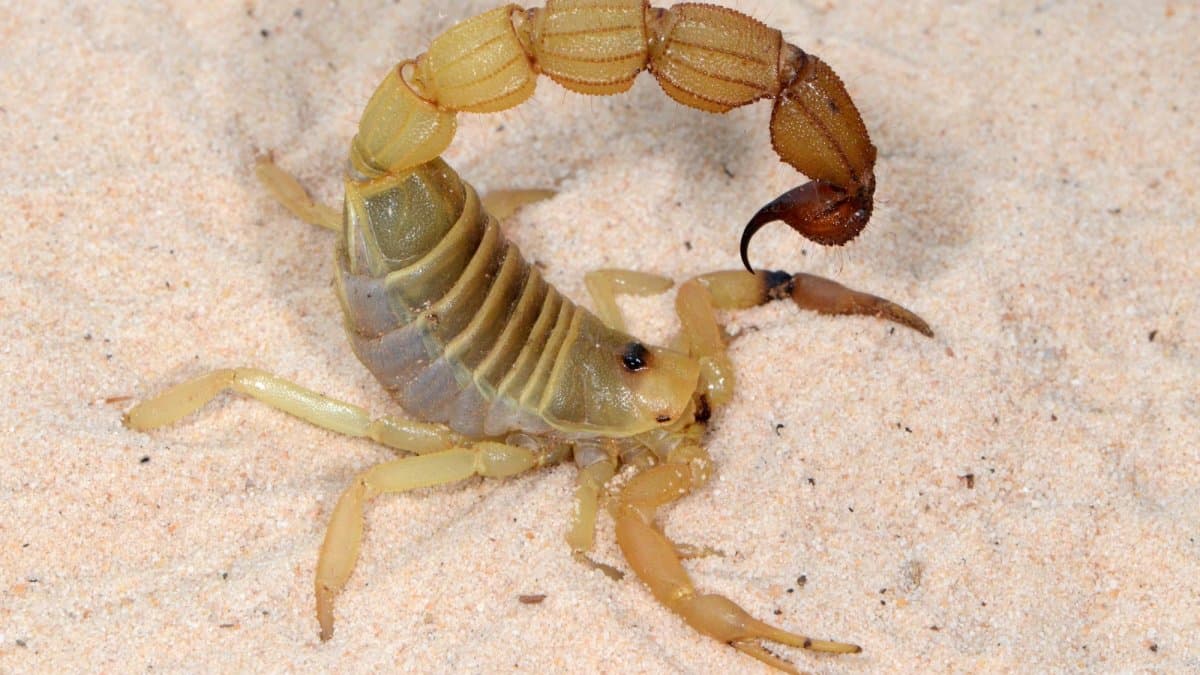
The new study uncovers how scorpions embed trace metals like zinc, manganese, and iron into their stingers and pincers, creating a sophisticated natural alloy system. By employing back‑scatter electron scanning and synchrotron X‑ray spectroscopy, the team mapped metal concentrations at micrometer resolution, revealing a consistent pattern across diverse species. This metal layering appears tuned to each weapon’s functional role—stingers receive a hard, zinc‑rich tip for penetration, while pincers gain a durable, zinc‑iron blend that balances grip strength with flexibility. Such findings challenge the traditional view that metal deposition merely hardens exoskeletal structures.
Beyond evolutionary curiosity, the research carries practical implications for materials science. Engineers have long looked to arthropods for inspiration in designing lightweight, high‑strength composites. The scorpion’s selective metal reinforcement demonstrates a biologically optimized method for enhancing durability without sacrificing agility, offering a template for next‑generation alloys and 3D‑printed components. Moreover, the clear correlation between weapon use and metal type suggests that functional demands can dictate elemental composition, a principle that could guide the development of adaptive, task‑specific materials.
The broader significance lies in establishing a methodological foundation for exploring metal incorporation across the arthropod kingdom. Bees, wasps, and spiders also exhibit trace metal deposits, but systematic, high‑resolution analyses have been scarce. By proving that metal mapping is feasible on museum specimens, the study paves the way for large‑scale comparative surveys that could uncover new biomineralization pathways. Such insights may eventually translate into novel antimicrobial surfaces, bio‑inspired robotics, or sustainable manufacturing processes that mimic nature’s efficient use of scarce metals.
Metal-reinforced scorpions evolved to kill
Comments
Want to join the conversation?
Loading comments...