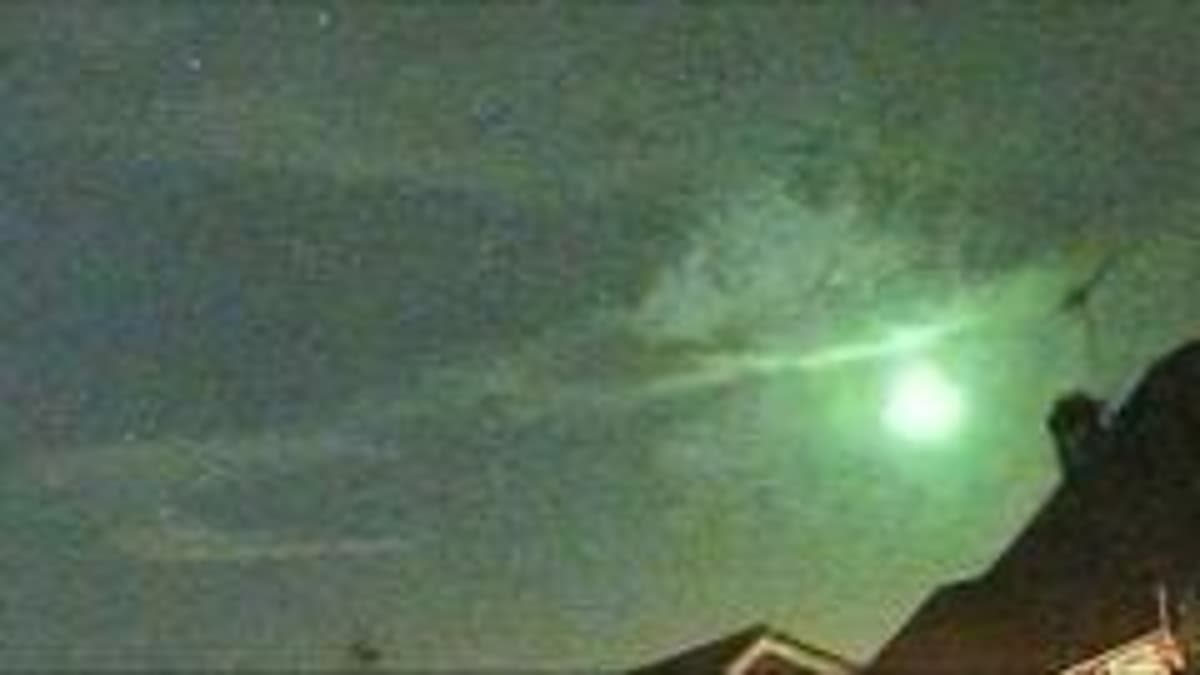
Meteor Lights up Night Sky over Kent
Why It Matters
Public meteor sightings boost interest in astronomy and can provide valuable data for scientists studying atmospheric entry dynamics. The visibility of the Perseids reinforces the UK’s growing market for night‑sky tourism and citizen‑science initiatives.
Key Takeaways
- •Meteor visible over Kent for several seconds
- •Peak Perseids shower increased fireball frequency
- •Social media amplified public awareness
- •Astronomers gathered data on trajectory
- •Event highlights UK night‑sky tourism potential
Pulse Analysis
Meteors, often called shooting stars, are fragments of space debris that burn up upon entering Earth’s atmosphere. When a sizable object survives long enough to create a bright fireball, it captures public imagination, especially during peak meteor showers like the Perseids, which peak each August. The recent Kent fireball offered a real‑time demonstration of these celestial events, reminding observers that even densely populated regions can experience spectacular sky shows. For astronomers, such occurrences are more than visual spectacles; they provide opportunities to refine models of atmospheric entry, track debris composition, and improve predictive tools for future events.
The Kent sighting also underscores a broader trend: increasing public engagement with astronomy across the United Kingdom. Social platforms quickly disseminated videos and photos, turning a local phenomenon into a national conversation. This organic outreach complements formal programs run by observatories and science museums, which are leveraging the heightened interest to promote citizen‑science projects. Amateur observers equipped with smartphones and modest telescopes can now contribute valuable data, such as timing and trajectory, to professional networks, enhancing collective understanding of meteoroid behavior.
Beyond scientific value, bright meteors have economic implications for regional tourism. Night‑sky enthusiasts travel to dark‑sky locations, and a well‑publicized fireball can boost visitor numbers to nearby towns like Canterbury and the Kentish countryside. Local businesses benefit from increased foot traffic, while authorities may consider investing in light‑pollution mitigation to preserve optimal viewing conditions. In sum, the Kent meteor not only illuminated the night but also highlighted the intersecting benefits of public curiosity, scientific research, and economic opportunity.
Meteor lights up night sky over Kent
Comments
Want to join the conversation?
Loading comments...