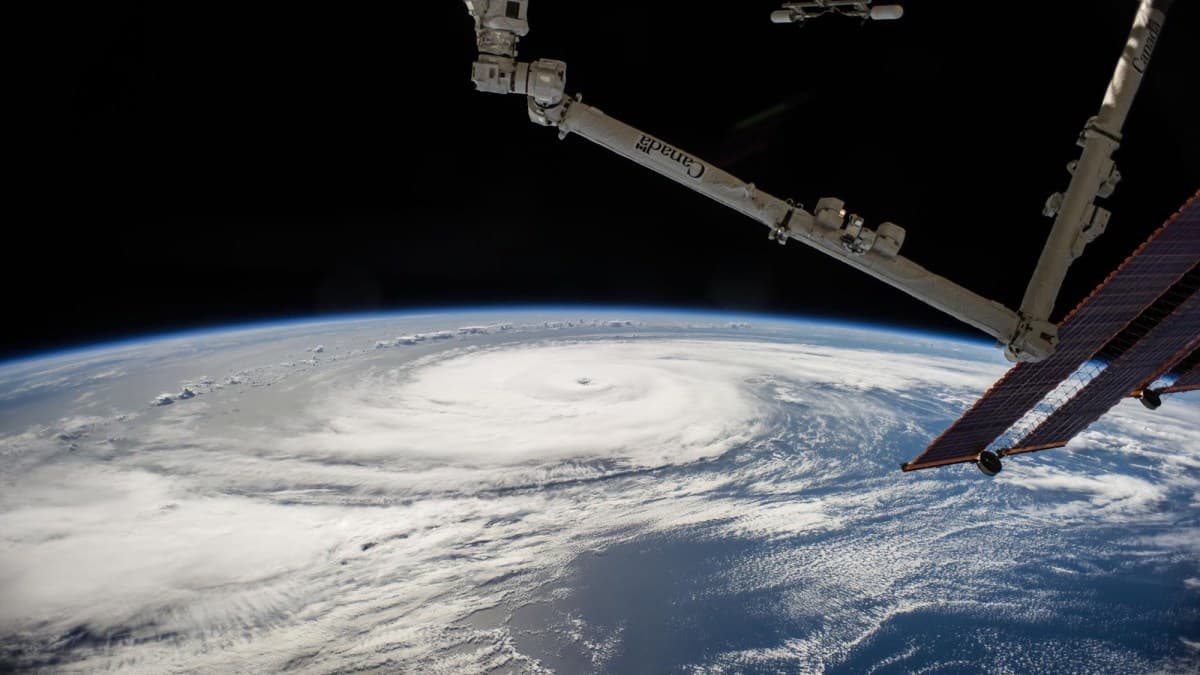
Meteorologists Predict a Fairly Chill 2026 Atlantic Hurricane Season
Why It Matters
A quieter season reduces potential property damage and insurance losses, but the lingering threat of any major storm keeps emergency planning essential for vulnerable coastal communities.
Key Takeaways
- •CSU forecasts 13 named storms, six hurricanes, only two major hurricanes.
- •El Niño expected to increase vertical wind shear, suppressing storm development.
- •Major hurricane landfall risk drops to ~32% East Coast, 35% Caribbean.
- •Residents urged to maintain preparedness despite below‑average season outlook.
Pulse Analysis
The 2026 Atlantic hurricane outlook reflects the complex interplay of the El Niño‑Southern Oscillation (ENSO). As La Niña wanes and a robust El Niño emerges, warmer Pacific waters generate stronger upper‑level westerlies that increase vertical wind shear across the tropical Atlantic. This shear disrupts the organization of tropical disturbances, leading forecasters at Colorado State University to anticipate only two Category 3‑plus storms. Historically, El Niño years have correlated with below‑average Atlantic activity, a pattern echoed in the current 13‑named‑storm projection, which sits below the 1981‑2010 average of 14.6 named storms.
For insurers, municipalities, and disaster‑response agencies, the forecast offers a tentative reprieve from the high‑cost scenarios of active seasons. Fewer major hurricanes translate into lower expected claims for property and business interruption, potentially easing premium pressures. However, the projected 32% East Coast and 35% Caribbean landfall probabilities still exceed the long‑term averages, underscoring the need for robust risk‑mitigation strategies. Emergency managers are likely to adjust resource allocation, focusing on rapid‑response capabilities rather than large‑scale evacuations, while still emphasizing community education on sheltering, supply stockpiling, and evacuation routes.
Looking ahead, the season’s outlook will be refined by NOAA’s upcoming forecasts, which integrate real‑time oceanic and atmospheric data. Climate change adds uncertainty, as warming sea‑surface temperatures could offset some suppressive effects of El Niño, potentially intensifying storms that do form. Stakeholders should monitor ENSO developments and NOAA updates, maintaining flexible preparedness plans that can adapt to a range of scenarios, from a quiet season to an unexpected major landfall. Continuous investment in resilient infrastructure and public awareness remains critical regardless of seasonal predictions.
Meteorologists predict a fairly chill 2026 Atlantic hurricane season
Comments
Want to join the conversation?
Loading comments...