Why It Matters
Seeing Earth’s shadow demystifies atmospheric optics and engages the public in everyday astronomy, reinforcing interest beyond rare eclipse events.
Key Takeaways
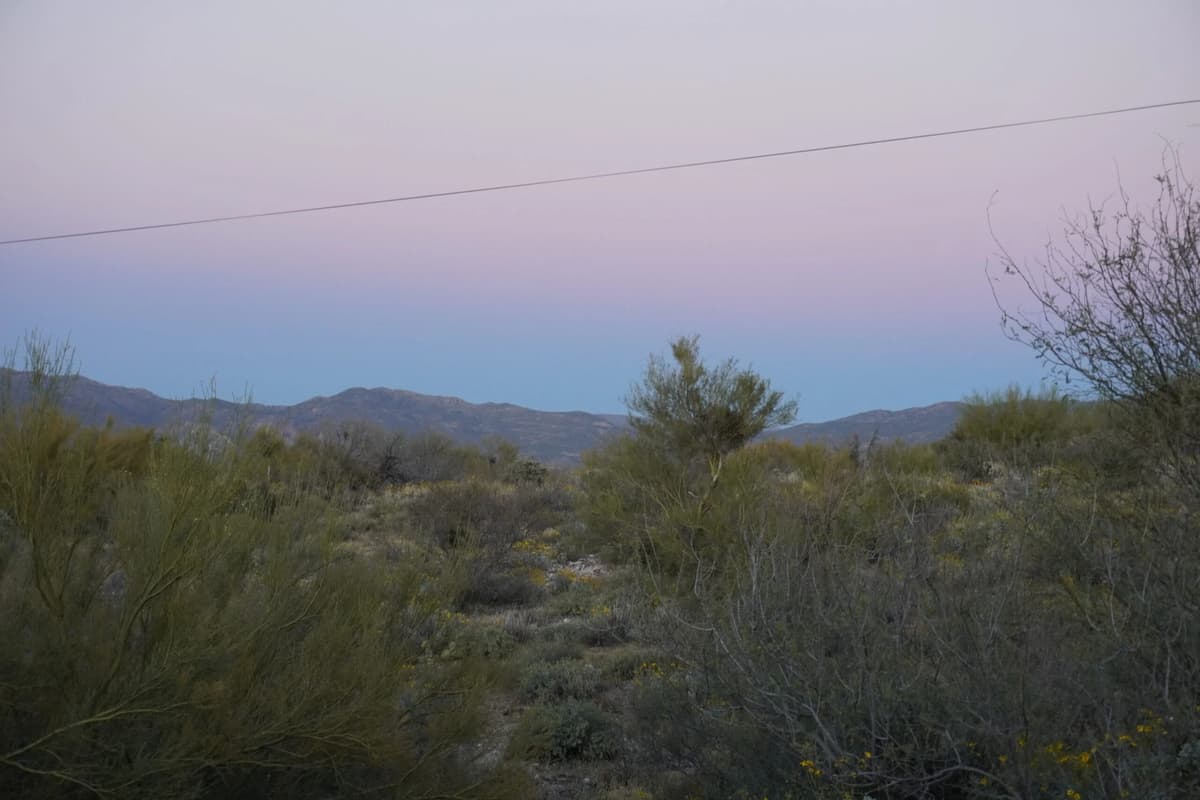
- •Earth’s shadow appears opposite sunrise/sunset, visible any clear day
- •Wait ~15 minutes after sunset for 4° shadow rise
- •Look west 45 minutes before sunrise for morning shadow
- •Belt of Venus appears as pink band above shadow
- •Clear eastern or western horizon needed; no eclipse required
Pulse Analysis
The phenomenon of Earth’s shadow, often called the "shadow of the planet," is a simple yet striking illustration of how sunlight interacts with our atmosphere. When the Sun sets, the planet blocks direct rays, casting a dark, triangular silhouette opposite the Sun’s position, known as the antisolar point. This shadow becomes discernible once the sky darkens enough for the contrast to emerge, typically about fifteen minutes after sunset, when it has risen roughly four degrees above the horizon. The same effect reverses at dawn, offering a mirrored view before sunrise.
For amateur astronomers, capturing this fleeting feature requires only a clear horizon and a bit of timing. In the evening, observers should face east and wait until the faint outline lifts enough to be distinguished from the twilight glow; a hand‑span held at arm’s length approximates the necessary four‑degree angle. In the morning, the search shifts westward, beginning up to forty‑five minutes before sunrise, when the shadow still lingers against the dimming sky. Above the dark silhouette, a delicate pink band— the belt of Venus—appears, created by reddened sunlight scattering off atmospheric particles. Both elements together provide a vivid lesson in Rayleigh scattering and the geometry of Earth‑Sun‑sky relationships.
Beyond the visual appeal, spotting Earth’s shadow serves a broader educational purpose. It transforms ordinary evenings into informal outreach opportunities, encouraging families and tourists to look up and connect with celestial mechanics without needing specialized equipment. By highlighting a daily, observable event, educators can bridge the gap between rare astronomical spectacles like total lunar eclipses and everyday skywatching, fostering sustained interest in astronomy and atmospheric science across diverse audiences.
Michael’s Miscellany: The Eclipsed Sky
0
Comments
Want to join the conversation?
Loading comments...