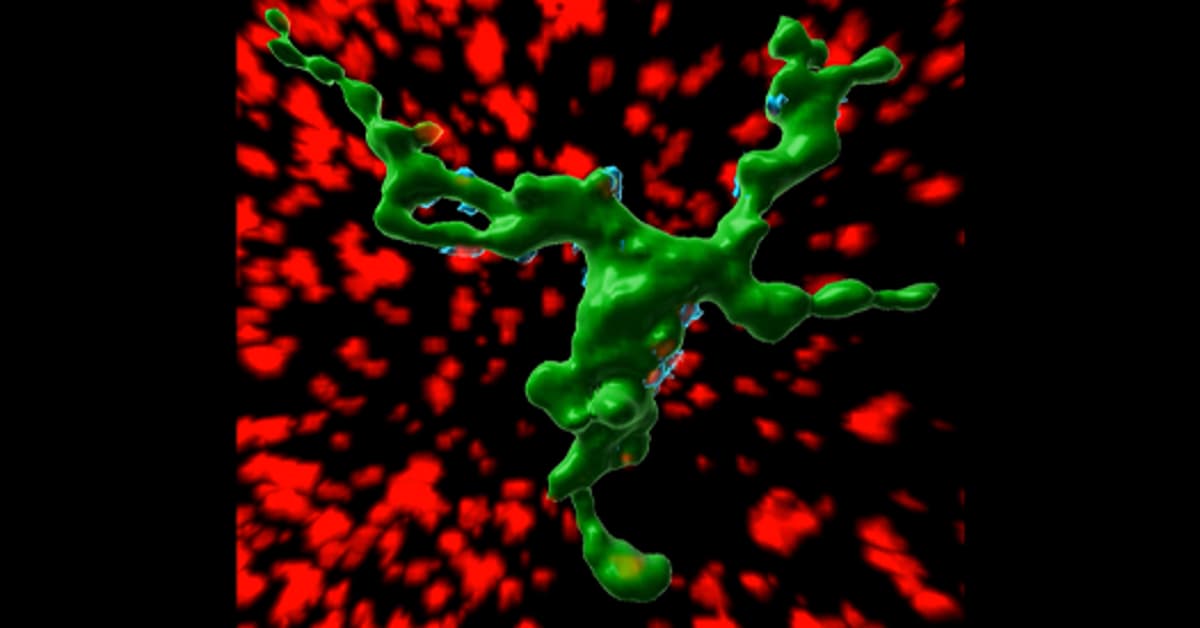
Microglia in Hypothalamus Help Kick-Start Puberty
Why It Matters
By revealing an immune‑brain pathway that controls puberty and fertility, the findings open new therapeutic avenues for reproductive disorders. The work also expands the functional repertoire of microglia beyond neurodevelopment and disease.
Key Takeaways
- •Microglia express RANK, influencing GnRH neuron activity
- •RANK knockout mice show reduced sex hormones and infertility
- •1% of CHH patients carry pathogenic RANK variants
- •Depleting microglia with PLX3397 lowers testicular weight and corpora lutea
- •Study links brain immune cells to puberty onset and fertility
Pulse Analysis
Microglia have long been recognized as the brain’s resident immune cells, tasked with clearing debris and responding to infection. Their involvement in shaping neural circuits during development is well documented, yet their influence on the endocrine system has remained largely speculative. The new study published in Science overturns that assumption by demonstrating that hypothalamic microglia directly modulate the hypothalamic‑pituitary‑gonadal (HPG) axis, the hormonal cascade that triggers puberty and governs reproductive function. Central to this interaction is the receptor‑activator of nuclear factor κB (RANK), a protein previously linked to bone and mammary‑gland development.
In mouse models, genetic deletion of RANK specifically in microglia disrupted contacts with gonadotropin‑releasing hormone (GnRH) neurons, leading to markedly lower circulating luteinizing hormone, follicle‑stimulating hormone and sex steroids. Male mice exhibited reduced testicular size and half became infertile, while females showed estradiol deficiency and failed to form corpora lutea. Parallel human data reinforced the relevance: six out of 564 patients with congenital hypogonadotropic hypogonadism carried pathogenic RANK variants, mirroring the mouse phenotype. Moreover, pharmacological ablation of microglia with PLX3397 reproduced the reproductive deficits, confirming that the cells themselves, not just RANK, are essential.
The discovery positions microglia as a novel lever for manipulating puberty timing and treating infertility. Targeting RANK signaling or microglial activity could complement existing hormone therapies for conditions such as delayed puberty, hypogonadotropic hypogonadism, or age‑related reproductive decline. At the same time, the findings caution against unintended endocrine side effects of drugs that modulate microglia, a consideration for neurodegenerative disease trials. Future research will need to map the upstream cues that activate RANK in microglia and determine whether similar mechanisms operate in humans, potentially reshaping neuroendocrine therapeutics.
Microglia in hypothalamus help kick-start puberty
Comments
Want to join the conversation?
Loading comments...