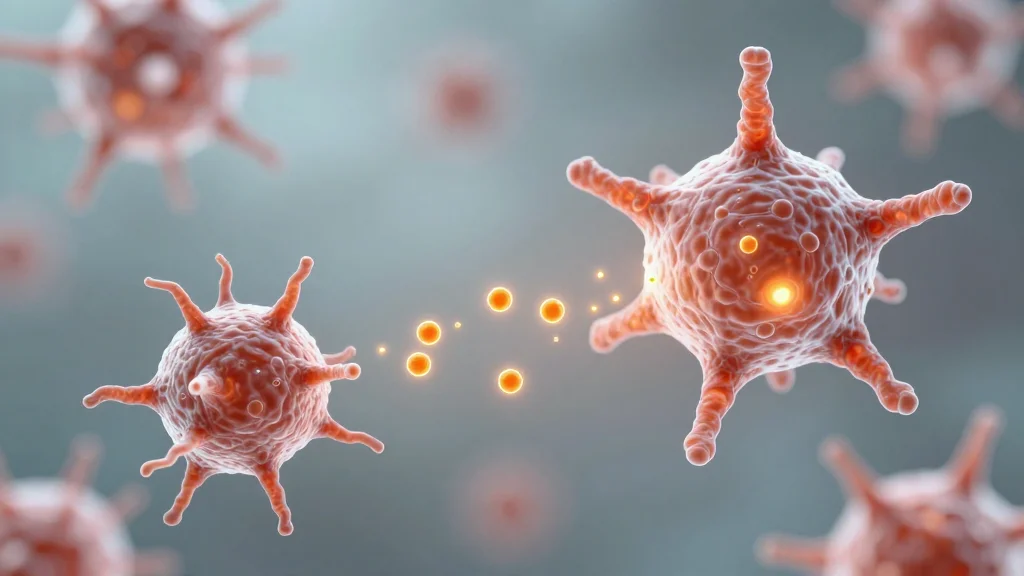
Microglial Mitochondria Transfer to Astrocytes via GPNMB-Enriched Extracellular Vesicles Alleviates Cognitive Deficits in Tauopathy Mice
Why It Matters
This finding uncovers a microglia‑astrocyte communication route that can be leveraged to counteract neurodegeneration, opening new avenues for mitochondrial‑based therapies in Alzheimer’s disease.
Key Takeaways
- •Microglia release GPNMB‑enriched EVs containing functional mitochondria to astrocytes
- •Mitochondrial transfer improves astrocytic metabolism and reduces tau‑induced cognitive deficits
- •GPNMB deficiency blocks EV secretion, worsening pathology in PS19‑CcKO mice
- •Administering GPNMB‑rich EVs rescues memory performance in tauopathy models
Pulse Analysis
Mitochondrial dysfunction is a hallmark of Alzheimer’s disease, contributing to synaptic loss, oxidative stress, and neuronal death. While neurons have been the primary focus of therapeutic strategies, recent work highlights the importance of glial cells in maintaining brain energy homeostasis. Extracellular vesicles (EVs) have emerged as natural carriers for intercellular cargo, including proteins, RNAs, and organelles, offering a promising platform for delivering functional mitochondria across the blood‑brain barrier.
In the latest Nature Neuroscience study, investigators used the PS19 tauopathy mouse model to trace a novel pathway: microglia process tau fragments, assemble a Parkin/Nix‑GPNMB complex on mitochondria, and secrete EVs packed with intact mitochondria. These GPNMB‑enriched vesicles are taken up by astrocytes, where they boost oxidative phosphorylation, enhance glutamate clearance, and dampen inflammatory signaling. Mice receiving the EVs showed restored spatial memory and reduced tau aggregation, whereas microglial GPNMB knockout eliminated the benefit and exacerbated pathology, underscoring the mechanistic relevance of GPNMB in EV biogenesis.
The therapeutic implications are significant. By harnessing a native glial‑to‑glial transfer system, researchers can bypass the challenges of direct mitochondrial transplantation and exploit the brain’s own delivery routes. Future development will need to address scaling EV production, ensuring cargo fidelity, and confirming safety in human tissue. If these hurdles are overcome, GPNMB‑targeted EV therapy could complement existing anti‑amyloid and anti‑tau approaches, offering a multi‑modal strategy to preserve neuronal health and slow cognitive decline.
Microglial mitochondria transfer to astrocytes via GPNMB-enriched extracellular vesicles alleviates cognitive deficits in tauopathy mice
Comments
Want to join the conversation?
Loading comments...