Microplastics Are Showing Up In Early Pregnancy — Here Are The Biggest Sources
Why It Matters
The findings link ubiquitous microplastic pollution to miscarriage risk, prompting public‑health attention on maternal environmental exposures. Reducing plastic intake could become a preventive strategy for reproductive health.
Key Takeaways
- •All placental samples contained microplastics, with higher levels in miscarriage cases
- •PVC made up half of detected plastics, followed by PE, PS, PP
- •Bottled water consumption linked to elevated PE microplastics in tissue
- •Switching to filtered tap water can reduce prenatal plastic exposure
Pulse Analysis
The detection of microplastics in early‑stage placental tissue marks a watershed moment for environmental health research. While previous studies have documented plastic particles in oceans, soils, and even adult blood, this is the first large‑scale analysis of chorionic villi, the structures that nourish a developing embryo. By employing pyrolysis‑gas chromatography/mass spectrometry, scientists captured a comprehensive profile of eleven polymer types, revealing that every sample—regardless of outcome—contained measurable debris. The elevated burden in miscarriage cases suggests a dose‑response relationship that warrants deeper investigation.
Understanding the pathways that deliver these particles to the womb is essential for policy makers and clinicians alike. The study pinpoints two prominent sources: bottled water, which often harbors polyethylene fragments, and seafood, a vector for a broader mix of polymers including PVC, PS, and PP. These findings dovetail with broader epidemiological data linking higher microplastic exposure to inflammation and oxidative stress, mechanisms known to compromise early pregnancy. As the demographic shift toward older maternal age continues, the compounding effect of age‑related accumulation could exacerbate miscarriage rates, adding a new layer to reproductive risk assessments.
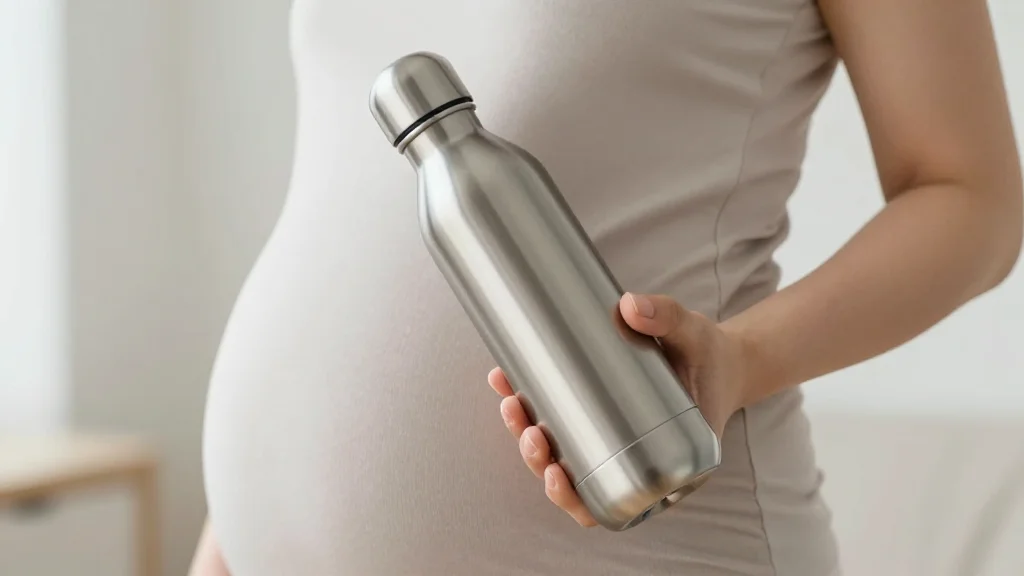
For consumers, the research translates into actionable guidance without demanding radical lifestyle changes. Switching from bottled to filtered tap water, opting for smaller fish lower on the food chain, and storing food in glass or stainless‑steel containers can collectively lower prenatal plastic loads. While causality remains to be proven, the correlation is strong enough to justify precautionary measures. Health agencies may soon incorporate microplastic exposure limits into prenatal care recommendations, echoing past moves to curb tobacco and alcohol use during pregnancy. In the meantime, informed choices empower individuals to mitigate a hidden threat to fetal development.
Microplastics Are Showing Up In Early Pregnancy — Here Are The Biggest Sources
Comments
Want to join the conversation?
Loading comments...