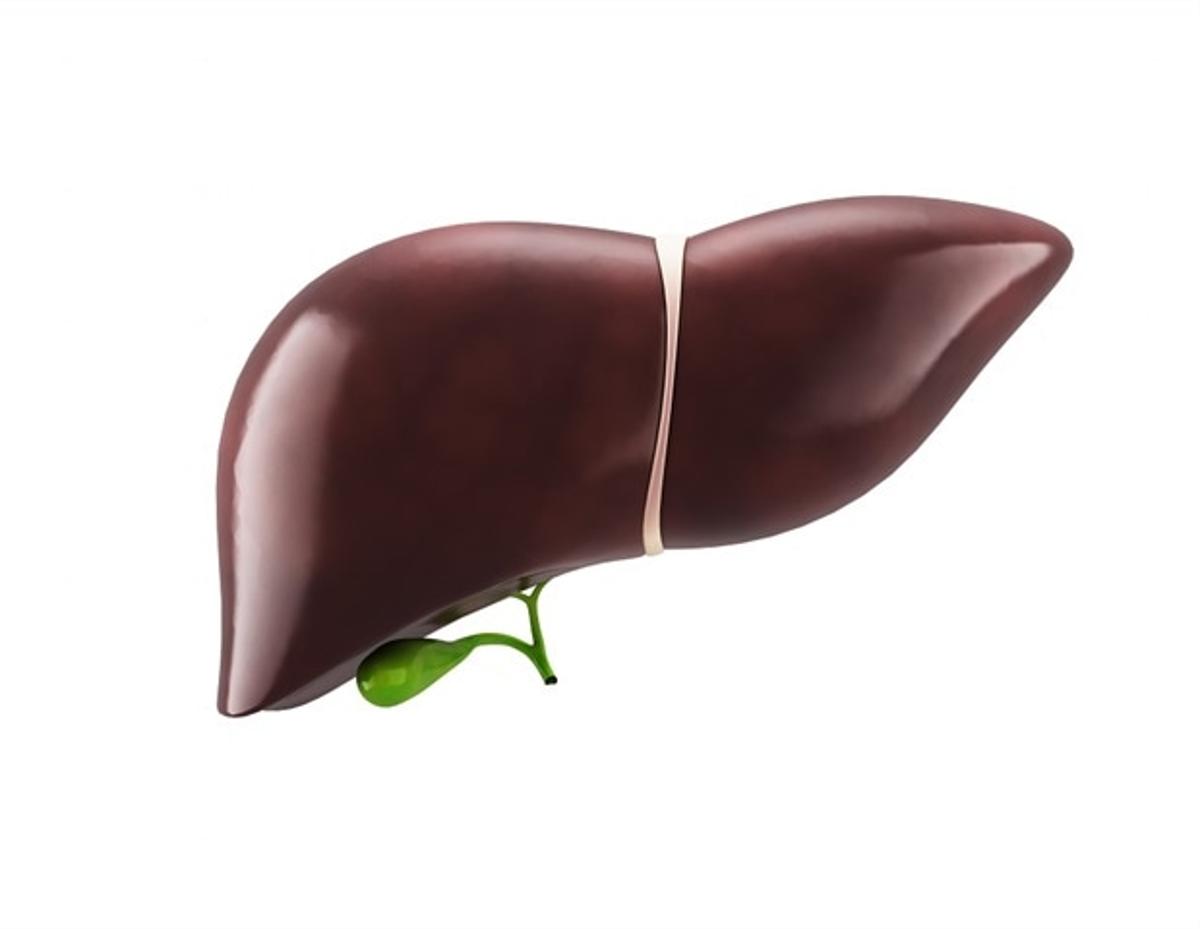
Microplastics in the Liver May Drive Global Liver Disease Rates
Why It Matters
If microplastics are confirmed as a catalyst for liver disease, pharmaceutical developers, healthcare systems and regulators will need to address a previously overlooked risk factor, reshaping prevention strategies and sustainability policies.
Key Takeaways
- •Microplastics found in human and animal livers worldwide.
- •Review links plastic exposure to oxidative stress, inflammation, fibrosis.
- •Plastic‑induced liver injury could accelerate alcohol‑related and metabolic liver disease.
- •Researchers call for interdisciplinary studies to quantify plastic impact on liver health.
- •Findings may drive regulatory scrutiny of plastic additives and waste management.
Pulse Analysis
The global burden of liver disease is climbing, now responsible for roughly one in 25 deaths worldwide. Traditional risk factors such as obesity, alcohol misuse and viral hepatitis explain much of the trend, yet they fall short of accounting for the rapid rise in prevalence. A growing body of evidence shows that micro‑ and nanoplastics—byproducts of ubiquitous plastic use—are detectable in human liver tissue, prompting scientists to explore whether these particles act as hidden contributors to hepatic dysfunction.
Mechanistically, plastic particles can generate reactive oxygen species, disrupt cellular membranes and trigger chronic inflammation—processes that mirror the pathophysiology of cirrhosis and steatohepatitis. Animal studies have demonstrated that exposure leads to fibrogenesis and altered gut‑liver axis permeability, creating pathways for pathogens and endocrine‑disrupting chemicals to reach hepatic cells. However, methodological bottlenecks, such as standardized detection techniques and dose‑response data, limit definitive conclusions. The University of Plymouth team urges interdisciplinary collaborations that blend toxicology, hepatology and environmental science to fill these gaps and produce actionable exposure metrics.
For industry and policymakers, the implications are profound. Pharmaceutical firms may need to consider plastic exposure in clinical trial designs and therapeutic targeting, while regulators could tighten standards for plastic additives and waste management to curb environmental release. Moreover, the emerging discipline of environmental hepatology offers a framework for integrating sustainability goals with public‑health outcomes, potentially guiding investments in greener materials and preventive health programs. As research progresses, the intersection of plastic pollution and liver health could become a pivotal factor in shaping future health‑care strategies and environmental legislation.
Microplastics in the liver may drive global liver disease rates
Comments
Want to join the conversation?
Loading comments...