Military Stealth Coating Sold as Cheap House Paint? China Might Do It
Why It Matters
The affordable stealth coating could democratize radar‑evasion for a wide range of platforms, challenging existing defense advantages and prompting regulatory scrutiny.
Key Takeaways
- •Chinese firm markets radar‑absorbing coating as low‑cost paint.
- •New microwave‑absorbing material enables scalable, affordable production.
- •Potential civilian uses raise concerns over stealth technology diffusion.
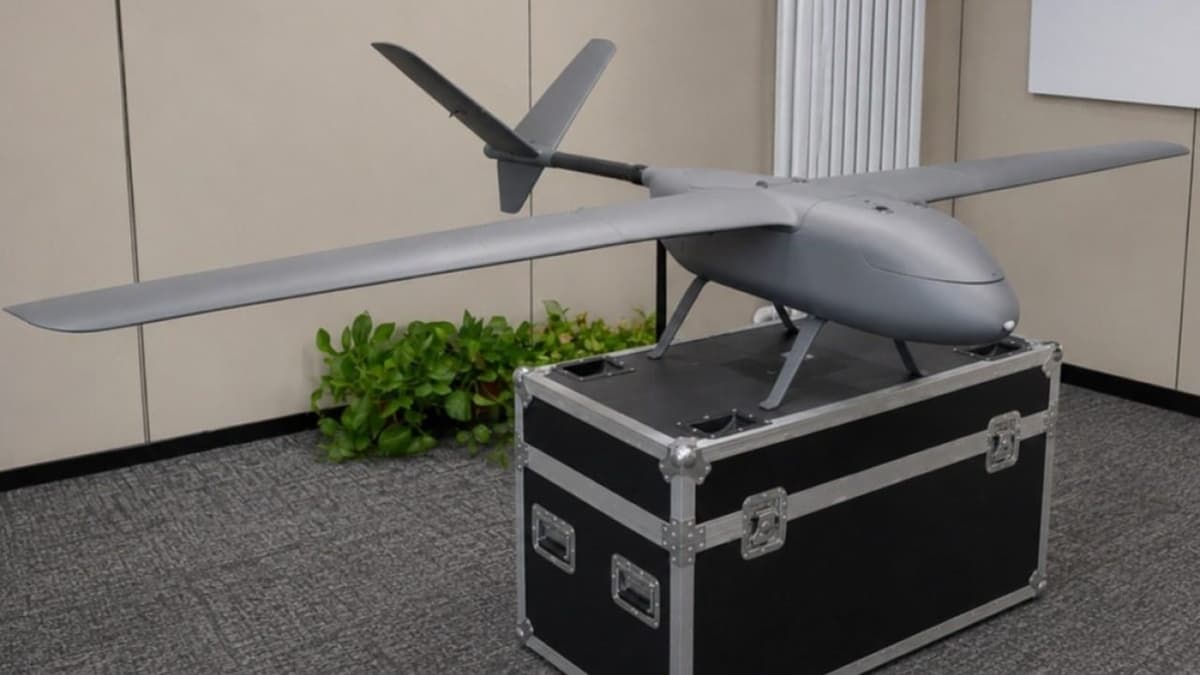
- •Lower‑cost stealth paint could alter drone and UAV survivability.
- •US defense analysts warn of security implications for commercial markets.
Pulse Analysis
Stealth technology has long been a hallmark of high‑end military hardware, from the F‑22 fighter to cruise missiles, relying on sophisticated radar‑absorbing materials (RAM) that are expensive to develop and apply. Traditional RAM often requires multilayer composites, precise thickness control, and costly production lines, limiting its use to a handful of government‑funded programs. In recent years, researchers have pursued lighter, more adaptable solutions, but price and scalability have remained barriers. The emergence of a paint‑like coating from a Shenzhen‑based firm signals a potential shift from niche to mass‑market stealth.
The new coating is built around a microwave‑absorbing polymer that can be sprayed or rolled onto surfaces, similar to conventional house paint. By embedding engineered carbon‑based nanostructures, the material attenuates radar frequencies in the X‑band and higher, achieving absorption levels comparable to legacy RAM while cutting material costs by an estimated 70 %. Because the formulation can be mixed in standard paint factories, manufacturers can produce it in bulk, opening the door for integration on commercial drones, delivery robots, and even civilian structures that wish to reduce radar signatures.
From a strategic standpoint, the democratization of stealth raises both opportunities and alarms. U.S. defense planners warn that inexpensive RAM could enable adversaries to field low‑cost, radar‑evading UAVs, complicating detection and air‑space management. At the same time, civilian sectors such as telecommunications and privacy‑focused architecture may find legitimate applications for radar‑absorbing finishes. Policymakers will need to balance export‑control regimes with innovation incentives, while industry observers watch for a possible new market segment that blends defense‑grade performance with consumer‑grade pricing.
Military stealth coating sold as cheap house paint? China might do it
Comments
Want to join the conversation?
Loading comments...