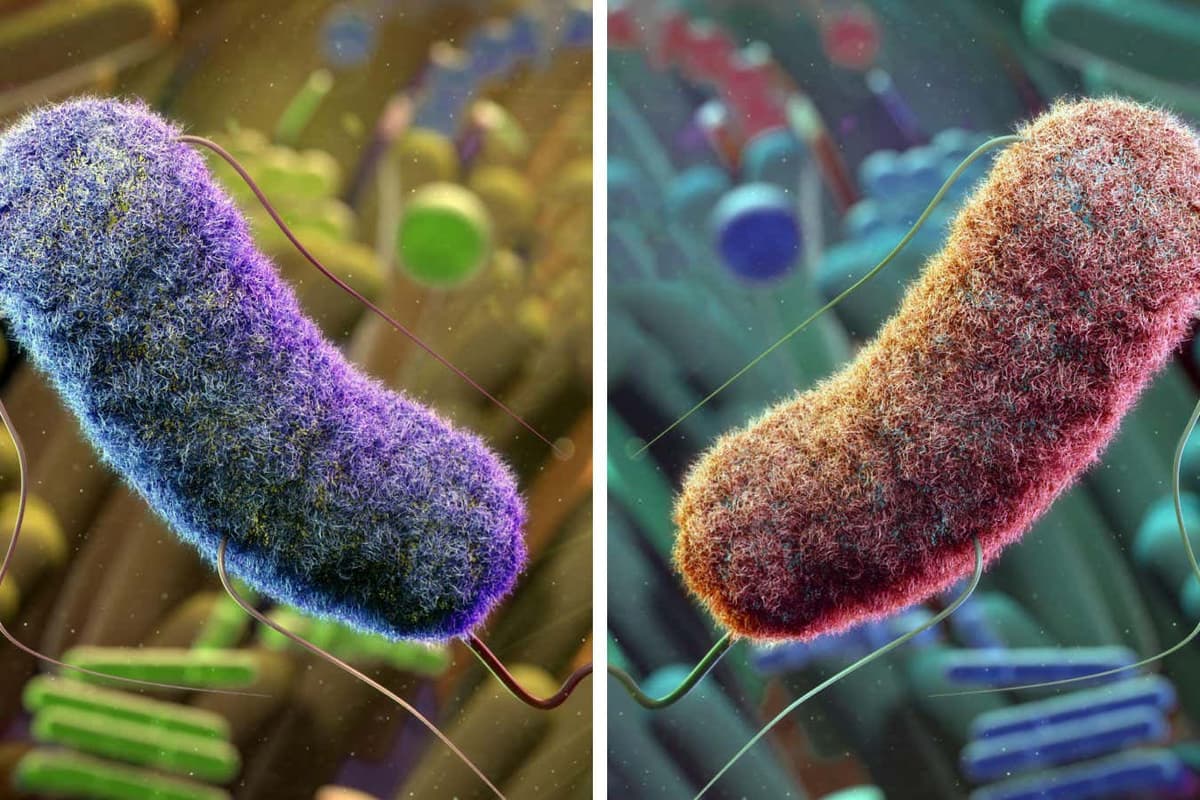
Mirror Life: Scientists Clash over Threat of Lab-Engineered Bacteria
Why It Matters
If mirror‑life microbes can bypass the predicted constraints, they could become a novel class of undetectable pathogens, challenging existing bio‑security regimes. Policymakers must address these uncertainties before large‑scale research funding proceeds.
Key Takeaways
- •Modeling predicts mirror bacteria need synthetic “mirror food” to survive.
- •Critics argue lab constraints may be bypassed, creating uncontrolled pathogens.
- •Debate highlights gaps in current bio‑security frameworks for synthetic organisms.
- •Potential for mirror life to evade existing detection methods.
- •Funding agencies urged to tighten oversight of chirality‑based engineering.
Pulse Analysis
Synthetic biology’s latest frontier involves constructing organisms from enantiomers—mirror‑image versions of the amino acids and sugars that make up natural life. Because these chiral molecules are not recognized by existing metabolic pathways, the resulting microbes, often dubbed “mirror life,” are theorized to be biologically isolated, unable to interact with conventional ecosystems. This premise has attracted interest for its potential to create biocontainment by design, offering a built‑in safety valve for high‑risk applications such as drug synthesis or environmental remediation.
The recent modelling paper argues that mirror bacteria would require a continuous supply of engineered nutrients, effectively rendering them dependent on laboratory conditions. Yet a vocal minority of experts warns that evolutionary pressure could drive these organisms to develop alternative nutrient acquisition strategies, or that accidental cross‑contamination with conventional microbes might supply the missing chiral building blocks. Such scenarios could transform a theoretically contained system into a stealthy pathogen, capable of evading standard detection methods that rely on natural molecular signatures.
Regulators and funding bodies now face a dilemma: how to foster groundbreaking research while preventing a bio‑security blind spot. Existing frameworks focus on genetic sequence containment and physical lab security, but they lack provisions for chirality‑based threats. Proposals include mandatory risk assessments for any work involving non‑canonical chiral chemistry, dedicated monitoring tools for mirror‑specific metabolites, and international guidelines to harmonize oversight. As the field matures, balancing innovation with precaution will be essential to avoid unintended consequences of creating life that looks familiar but behaves fundamentally differently.
Mirror life: Scientists clash over threat of lab-engineered bacteria
Comments
Want to join the conversation?
Loading comments...