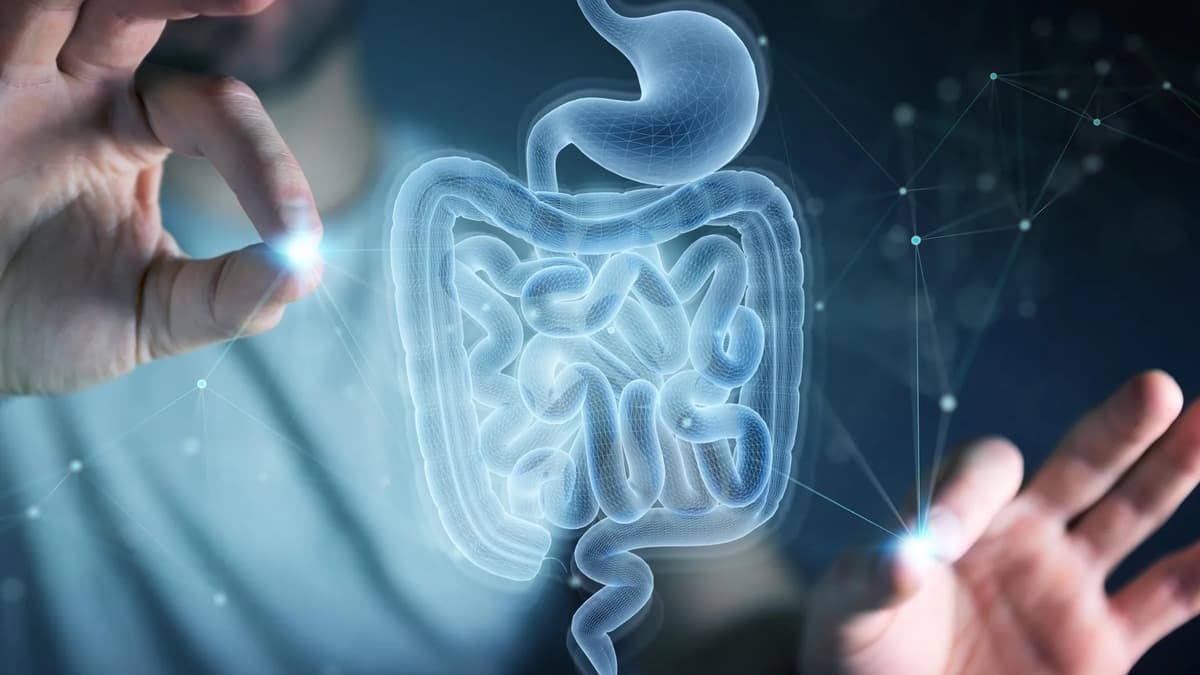
MIT Scientists Discover Amino Acid that Helps the Gut Heal Itself
Why It Matters
If translated to patients, cysteine supplementation could reduce chemotherapy‑induced mucositis, improve recovery times, and lower associated healthcare costs.
Key Takeaways
- •Cysteine uniquely stimulates intestinal stem cell regeneration in mice
- •CD8 T cells produce IL‑22 after cysteine‑induced activation
- •Cysteine‑rich diets accelerated recovery from radiation‑induced gut injury
- •Potential dietary supplement to lessen chemotherapy side effects
- •Researchers plan to test cysteine’s effect on other tissues
Pulse Analysis
The MIT team’s latest paper in *Nature* pinpoints cysteine as the first single nutrient that directly fuels intestinal stem‑cell renewal. By feeding mice diets enriched with each of twenty amino acids, the researchers observed that only cysteine triggered a cascade: intestinal cells convert it to CoA, which activates CD8 T cells to secrete the repair cytokine IL‑22. This immune‑mediated pathway accelerates the proliferation of stem and progenitor cells in the small intestine, offering a mechanistic link between a dietary amino acid and tissue regeneration that previous fasting‑or‑calorie‑restriction studies could not explain.
The finding carries immediate relevance for oncology, where radiation and chemotherapy routinely damage the gut lining, leading to mucositis, infection risk, and treatment interruptions. A cysteine‑rich diet or supplement could provide a low‑cost, non‑synthetic adjunct to protect patients, potentially shortening hospital stays and lowering supportive‑care expenses. Cysteine is abundant in meat, dairy, legumes and nuts, and the body can synthesize it from methionine, suggesting a favorable safety profile. Clinical trials will need to confirm dosage, timing, and whether oral supplementation achieves the same tissue concentrations observed in mice.
Beyond the gastrointestinal tract, MIT scientists are already probing cysteine’s ability to stimulate regeneration in hair follicles and other organs, hinting at a broader class of amino‑acid‑driven reparative therapies. Translating the mouse data to humans will require careful pharmacokinetic studies and validation of the CD8 T‑cell/IL‑22 axis in patients. If successful, nutraceutical companies could market targeted cysteine formulations, while hospitals might integrate dietary protocols into standard cancer‑care pathways. The research underscores a growing trend: leveraging precise nutrition to modulate immunity and accelerate healing.
MIT scientists discover amino acid that helps the gut heal itself
Comments
Want to join the conversation?
Loading comments...